
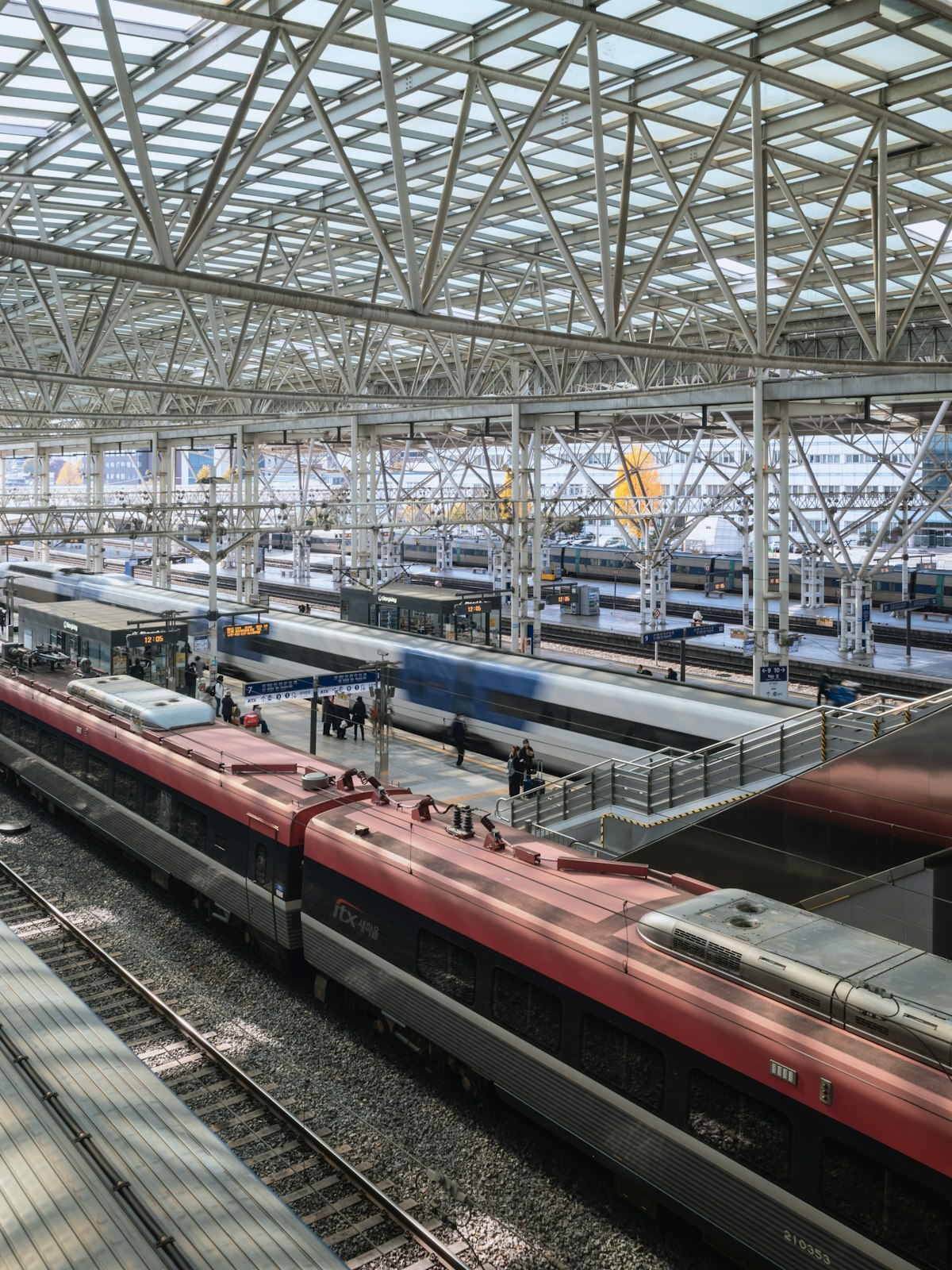

Arriving in Seoul is an exhilarating experience. The city seamlessly blends futuristic skyscrapers with ancient palaces, offering endless neighborhoods to explore. To unlock everything this dynamic metropolis has to offer, you must master its lifeblood: the Seoul Metropolitan Subway. Consistently ranked as one of the best transit systems in the world, the Seoul subway is incredibly clean, punctual, safe, and highly affordable.
However, with over 20 intersecting lines and hundreds of stations, the massive color-coded map can look intimidating to first-time visitors. Don’t let the scale overwhelm you. Once you understand the basics of transit cards, navigation apps, and platform etiquette, you will find that riding the Seoul metro is surprisingly intuitive and stress-free. This comprehensive guide will walk you through everything you need to know to ride like a local.
- Get a Transit Card: Buy a T-money card for flexibility or a Climate Card for unlimited rides during your stay.
- Download Local Apps: Avoid Google Maps. Use Naver Map, KakaoMap, or Subway Korea for accurate routing.
- Follow the Colors: Each subway line is color-coded, making transfers easy to navigate.
- Observe Etiquette: Avoid sitting in priority seats, keep your voice down, and stand on the right side of escalators.
Choosing the Right Ticket: T-money vs. Climate Card

Before you can pass through the turnstiles, you need a way to pay for your fare. While you can purchase single-use tickets at station kiosks, doing so for every trip is time-consuming and inconvenient. Instead, tourists should opt for a reloadable transit card. The two best options for foreign visitors are the classic T-money card and the newly introduced Climate Card.
1. The T-Money Card (Standard Option)
The T-money card is South Korea’s standard rechargeable smart card. It costs between 2,500 KRW and 4,000 KRW to purchase the physical card (non-refundable), which you then load with cash. T-money offers discounted fares compared to single tickets and allows free transfers between the subway and local buses within 30 minutes. Best of all, it never expires, and you can use it in other major Korean cities like Busan and Jeju.
2. The Climate Card (Unlimited Tourist Pass)
Introduced recently by the Seoul Metropolitan Government, the Climate Card is an incredible option for high-frequency travelers. It offers unlimited rides on Seoul’s subway lines and public buses for a fixed duration. Tourists can purchase physical cards at tourist information centers or convenience stores near subway stations, then activate them for 1, 2, 3, 5, or 7 days. If you plan on taking the subway more than three times a day, this card will save you a significant amount of money.
| Card Type | Best For | Approximate Cost | Where to Buy |
|---|---|---|---|
| T-money Card | Travelers staying for over a week, visiting multiple cities, or taking fewer than 3 trips per day. | 3,000 KRW (card only) + load with cash as needed. Base fare is 1,400 KRW. | Convenience stores, subway station vending machines. |
| Climate Card (Tourist) | Active tourists staying in Seoul for 1 to 7 days who plan to ride transit multiple times daily. | 3,000 KRW (card only) + 5,000 KRW (1-day) up to 20,000 KRW (7-day). | Seoul Tourism Plazas, convenience stores, select station offices. |
| Single-Use Ticket | One-off trips for travelers who forgot their transit cards. | 1,500 KRW base fare + 500 KRW refundable card deposit. | Ticket vending machines inside any subway station. |
Step-by-Step Guide to Riding the Seoul Subway
Navigating the physical stations is highly systematic. Follow these simple steps to ensure a smooth journey from entry to exit.
Step 1: Locate the Station and Line
Subway entrances are marked with prominent yellow poles displaying the station name in Korean and English, along with the specific line numbers passing through that station. Each line has a distinct color—for example, Line 1 is dark blue, Line 2 is green, and Line 9 is gold. Simply follow the color-coded signs pointing down into the station.
Step 2: Tap Through the Turnstiles
Approach the turnstiles and tap your T-money or Climate Card on the sensor marked with a card icon. You will hear a beep, and the screen will display your charged fare and remaining balance (for T-money) or the card expiration date (for Climate Card). If you are using a single-use ticket, insert the ticket into the slot instead of tapping.
Step 3: Choose the Correct Platform Direction
This is where beginners sometimes make mistakes. Many stations have separate platforms for opposing directions, and once you pass through the turnstiles, you might not be able to cross over to the other side without tapping out. Look at the signs above the stairs. They will list the next station in that direction, as well as the major terminal stations. Double-check your navigation app to see which direction you need before walking down to the platform.
Step 4: Boarding and Transferring
When the train arrives, stand behind the yellow safety line and wait for passengers to exit before boarding. Inside the train, next-station announcements are broadcast in Korean, English, Japanese, and Mandarin. If you need to transfer to another line, step off the train and follow the highly visible, color-coded arrows painted on the floors and walls. You do not need to tap out of the station to make a standard transfer.
Step 5: Exiting the Station
When you arrive at your destination, tap your card on the exit turnstile. Once you are past the gates, look at the large neighborhood maps and overhead signs to find the correct exit. Seoul subway exits are numbered (Exit 1, Exit 2, etc.). Finding the correct exit is crucial, as exiting from the wrong side of a major intersection can result in a long walk back across busy streets.
Essential Apps for Navigating Seoul
Due to local security regulations, Google Maps does not work well for transit navigation in South Korea. It often provides outdated schedules or inaccurate walking directions. To navigate like a pro, download these free English-friendly apps before you arrive:
Naver Map or KakaoMap: These are the two leading map applications in Korea. Both offer precise, real-time subway schedules, transfer recommendations, and walking paths. They will even tell you which train car door to stand near for the fastest transfer at your next station.
Subway Korea: This dedicated subway app features a clean, interactive map of the entire network. Tap on your departure and arrival stations, and it will give you the exact travel time, transfer points, and boarding schedules.
Pro Tips for Tourists
- Avoid Priority Seats: At both ends of every subway carriage, there are highly designated seats reserved for the elderly, pregnant women, and people with disabilities. Locals will leave these seats empty even when the train is incredibly crowded. It is polite to do the same.
- Keep to the Right on Escalators: If you prefer to stand on the escalator, stay on the right side. The left side is strictly reserved for people who want to walk or run up.
- Keep Your Voice Down: Koreans view the subway as a shared, peaceful space. Avoid speaking loudly with travel companions or taking phone calls on the train. Doing so will draw disapproving looks.
- Use the 10-Minute Rule: If you mistakenly tap into the wrong direction platform, you can tap out and tap back in on the correct side within 10 minutes without paying an extra fare (applicable to most stations when using T-money or Climate Cards).
- Refund Your Single-Use Deposit: If you use a single-use ticket, remember to insert it into the “Deposit Refund Device” near the ticket gates after exiting to get your 500 KRW deposit back.
- Check for Restrooms: Unlike many Western subway systems, Seoul’s stations feature exceptionally clean public restrooms. Some are located inside the ticket gates, while others are outside, so check the signs before tapping out.
Frequently Asked Questions
Can I use my international credit card directly at the subway turnstile?
No, open-loop contactless payments (such as foreign-issued Visa, Mastercard, or Apple Pay) are not currently accepted at Seoul subway turnstiles. You must buy a physical T-money card or Climate Card and load it with cash, or buy a single-use ticket using cash at the station kiosks.
Do I need cash to reload my T-money card?
Yes. Even though South Korea is an almost cashless society, the machines used to reload transit cards inside subway stations only accept Korean Won (cash). Many convenience stores also require cash to reload T-money cards. Always carry some physical bills (1,000, 5,000, and 10,000 Won notes) for this purpose.
Is the Seoul subway accessible for travelers with heavy luggage or strollers?
Yes, the Seoul subway system is highly accessible. Almost all stations are equipped with elevators, escalators, and wide wheelchair-accessible turnstiles. Look for the yellow elevator symbols on the station floor maps to avoid carrying heavy suitcases up long flights of stairs.