
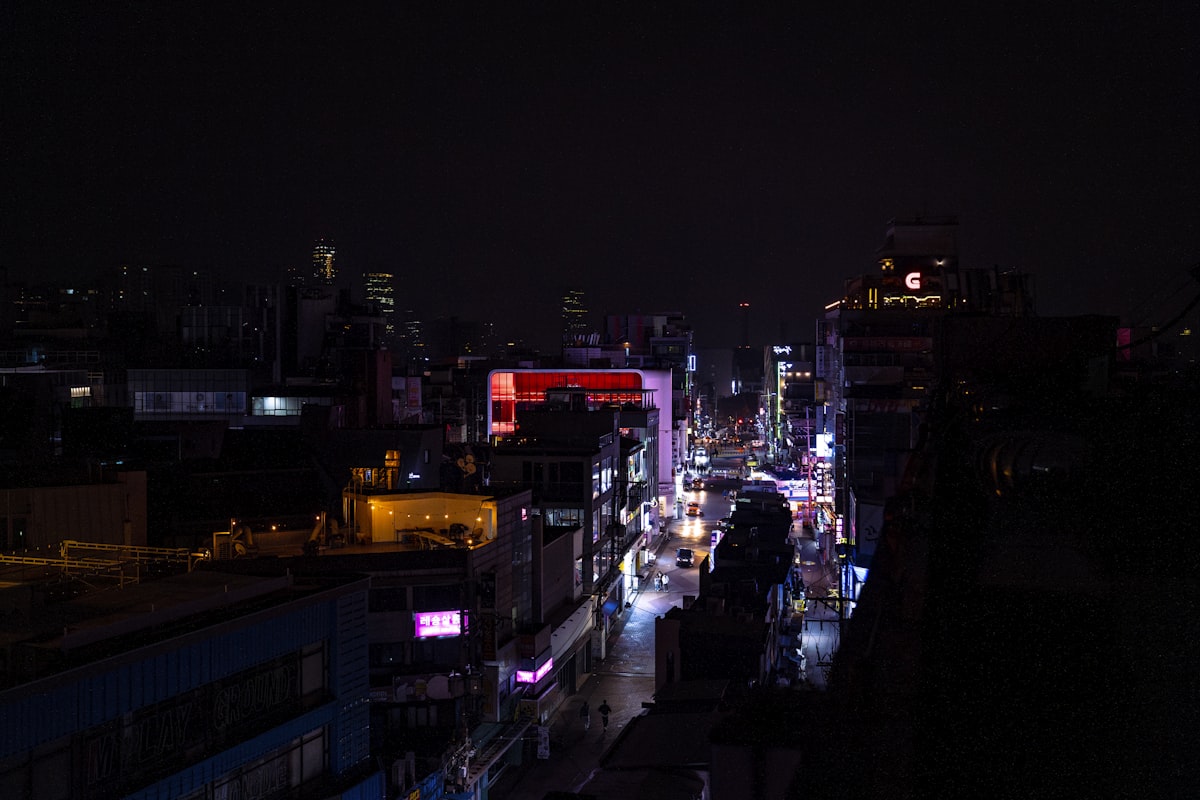

Seoul is a captivating metropolis where futuristic skyscrapers stand side-by-side with centuries-old palaces. However, after a few days spent navigating bustling district streets, shopping in Myeongdong, and exploring vibrant night markets, many foreign visitors crave a change of pace. Fortunately, South Korea’s world-class transit system makes escaping the urban core remarkably easy. Within an hour or two of central Seoul, you can find yourself surrounded by tranquil river scenes or standing high atop rugged granite mountain peaks.
Two of the most frequently recommended day excursions from the capital represent entirely different worlds: Nami Island (Namiseom), world-famous for its picturesque tree-lined paths and romantic Korean drama filming locations, and Bukhansan National Park, renowned for its challenging alpine trails, historic fortress walls, and panoramic skyline views. Because most foreign tourists have limited time in their Korea itinerary, choosing between these two top destinations is a common dilemma. This comprehensive guide compares accessibility, physical effort, costs, and overall experiences to help you decide which day trip is truly worth your precious vacation time.
- Choose Nami Island if: You want a relaxed, scenic walk with zero steep climbing, love photogenic foliage, are traveling with children or seniors, or want to combine your trip with nearby attractions like Petite France or the Rail Bike.
- Choose Bukhansan if: You enjoy outdoor adventure, want a high-reward physical hike, seek panoramic views of the Seoul cityscape from high mountain peaks, and prefer a cheap, low-cost outing directly connected to the subway line.
- Time Needed: Nami Island takes a full day (6–8 hours including travel), while a Bukhansan summit hike requires a half-to-full day (4–6 hours including transit).
Overview of Nami Island: Serenity, Scenery, and K-Drama Magic

Located in Chuncheon, Gangwon-do—roughly 63 kilometers east of Seoul—Nami Island is a half-moon-shaped river island formed as a result of the construction of Cheongpyeong Dam in 1944. Declared a self-styled micro-nation known as the ‘Naminara Republic,’ the island has its own fake visa stamps, passport office, and unique creative cultural branding. Nami Island rocketed to international fame in the early 2000s as the primary filming site for the classic Korean drama Winter Sonata, which catalyzed the global Korean Wave (Hallyu).
Today, Nami Island is celebrated primarily for its fairytale tree avenues. Visitors stroll beneath towering Metasequoia trees, grand Ginkgo trees that turn vivid yellow in autumn, and fragrant pine trees. The island is entirely pedestrianized, keeping it peaceful and safe for casual strolling. Visitors can enter the island either via a brief 5-minute scenic ferry ride across the Han River or via an adrenaline-pumping zip-wire cable from the mainland tower directly onto the island shores.
Beyond natural walks, Nami Island features small art galleries, craft workshops, seasonal ice sculptures in winter, riverside picnic areas, and roaming wildlife including ostriches, peacocks, and squirrels. Because it sits in the Gapyeong travel cluster, tourists often bundle Nami Island with the Garden of Morning Calm, Petite France, or the Gapyeong Rail Park for a full day out of the city.
Overview of Bukhansan National Park: Peak Adventure Above the Capital
Holding a Guinness World Record for the most visited national park per unit area, Bukhansan National Park covers nearly 80 square kilometers directly along the northern edge of Seoul. Its name translates to ‘mountains north of the Han River.’ The park’s dramatic skyline is dominated by colossal granite peaks, ancient pine forests, crystal-clear mountain streams, and historic Buddhist temples hidden within quiet valleys.
The ultimate objective for most travelers heading to Bukhansan is reaching Baegundae Peak, which stands as Seoul’s highest point at 836.5 meters above sea level. The trail to Baegundae leads hikers through ancient mountain gates belonging to Bukhansanseong, a 12-kilometer fortress wall originally constructed in 1711 to safeguard the Joseon Dynasty capital against foreign invasions. The final ascent to the summit involves gripping steel cables secured into smooth granite rock faces, culminating at a flat granite peak where a South Korean flag flies proudly against sweeping 360-degree views of Seoul’s modern urban expanse.
Unlike commercial theme parks or resort islands, Bukhansan offers an authentic look into South Korea’s vibrant hiking culture. On any given weekend, thousands of local Korean hikers clad in full colorful outdoor gear tackle the slopes before enjoying traditional pajeon (scallion pancakes) and makgeolli (rice wine) at mountain-base restaurants.
Head-to-Head Comparison: Nami Island vs. Bukhansan
1. Transportation and Accessibility
Getting to Bukhansan is exceptionally simple and inexpensive. You can reach major trailheads directly using the Seoul Metro system (such as Gupabal Station on Line 3 or Bukhansan Ui Station on the Ui-Sinseol LRT Line) followed by a short local bus ride or taxi. Transit takes roughly 40 to 60 minutes from downtown areas like Myeongdong or Hongdae, and you can pay for the entire journey using a standard T-money transit card.
Reaching Nami Island requires significantly more planning and time. You must either board the ITX-Cheongchun high-speed train from Yongsan or Cheongnyangni Station to Gapyeong Station, take the local Kyungchun subway line, or join a pre-booked shuttle tour bus. After reaching Gapyeong Station, travelers must take a local bus or short taxi to the ferry wharf, followed by the ferry ride itself. Total one-way travel time routinely exceeds 1.5 to 2 hours.
2. Physical Effort and Difficulty
Nami Island requires virtually no physical exertion. The terrain is flat, sandy, and shaded, making it completely accessible for strollers, wheelchairs, and elderly visitors. Walking around the entire perimeter of the island takes around 2 hours at a leisurely pace, with plenty of benches, cafes, and ice cream stalls along the way.
Bukhansan, by contrast, demands reasonable physical fitness. The standard round-trip hike to Baegundae Peak covers approximately 7.5 kilometers with an elevation gain of nearly 700 meters. While trails feature wooden stairs and wire handrails on steep sections, you will encounter uneven boulder staircases and exposed rock climbs that will test your knees and cardiovascular endurance.
3. Atmosphere, Scenery, and Vibe
Nami Island is curated, romantic, and highly commercialized. It shines during specific seasons: late spring with lush green foliage, autumn (late October to early November) when yellow ginkgo leaves carpet the ground, and winter when snow coats the pine paths. However, because it is extremely famous, it can feel overcrowded with tour groups during mid-day peak hours.
Bukhansan offers raw, dramatic nature paired with rich historical monuments. The sheer contrast between ancient granite boulders and distant views of modern skyscrapers is awe-inspiring. While trails are popular on weekends, the open mountain environment offers a feeling of genuine escape from the city hustle.
| Feature | Nami Island (Namiseom) | Bukhansan National Park |
|---|---|---|
| Primary Appeal | Scenic tree avenues, K-drama spots, family walks | Alpine hiking, peak city views, historic fortress |
| One-Way Transit Time | 1.5 to 2 hours (Train/Bus + Ferry) | 45 to 60 minutes (Metro + Bus) |
| Difficulty Level | Very Easy (Flat, wheel-friendly terrain) | Moderate to Strenuous (Steep rock trails) |
| Average Cost | 16,000 KRW (Entry + Ferry) + Transit costs | Free entry (Standard metro fare only) |
| Best Travel Seasons | Autumn foliage & Spring cherry blossoms | Spring and Autumn (Avoid hot humid summer) |
The Verdict: Which Day Trip Should You Pick?
If your trip focus centers on photography, relaxed sightseeing, K-culture nostalgia, or family travel, Nami Island is unquestionably worth your time. Combining Nami Island with other nearby tourist spots like the Petite France cultural village or the Gapyeong Rail Bike creates a classic, full-day sightseeing itinerary that offers great variety without physical strain.
On the other hand, if you love hiking, outdoors, active adventures, or panoramic city photography, Bukhansan National Park provides an unforgettable experience that few foreign tourists expect to find so close to a major global metropolis. Scaling Baegundae Peak delivers an exhilarating sense of accomplishment that simple park walks simply cannot match.
Pro Tips for Tourists
- Nami Island Train Tickets: Book your ITX-Cheongchun train tickets via the official Korail website up to 30 days in advance. Weekend morning trains sell out rapidly, forcing travelers onto slower local commuter trains.
- Bukhansan Footwear: Do not attempt hiking Bukhansan in casual sneakers or flat slip-on shoes. The granite rocks can be slippery; sturdy trail runners or hiking boots with strong grip are essential.
- Early Departures Beat Crowds: For both destinations, aim to depart central Seoul by 7:30 AM. Nami Island gets crowded with tour buses by 10:30 AM, while Bukhansan summit cables experience queues on busy weekends.
- Combine Nami Smartly: Use the Gapyeong City Tour Bus ticket (around 8,000 KRW for a hop-on hop-off day pass) to efficiently jump between Nami Island, Petite France, and the Garden of Morning Calm.
- Pack Water & Snacks for Bukhansan: There are no concession stands or vending machines along the trail once you pass the initial trailhead temples. Carry at least 1.5 liters of water per person and high-energy snacks.
Frequently Asked Questions
Can I visit both Nami Island and Bukhansan on the same day?
It is strongly recommended not to combine both into a single day. Nami Island is located over 60 kilometers east of Seoul, while Bukhansan requires several hours of strenuous physical hiking in the north. Attempting both would leave you exhausted and spending most of your day stuck in transit. Choose one destination per day to properly enjoy the experience.
Do I need to hire a guide or join a tour group for Bukhansan?
No, hiring a guide is not necessary for fit, independent travelers. The main trails leading to Baegundae Peak (such as the Bukhansanseong course) are well-marked with bilingual signage in English and Korean. Furthermore, during daytime hours, there are always plenty of local hikers on the trail whom you can follow if you feel uncertain about directions.
What is the best month of the year to visit Nami Island?
The absolute best time to visit Nami Island is during peak autumn foliage, which typically occurs between late October and early November. During this window, the famous Ginkgo Tree Lane glows with bright golden hues, and the maple corridors display fiery red leaves, creating world-class photo opportunities.