
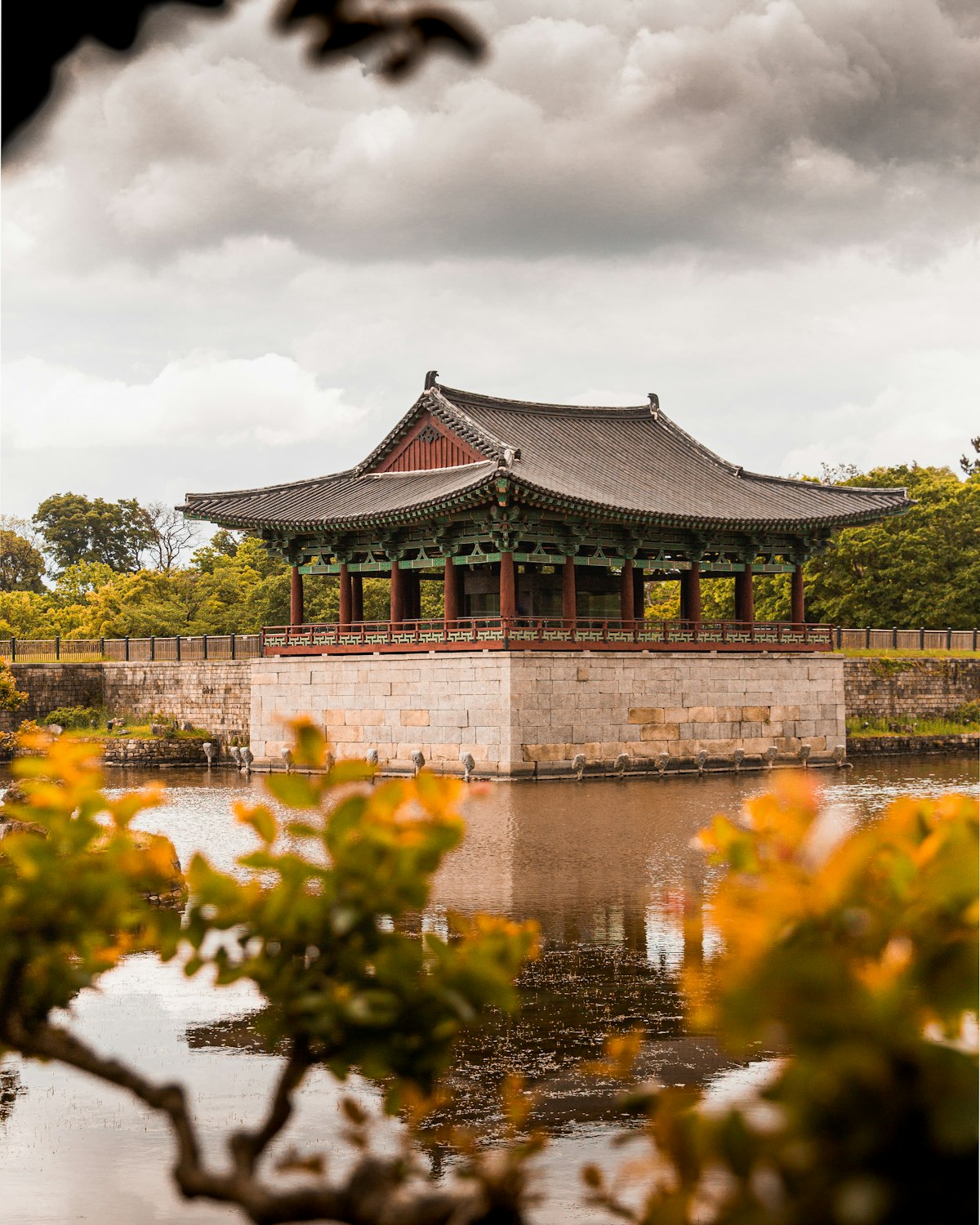

To truly understand South Korea, one must look beyond the sleek skyscrapers of Seoul and the vibrant coastal energy of Busan. Long before modern metropolises dominated the Korean Peninsula, a remarkable civilization flourished in the southeastern valley of Gyeongju. Known today as an open-air museum without walls, Gyeongju served as the capital of the Silla Kingdom for nearly a millennium, from 57 BCE to 935 CE. It is here that Korea’s unified cultural identity, architectural brilliance, and philosophical roots were forged.
Walking through Gyeongju feels like stepping directly into a living history book. Giant grassy burial mounds rise seamlessly alongside modern streetscapes, ancient Buddhist temples nestle in serene mountain forests, and centuries-old astronomical observatories still stand against the sky. For international travelers, visiting Gyeongju provides crucial context for Korean cultural identity and artistic heritage that modern urban centers simply cannot offer.
- Historical Significance: Capital of the ancient Silla Kingdom for almost 1,000 years, unifying the Korean Peninsula in 668 CE.
- Must-See UNESCO Landmarks: Bulguksa Temple, Seokguram Grotto, and the Gyeongju Historic Areas showcase extraordinary ancient craftsmanship.
- Unique Atmosphere: Iconic royal tumuli tombs are integrated directly into the modern downtown city center.
- Travel Accessibility: Located just 2 hours from Seoul via KTX high-speed train or 30 minutes from Busan.
The Golden Kingdom: Why Silla’s Legacy Defines Modern Korea

To appreciate Gyeongju, it helps to understand the Silla Kingdom (57 BCE – 935 CE). During Korea’s Three Kingdoms period, Silla competed with neighboring Goguryeo and Baekje. Through strategic alliances, military diplomacy, and cultural refinement, Silla eventually unified the peninsula in 668 CE. This unification ushered in the Golden Age of Unified Silla, an era marked by long periods of peace, artistic flourish, global Silk Road trade, and the flourishing of Mahayana Buddhism as the spiritual backbone of the nation.
Silla was often called the “Golden Kingdom” due to its lavish gold craftsmanship, delicate crowns, intricate gold jewelry, and opulent royal lifestyle. Unlike ancient capitals elsewhere that were rebuilt in different locations over time, Gyeongju remained the imperial center throughout Silla’s entire 992-year existence. Consequently, the geographical footprint of the ancient city remains preserved today, creating an extraordinary opportunity for visitors to experience an intact ancient cultural landscape.
Bulguksa Temple and Seokguram Grotto: Sacred Masterpieces
Designated together as Korea’s first UNESCO World Heritage site in 1995, Bulguksa Temple and Seokguram Grotto represent the pinnacle of Silla architectural achievement and Buddhist art. Built on the slopes of Mount Tohamsan during the 8th century, Bulguksa was designed to represent the ideal earthly Buddhist paradise. Its stone terraces, granite bridges, and two iconic pagodas—Dabotap and Seokgatap—demonstrate extraordinary mastery of symmetry, geometry, and stonemasonry.
A short journey further up the mountain brings you to Seokguram Grotto. Carved out of granite inside a stone cave chamber, this sanctuary houses a magnificent Buddha statue seated on a lotus throne, gazing out toward the East Sea. The mathematical precision and serene expression of the Buddha make Seokguram widely celebrated as one of East Asia’s finest Buddhist masterpieces.
Cheomseongdae and Daereungwon: Astronomy and Royal Tombs
In central Gyeongju stands Cheomseongdae, the oldest surviving astronomical observatory in Asia. Constructed during the reign of Queen Seondeok in the 7th century, this bottle-shaped stone tower consists of 362 granite blocks representing the days of the lunar year. It stands as a testament to the advanced scientific knowledge and court astrology utilized for agricultural planning during the Silla era.
A short walk from Cheomseongdae brings you to Daereungwon Tomb Complex, a sprawling park filled with massive grassy mounds containing the crypts of Silla kings and queens. Inside the famous Heavenly Horse Tomb (Cheonmachong), visitors can step inside an excavated mound to view reconstructed royal burial chambers, golden crowns, weapons, and ornate artifacts that highlight the kingdom’s immense wealth.
Donggung Palace and Wolji Pond: Nighttime Splendor
Formerly known as Anapji Pond, Donggung Palace and Wolji Pond were part of the crown prince’s palace compound, originally constructed in 674 CE. Designed as a royal retreat and banqueting site for honored foreign diplomats, the artificial pond was engineered so that no matter where you stand around its perimeter, you cannot see the entire pond at once, creating an illusion of boundless expanse.
Today, visiting Donggung Palace at dusk is an unmissable highlight. As darkness falls, strategic illuminations reflect the traditional wooden pavilions perfectly across the mirror-like surface of the water, offering one of the most magnificent night views in South Korea.
Key Historical Landmarks Comparison
To help you organize your sightseeing itinerary effectively, here is a breakdown of Gyeongju’s top historical destinations, including key features and practical visiting recommendations:
| Site Name | Historical Period | Key Features | Best Time to Visit |
|---|---|---|---|
| Bulguksa Temple | 8th Century (Unified Silla) | Dabotap & Seokgatap pagodas, Buddhist architecture | Early morning before tour buses arrive |
| Seokguram Grotto | 8th Century (Unified Silla) | Granite Buddha sculpture inside stone dome cave | Morning (combine directly with Bulguksa) |
| Daereungwon Complex | 4th–6th Century (Silla) | Royal tumuli, interior of Heavenly Horse Tomb | Late morning or early afternoon stroll |
| Donggung & Wolji Pond | 7th Century (Unified Silla) | Royal gardens, palace reflections, night lighting | Sunset to late evening for full illumination |
How to Incorporate Gyeongju into Your Travel Itinerary
When planning a travel route through South Korea, visitors often debate whether Gyeongju works best as a day trip or an overnight stay. While a quick day trip from Busan or Seoul is doable, spending two days and one night in Gyeongju allows you to experience its relaxed pace, scenic beauty, and illuminated evening sights without feeling rushed.
Gyeongju is easily accessible via the KTX high-speed rail network. Trains departing from Seoul Station arrive at Singyeongju Station in approximately two hours, while KTX trains from Busan take under thirty minutes. From Singyeongju Station, frequent city express buses connect travelers directly to the downtown area and major historic central parks within 25 minutes.
Beyond ancient monuments, modern Gyeongju offers vibrant cultural districts like Hwangridan-gil. This charming neighborhood features traditional hanok houses transformed into contemporary cafes, artisanal craft shops, photo studios, and local eateries. It creates a perfect bridge between Korea’s historic roots and modern lifestyle.
Pro Tips for Tourists
- Rent a Bicycle or Scooter: Central Gyeongju is flat and bike-friendly. Renting a bicycle near the main bus terminal is the best way to explore Daereungwon, Cheomseongdae, and nearby parks.
- Visit Woljeonggyo Bridge at Night: Located near Gyochon Traditional Village, this beautifully restored wooden covered bridge features stunning reflections after dark.
- Streamline Temple Transport: Take city bus #10 or #11 from central Gyeongju to Bulguksa Temple first, then board local shuttle bus #12 up the mountain road directly to Seokguram Grotto.
- Taste Local Culinary Specialties: Don’t leave without trying Hwangnam-ppang (Gyeongju sweet red bean pastry) and traditional SSambap (rice wrapped in fresh leafy greens served with varied side dishes).
- Book a Hanok Stay: For a deeper cultural immersion, stay overnight in a traditional wooden hanok guesthouse located near the central historic area.
Frequently Asked Questions
Is Gyeongju worth visiting on a short trip to South Korea?
Yes, Gyeongju is absolutely worth visiting. If you want to understand Korean history, religion, and architecture beyond modern skyscrapers, Gyeongju offers an unmatched concentration of UNESCO World Heritage sites accessible within two hours from Seoul via KTX.
How many days should I spend in Gyeongju?
Two full days (1 or 2 nights) is the ideal duration. This gives you ample time to explore downtown sites like Daereungwon and Donggung Palace on foot or bike, visit mountain temples like Bulguksa, and enjoy Hwangridan-gil’s cafe culture.
How do I get around Gyeongju without speaking Korean?
Navigating Gyeongju is very manageable for foreign tourists. Major attraction signs feature English translations, local buses provide English stop announcements, and mobile apps like Naver Map or KakaoMap make walking and riding easy.