
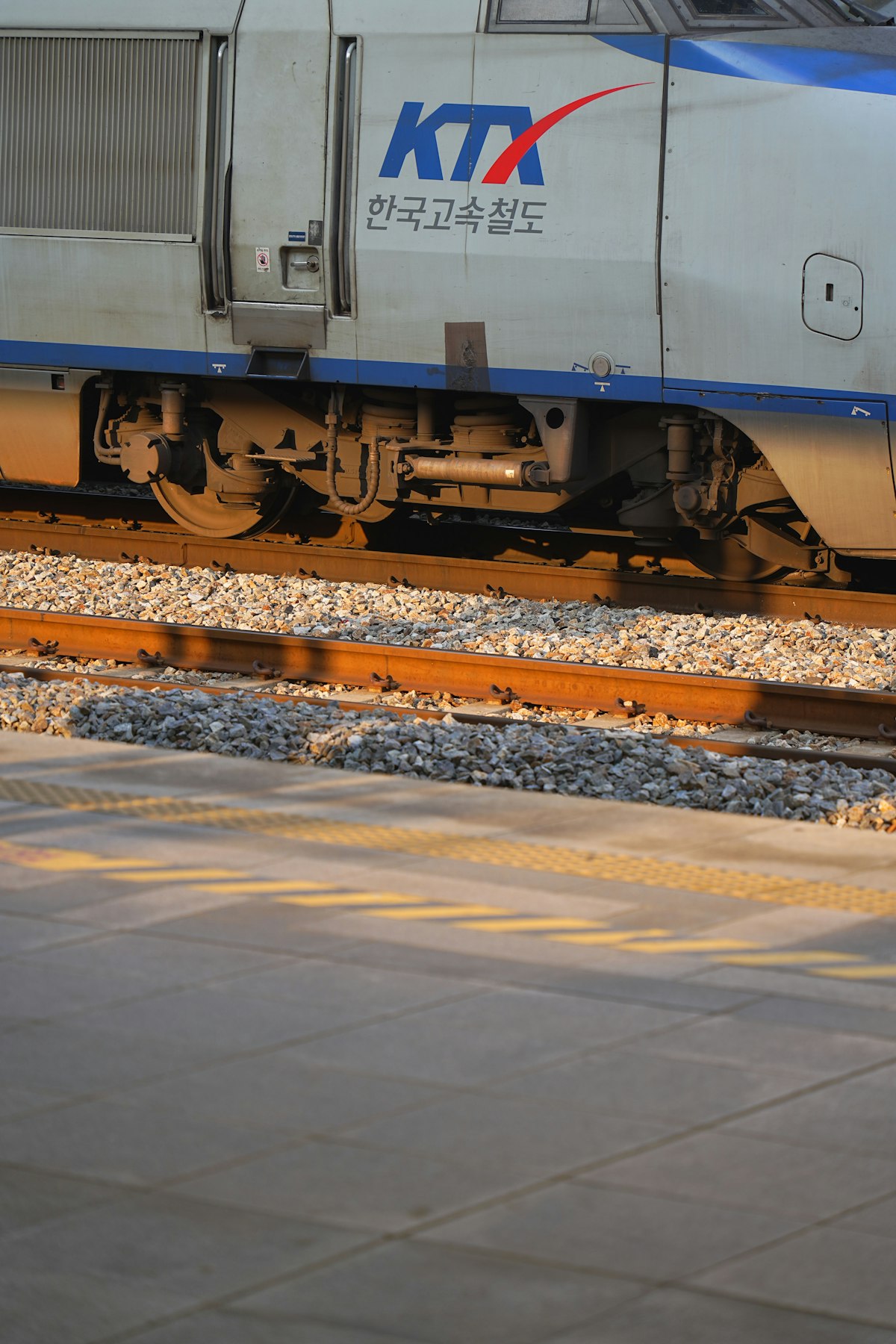

When planning a trip to South Korea, deciding how to travel between major regions is one of the most important decisions you will make. While Seoul offers enough attractions to keep any visitor busy for days, missing out on coastal gems like Busan, ancient historical capitals like Gyeongju, or culinary hot spots like Jeonju would mean seeing only a fraction of what the country has to offer. Fortunately, South Korea boasts one of the most modern and efficient transit networks in the world. At the center of this network sits the Korea Train eXpress, commonly known as the KTX.
Operated by Korail, South Korea’s national rail operator, KTX bullet trains whisk passengers across the Korean Peninsula at speeds of up to 305 km/h (190 mph). But with alternative transportation methods available—including budget express buses, domestic flights, and local commuter trains—foreign tourists frequently ask whether purchasing KTX tickets or a Korail Pass is genuinely worth the expense. In this detailed guide, we evaluate speed, cost, comfort, and practical convenience so you can decide if the KTX is the right choice for your Korean adventure.
- Unmatched Speed: KTX connects Seoul to Busan in approximately 2.5 hours, compared to 4.5 hours by express bus.
- City-Center Convenience: Stations like Seoul Station and Busan Station sit directly in city centers, saving significant commuting time compared to airports.
- Tourist Passes Available: The Korail Pass (K-Pass) offers unlimited train travel for foreign tourists over consecutive or select days, providing excellent value for multi-city itineraries.
- Verdict: For almost all foreign travelers visiting two or more regions, KTX is overwhelmingly worth it for its speed, comfort, and reliability.
What is the KTX? Speed, Network, and Coverage

Launched in 2004, the KTX revolutionized long-distance travel across South Korea. What used to be a full-day journey from the northern capital of Seoul to the southern port city of Busan was suddenly reduced to a brief and smooth ride. Today, the KTX network consists of several major lines that connect key regions across the country, making cross-country travel seamless for international visitors.
The most heavily traveled route is the Gyeongbu Line, which runs south from Seoul through major cities including Daejeon, Dongdaegu (Daegu), Singyeongju (Gyeongju), and Busan. Another vital route is the Honam Line, which heads southwest toward Gongju, Gwangju, and Mokpo. Travelers heading to the picturesque mountainous eastern province of Gangwon-do can take the Gyeonggang Line toward Gangneung, making ski trips or coastal getaways effortless.
Onboard, KTX trains offer modern amenities tailored to long-distance commuters and tourists alike. Standard seating provides ample legroom, adjustable recline, fold-down tray tables, free high-speed Wi-Fi access, and standard electrical outlets or USB charging ports near the windows. First Class cars offer even wider seats in a 2×1 configuration, free snacks, bottled water, and extra recline, delivering a premium experience at a modest upgrade cost.
KTX vs. Express Buses vs. Domestic Flights
To determine whether KTX is truly worth the money, it helps to compare it against South Korea’s main alternative travel options on the classic Seoul-to-Busan route. While express buses are noticeably cheaper, they are vulnerable to unpredictable highway traffic, especially during weekend rush hours and national holiday periods like Chuseok or Seollal. Domestic flights, on the other hand, appear fast on paper but introduce hidden time costs through airport transfers, security checks, and luggage wait times.
| Mode of Transport | Travel Time (Seoul to Busan) | Average One-Way Cost (KRW) | Key Advantage | Main Drawback |
|---|---|---|---|---|
| KTX High-Speed Train | 2 hr 15 min – 2 hr 45 min | ~59,800 KRW ($45 USD) | City-center arrival, punctual schedules, high comfort | Higher cost than express buses |
| Express Bus (Premium) | 4 hr 15 min – 5 hr 00 min | ~30,000 – 45,000 KRW | Cheaper price, comfortable reclining seats | Traffic delays, longer overall duration |
| Domestic Flight | 1 hr flight (+2 hrs airport time) | ~40,000 – 90,000 KRW | Short actual air time | Gimpo/Gimhae transfers, luggage weight limits |
| ITX / Mugunghwa Train | 4 hr 30 min – 5 hr 30 min | ~28,600 – 42,600 KRW | Budget-friendly, scenic rural routes | Very slow for tight tourist schedules |
As the table illustrates, while flying might appear faster at first glance, factor in the time spent taking the subway to Gimpo Airport in Seoul, arriving 1 hour before departure, going through security checks, and taking another train from Gimhae Airport into central Busan. In total, air travel takes around 3.5 to 4 hours door-to-door. With KTX, you simply walk into Seoul Station in central Seoul, board your train, and step off directly at Busan Station 2.5 hours later. For tourists whose time in Korea is limited, those saved hours are invaluable.
Is the Korail Pass (KR Pass) Worth Buying?
For foreign passport holders, Korail offers a special discounted rail pass called the Korail Pass (sometimes referred to as the KR Pass). This pass allows foreign visitors unlimited travel on almost all Korail-operated trains, including the KTX, KTX-Eum, ITX-Cheongchun, ITX-Saemaeul, and Mugunghwa trains, over a designated time period.
Types of Korail Passes Available
Korail provides two primary formats for foreign tourists:
- Consecutive Pass (2, 3, 4, or 5 Days): Valid for consecutive calendar days from your chosen start date. Ideal for aggressive itineraries where you travel long distances every day.
- Flexible Pass (2 or 4 Days): Allows you to pick 2 or 4 individual travel days within a 10-day window. This is perfect for travelers spending 2 or 3 days exploring a city like Busan or Gyeongju before moving to their next destination.
Calculating the Financial Value
To decide if the pass is worth it, do a quick calculation of your individual ticket costs. A round-trip ticket between Seoul and Busan costs roughly 120,000 KRW (approx. $90 USD). A 2-Day Flexible Korail Pass costs around 121,000 KRW for an adult. If your trip involves only a simple point-to-point journey from Seoul to Busan and back, buying point-to-point tickets and purchasing a Korail Pass cost nearly the same amount.
However, if your travel itinerary includes multiple stops—for example, traveling from Seoul to Gyeongju, then Gyeongju to Busan, and finally Busan back to Seoul—the Korail Pass easily saves you money while giving you the freedom to reserve seat selections online up to 30 days prior to your travel date.
How to Book KTX Tickets as an International Tourist
Booking train tickets in a foreign country can sometimes feel daunting, but Korail makes the process straightforward for non-Korean residents. Tickets officially go on sale exactly 30 days prior to the departure date at 07:00 AM Korean Standard Time (KST).
You have three main options for purchasing tickets:
- Official Korail English Website (LetsKorail): You can search schedules, select your exact seats, and pay using international Visa or Mastercard credit cards without needing a local Korean phone number or resident registration card.
- KORAIL Talk Mobile App: Available on iOS and Android. Ensure you switch the app language to English in settings. It allows digital boarding passes to be saved directly to your smartphone.
- In Person at Major Train Stations: Ticket counters and automated kiosks at stations like Seoul Station, Yongsan Station, or Busan Station offer English language support. However, purchasing on the day of travel carries a high risk of sold-out trains, especially on Friday afternoons, weekends, and holidays.
Pro Tips for Tourists
- Book Popular Weekend Routes Early: KTX tickets for Friday evening departures from Seoul to Busan, or Sunday return trains to Seoul, sell out almost instantly 30 days in advance. Set a reminder on your calendar!
- Manage Heavy Luggage Smartly: Over-seat luggage racks handle small to medium suitcases, but large hard-shell suitcases must go on the dedicated luggage racks located at the end of each car between automatic doors. Board early if you have oversized luggage to secure space.
- No Ticket Turnstiles: Korean train stations operate on an open-gate system without physical turnstiles or ticket barriers. Passengers simply walk directly onto the platforms and board their assigned car and seat. Conductors check occupancy using digital handheld tablets, so keep your digital or printed ticket accessible just in case.
- Station Food Options: Unlike airports, you can bring outside food and beverages onto the KTX. Seoul Station features fantastic bento box (Dosirak) outlets, bakeries, and convenience stores near the train gates. Clean, quiet eating at your seat is widely accepted.
- Choose Forward-Facing Seats: Older KTX-I train models feature some fixed backward-facing seats in Standard Class. When booking on the official Korail site or app, double-check the seat orientation map to ensure you select forward-facing seats if you are prone to motion sickness.
Frequently Asked Questions
How far in advance should foreign tourists book KTX tickets?
KTX tickets open for reservation 30 days before the departure date. For travel on weekends, public holidays, or popular tourist routes like Seoul to Busan or Gangneung, it is strongly recommended to book as soon as tickets become available online to guarantee your preferred departure time and reserved seats.
Is there luggage storage for large suitcases on the KTX?
Yes. Each train car features dedicated luggage storage racks located in the vestibule areas between carriages for oversized suitcases. Overhead racks above your seat can easily accommodate standard carry-on bags, backpacks, and medium-sized duffel bags.
What is the difference between First Class and Standard Economy on KTX?
First Class offers larger, wider seats with extra legroom arranged in a 2×1 configuration (instead of 2×2 in Economy), motorized seat recline, single-seat options for solo travelers, and complimentary quiet amenities like bottled water, cookies, and wet wipes. For a fare difference of only about 20,000 to 25,000 KRW, it offers exceptional value for travelers seeking added comfort.