
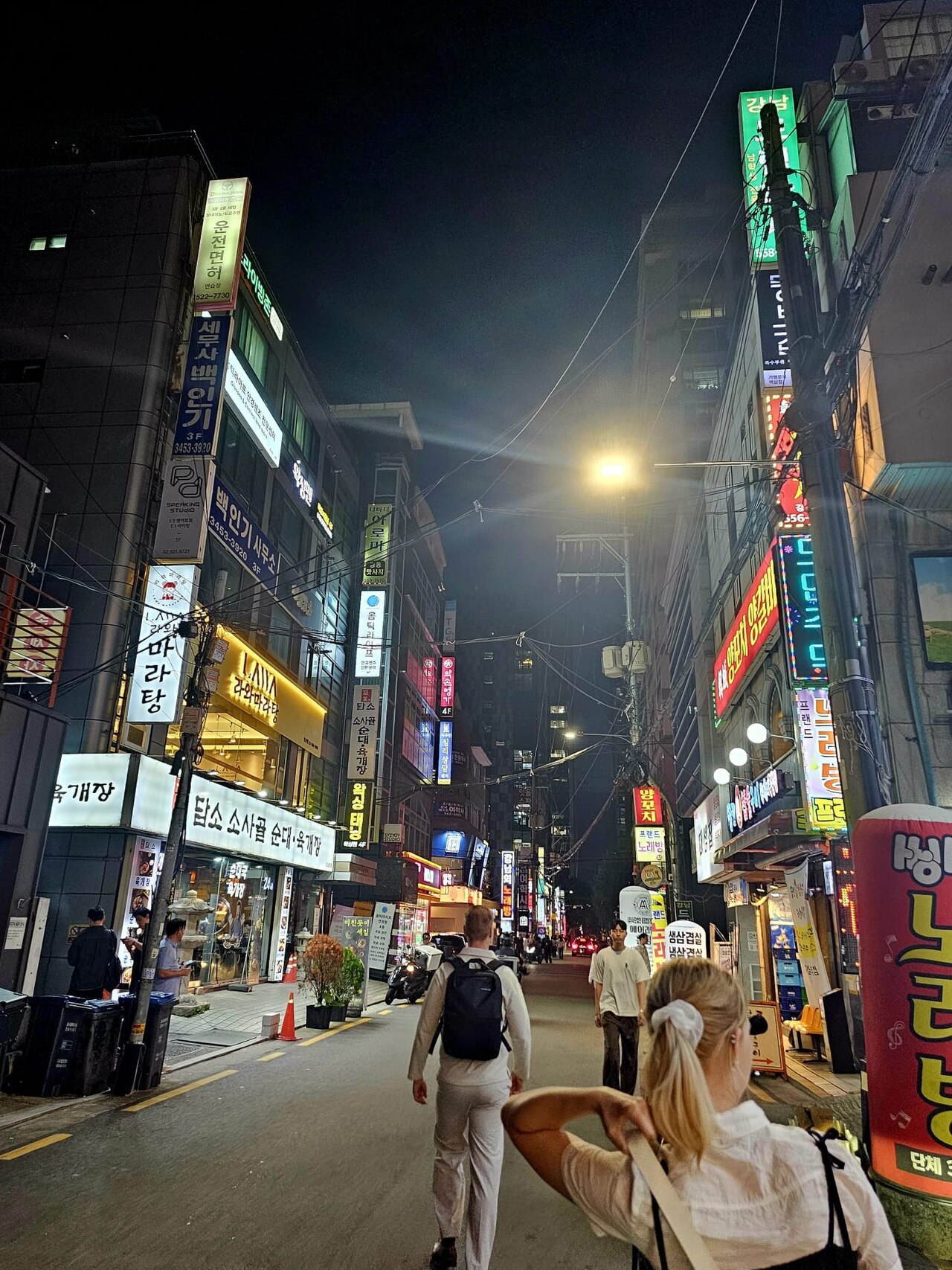

Planning a trip to Seoul is an incredible adventure, full of world-class shopping, historic palaces, and mouth-watering street food. While South Korea is famous for being one of the most digitally advanced and largely cashless societies on the planet, foreign visitors quickly discover that having physical South Korean Won (KRW) in hand is still an absolute necessity. From purchasing and reloading your T-money transit card for subway rides to buying snacks at traditional markets like Gwangjang Market or paying at small neighborhood stalls, cash remains essential for a smooth vacation.
Navigating foreign exchange in a dynamic city can feel overwhelming, especially when trying to avoid predatory airport rates and excessive transaction fees. In this comprehensive guide, we break down the absolute best places to exchange currency in Seoul, compare rate differences across major districts, and share expert money-saving tips to ensure your hard-earned travel funds stretch as far as possible.
- Best Exchange Rates: Private money exchange booths in Myeongdong consistently offer the lowest margins and best foreign exchange rates in South Korea.
- Airport Strategy: Incheon and Gimpo Airport banks are convenient but offer poor exchange rates. Exchange only a small amount (30,000 to 50,000 KRW) for immediate transport and food upon landing.
- Required Documents: You must bring your original physical passport to exchange cash at official booths and commercial bank branches.
- Best Bills to Bring: Large, crisp, clean banknotes (such as $100 USD, €100, or ¥10,000 notes) yield higher rates than smaller denominations.
- Smart Alternatives: Foreign tourist payment cards like WOWPASS and NAMANE allow you to exchange currency at dedicated kiosks and pay everywhere by card.
Where to Exchange Money in Seoul: Top Options Compared

When converting foreign currency to South Korean Won, foreign tourists generally have four main options: Myeongdong private exchange counters, airport currency desks, commercial bank branches, and self-service exchange kiosks/ATMs. Each method balances conversion rates, convenience, and operating hours differently.
1. Myeongdong Private Exchange Booths (Best Overall Rates)
If you are looking for the absolute best exchange rates in South Korea, head directly to Myeongdong. This vibrant shopping district hosts dozens of government-licensed, private currency exchange stalls located in close proximity to one another. Due to intense competition, these private booths operate on razor-thin profit margins, offering rates that are virtually identical to the interbank market rate.
Unlike banks, private money exchangers in Myeongdong generally do not charge additional transaction fees or commission percentage cuts. Rates are updated continuously on digital display boards facing the street, allowing you to walk down the alleys and compare rates before committing to a transaction.
2. Incheon & Gimpo Airport Exchange Counters (Maximum Convenience, Higher Cost)
Located in the arrival halls of Incheon International Airport (ICN) and Gimpo International Airport (GMP), bank counters operated by Woori Bank, Shinhan Bank, and Hana Bank offer instant service the moment you land. Their major advantage is availability, as many airport counters operate 24 hours a day.
However, airport money exchange counters carry significantly worse rates—often 3% to 7% below the standard market rate. To maximize your budget, exchange only a small amount of cash at the airport (just enough to buy an AREX train ticket or T-money card and get to your hotel), and convert the rest of your money once you reach central Seoul.
3. Commercial Bank Branches in Seoul
Major South Korean commercial banks such as KB Kookmin, Shinhan, Woori, and Hana Bank operate hundreds of branches throughout Seoul. Changing money at a local bank branch is safe and standardized, but process times can be slow during peak hours. Bank rates are generally better than airport rates but slightly lower than Myeongdong private booths. Keep in mind that standard bank operating hours in South Korea are strict, typically Monday through Friday from 09:00 to 16:00.
4. WOWPASS Kiosks and Automated Exchange Machines
For travelers who prefer self-service, WOWPASS kiosks have become immensely popular across Seoul. Located inside major subway stations, hotels, and tourist centers, WOWPASS machines accept foreign currency cash (USD, EUR, JPY, SGD, TWD, HKD, and more) and convert it directly onto a reloadable prepaid card that doubles as a T-money transit card. You can also withdraw physical KRW cash directly from these machines. Rates at WOWPASS kiosks are fair and accessible 24/7.
Comparison of Seoul Currency Exchange Methods
Use the table below to evaluate which exchange option fits your travel schedule and monetary needs:
| Exchange Location | Rate Quality | Commission / Fees | Best For |
|---|---|---|---|
| Myeongdong Exchange Booths | Excellent (Best in Seoul) | None / Built into rate | Large cash exchanges ($200+ USD) |
| Airport Bank Counters | Below Average | High margin markup | Emergency arrival cash only |
| City Center Banks | Moderate | Standard exchange margin | Business hours convenience |
| WOWPASS Kiosks | Good / Competitive | Low automated markup | Prepaid card convenience & night transfers |
| Global ATMs (Debit Withdrawal) | Varies by home bank | 3,600–5,000 KRW local fee + foreign fee | Travelers with zero-fee fee debit cards |
Top Currency Exchangers in Myeongdong
If you are heading to Myeongdong to convert your money, a few long-standing, reputable counters consistently rank highest among travelers for reliable rates and quick transactions:
1. Ambassador Money Exchange (명동 대사관 앞 환전소): Located directly opposite the former Chinese Embassy in Myeongdong, this is arguably the most famous exchange booth in Seoul. It routinely offers the best daily rates for USD, JPY, EUR, and TWD.
2. K-Money Exchange & Korea Exchange: Located along the same main alley near the Chinese Embassy, these neighboring booths compete directly with Ambassador. Comparing rates between these three storefronts takes less than two minutes on foot.
3. Money Box Myeongdong: Money Box is a modern franchised chain with clean, professional outlets. They offer transparent live rates on their website and operate user-friendly automated exchange kiosks inside their branches, making them a great option if you visit during off-hours.
Alternative Locations: Itaewon, Hongdae, and Dongdaemun
If your travel itinerary doesn’t include Myeongdong early on, other major tourist districts offer private exchange offices with reasonable rates:
Itaewon: Known as Seoul’s multicultural hub, Itaewon has multiple private money exchangers scattered around Itaewon Station Exit 1 and Exit 3. These counters cater to a diverse clientele and often quote great rates for Southeast Asian and Middle Eastern currencies alongside USD and EUR.
Hongdae & Dongdaemun: In Hongdae, specialized exchange spots like Travel Depot near Hongik University Station offer convenient conversions. Dongdaemun features small exchange stalls near the major shopping centers (DDP and Good Morning City), catering to late-night shoppers.
Pro Tips for Tourists
- Carry Crisp, High-Denomination Banknotes: Private exchange shops pay higher rates for $100 USD or €100 bills compared to $10 or $20 notes. Ensure bills are clean, unwrinkled, and free of tears or ink markings.
- Bring Physical Passport Verification: South Korean financial regulations require licensed exchangers to record visitor identities. Always bring your physical passport rather than a digital photo copy.
- Decline Dynamic Currency Conversion (DCC): When using foreign debit or credit cards at ATMs or stores, always select to be charged in South Korean Won (KRW) rather than your home currency to avoid steep conversion markup rates.
- Check Daily Exchange Rates Online: Before heading out, check live interbank rates on financial platforms (like XE or Google Finance) to understand the baseline exchange market value.
- Use Global ATMs for Emergency Cash: Look for ATMs displaying a blue “Global ATM” logo (commonly found at CU, GS25, and Seven-Eleven convenience stores or inside Shinhan and Woori banks) if you need to withdraw KRW directly using an international debit card.
Frequently Asked Questions
Do I need cash in Seoul, or is South Korea completely cashless?
While South Korea is predominantly cashless for major retail stores, restaurants, and taxis, cash is still required for essential tourist services. Transit cards like T-money can only be reloaded with cash at subway stations and convenience stores. Additionally, traditional street food markets, coin laundromats, and small local vendors require payment in physical Korean Won.
What documents do I need to exchange money at currency booths in Seoul?
You must present your physical passport at both private money exchange booths and commercial bank branches. South Korean anti-money laundering laws require money exchangers to register your full name, passport number, and nationality for transactions.
Is it better to exchange money before arriving in Korea or after landing in Seoul?
It is far better to exchange your currency after arriving in Seoul. Foreign banks outside Korea usually charge high commission rates and hold poor exchange margins for Korean Won. For the best rates, bring clean cash in your home currency and convert it at Myeongdong private exchange booths after arriving in central Seoul.