
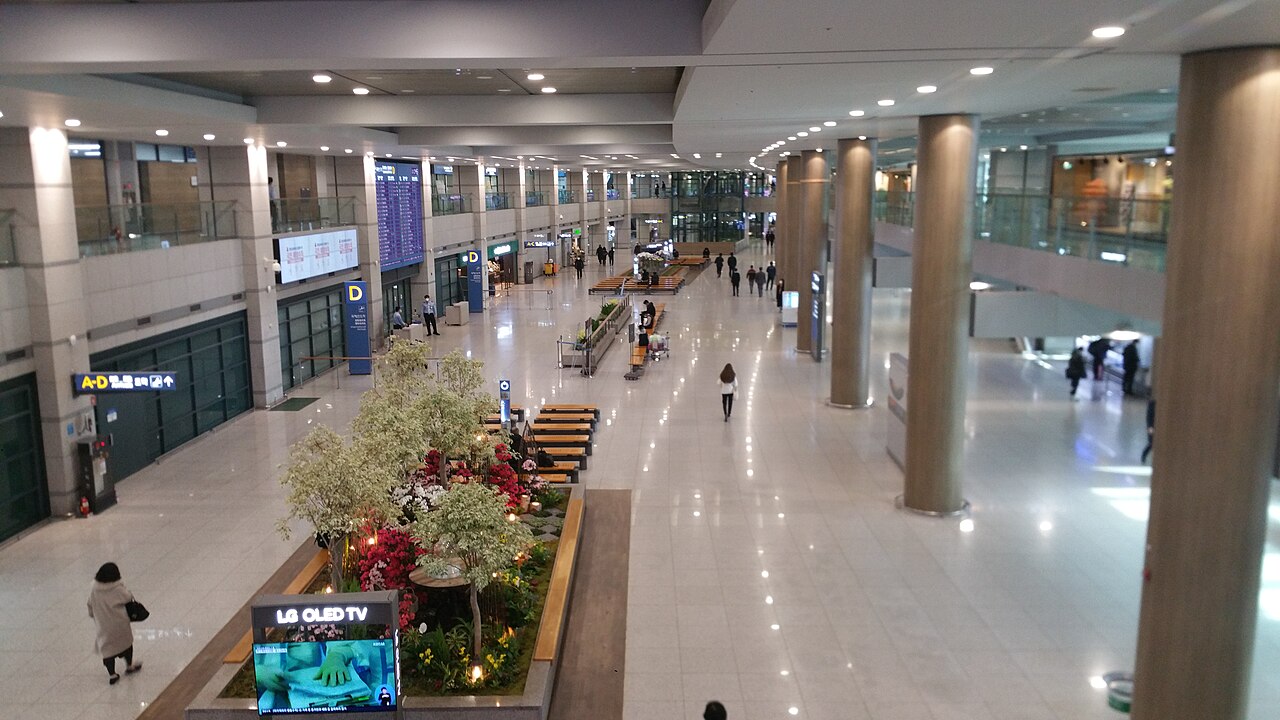

Short-term international visitors arriving at Incheon International Airport or settling into a hotel in Seoul often look forward to experiencing South Korea’s famous late-night food delivery culture. However, opening popular local applications like Baedal Minjok (Baemin), Coupang Eats, or Yogiyo immediately reveals a major roadblock: strict digital identity verification. For travelers without a locally registered identity document, ordering a simple late-night meal can turn into an impossible technical puzzle.
This guide details the exact verification mechanics that prevent short-term tourists from using native Korean delivery apps, outlines the functional workarounds available in 2026, and provides step-by-step instructions for getting food delivered to your hotel or accommodation without an Alien Registration Card (ARC).
- Verification Barrier: Standard Korean delivery apps require real-name identity verification (bonin injeung) linked to a Korean resident ID or Alien Registration Card (ARC) and a local postpaid mobile plan.
- Payment Barrier: Native app checkout flows generally reject foreign Visa, Mastercard, and American Express cards unless processed through specific international gateways.
- Workarounds That Work: English-friendly delivery platforms designed for visitors, hotel front desk concierge ordering services, and direct takeout ordering via translated mapping applications.
- Address Accuracy: Delivery drivers require exact Korean script formatting using the Korean Road Name Address system (doromyeong juso).
- Official Support: If ordering fails or language barriers prevent driver coordination, contact the 1330 Korea Travel Helpline for real-time translation and guidance.
The Core Verification Barriers on Korean Delivery Platforms

To understand why domestic apps fail for foreign tourists, it helps to understand South Korea’s digital identity ecosystem. Online services in South Korea operate under strict real-name verification standards (bonin injeung). When creating an account on platforms like Baemin or Coupang Eats, the system demands user validation through one of three pathways: a local telecommunications provider OTP (SKT, KT, or LG U+), a local credit card issued under a verified national ID, or a digital certificate tied to a resident registration number.
Short-term tourists typically buy prepaid airport eSIMs or physical SIM cards. While these cards grant data connectivity and sometimes a temporary local phone number, they rarely include the legal real-name registration tied to the national database required by Korean verification gateways. Consequently, requesting an SMS verification code on a tourist SIM usually returns an error stating that the owner’s identity cannot be matched.
The second major obstacle is financial gateway integration. Domestic delivery platforms process payments through Korean payment gateways (such as KCP, Toss Payments, or KG Inicis). These gateways mandate 3D Secure verification configured specifically for South Korean financial institutions. Even if a visitor bypasses the initial account verification, non-Korean credit cards are frequently rejected during the final payment confirmation screen. Specific promotional campaigns, daily API limit resets, and regional payment options change frequently; travelers should consider exact fee structures and app interface flows as subject to confirmation with official app operators.
What Actually Works for Tourists in 2026
Despite verification hurdles on domestic mainstream apps, international visitors have several practical, reliable methods for securing food delivery or convenient takeout while traveling in South Korea.
1. Specialized English Delivery Services
Services built specifically to bridge the language and payment gap operate in major metropolitan areas, including Seoul, Busan, and Pyeongtaek. Platforms such as Shuttle Delivery allow users to sign up using an email address or an international phone number. Crucially, these services process payments through global payment processors that accept international credit cards and PayPal. While menu selections may be more tailored to central tourist districts, they eliminate account verification barriers entirely.
2. Hotel Concierge and Front Desk Assistance
Many standard hotel facilities and serviced apartments offer food ordering assistance at their front desk or concierge counter. Staff members can use verified domestic accounts to order from local Korean menus on your behalf. Guests typically reimburse the front desk in cash (KRW) or via room charge. When selecting this option, always inform staff in advance, as some hotel policies require guests to meet the delivery driver at the main lobby entrance.
3. Direct Kiosk Takeout and Map-Based Pickup
If app delivery proves inaccessible, direct takeout remains one of the most efficient alternatives. Modern Korean eateries feature automated ordering kiosks supporting English, Japanese, and Chinese UI modes. Furthermore, mapping applications like Naver Map allow users to browse nearby dining options, view translated menus, and locate restaurants offering direct walk-in takeout. International credit cards are universally accepted at physical point-of-sale (POS) terminals in store.
Step-by-Step Guide: Ordering Delivery Without a Local Resident ID
Follow this systematic sequence to ensure your food order is placed, paid for, and delivered successfully without running into system authentication errors.
Step 1: Determine Your SIM and Phone Verification Status
Before attempting to register on any Korean digital platform, verify the capabilities of your mobile line. If you are using a standard prepaid tourist SIM or eSIM purchased at Incheon Airport, confirm whether it includes voice/SMS functionality or is data-only. If it lacks identity-linked real-name registration, skip domestic applications like Baemin and choose a foreign-accessible platform or service channel.
Step 2: Obtain and Format Your Korean Script Address
Korean delivery drivers rely entirely on the modern Road Name Address system (doromyeong juso). English address translations generated by web translation tools often scramble building numbers and street names, causing delivery failures. Request the full address written in native Korean characters (Hangul) from your hotel front desk or accommodation host. Save both the primary street address and the specific room or suite number on your mobile device.
Step 3: Select Your Ordering Platform and Payment Method
Open an international-friendly delivery platform or present your order request to your accommodation staff. If ordering independently online, select foreign payment processing gateways (such as global credit card checkout or PayPal). Verify that your card issuer does not block overseas transactions, or notify your card provider beforehand to prevent anti-fraud flags.
Step 4: Add Clear Delivery Instructions for the Courier
Most Korean residential buildings and hotels feature secure keycard entry access or lobby restrictions. In the courier notes section, clearly state delivery location instructions in Korean. Common standardized notes include: “1층 로비에서 연락주세요” (Please contact me from the 1st-floor lobby) or “문 앞에 놓아주세요” (Please leave it in front of the door). If you cannot receive phone calls, explicitly specify lobby drop-off.
Step 5: Monitor Arrival and Handle Communication Gaps
Keep your phone nearby as the estimated delivery time approaches. Drivers frequently call upon arrival if building access is restricted. If a driver calls and speaks only Korean, stay calm and use basic key phrases or utilize live translation tools. Should a severe communication failure occur, call the 1330 Korea Travel Helpline for instantaneous phone translation assistance.
Delivery App & Channel Comparison for Overseas Travelers
The table below summarizes how different ordering methods handle identity checks, overseas payments, and language accessibility for short-term visitors in 2026.
| Ordering Channel | Korean ID Required? | Foreign Cards Accepted? | Language Support | Best Suited For |
|---|---|---|---|---|
| Domestic Native Apps (Baemin, Coupang Eats, Yogiyo) | Yes (Local ARC or Korean SIM OTP required) | Generally No (Requires domestic card gateway) | Korean only (limited automated translations) | Long-term residents with local residency ID and local bank accounts. |
| Visitor-Friendly Services (e.g., Shuttle Delivery) | No (Email or foreign number signup) | Yes (Global Visa, Mastercard, PayPal) | Full English Interface | Tourists staying in major urban hubs wanting direct mobile ordering. |
| Hotel Concierge Assistance | No (Uses staff account) | Indirectly (Pay hotel room bill or cash reimbursement) | English / Japanese / Chinese (staff dependent) | Travelers staying at full-service hotels wanting authentic local menu items. |
| Direct Kiosk / Map Pickup (Naver Map search) | No ID required for in-person purchasing | Yes (Swiped or inserted at local terminal) | Multi-language kiosk screens available | Walk-in travelers looking for late-night food without delivery waiting times. |
Navigating Address Formats and Local Courier Logistics
A frequent failure point for tourist food delivery is address miscommunication. South Korea fully adopted the Road Name Address system in 2014, replacing the legacy land-lot (jibun) system. Delivery applications process locations strictly using this current structure.
When copying your address into an ordering application, always structure the entry from largest jurisdiction to smallest detailed unit: City/Province → District (Gu) → Road Name → Building Number → Room/Apartment Number. For example, an address should appear as 서울특별시 중구 세종대로 110, 402호 rather than its romanized or English equivalent. If you reside in a high-rise building with electronic gate access, delivery drivers cannot enter elevators without a card key; always offer to meet them in the ground-floor lobby area.
If a driver calls and you cannot communicate, do not hang up immediately. Many couriers send an automated SMS text message if a call is unanswered. You can copy-paste the text message into a translation engine to review instructions. If an emergency resolution is needed, contact official travel assistance resources immediately.
Pro Tips for Tourists
- Save Your Hotel Card in Hangul: Always collect a physical business card or digital screenshot of your hotel’s address written in Korean characters immediately upon check-in.
- Carry Reserve Korean Cash (KRW): If you arrange for hotel concierge staff or an offline merchant to place an order, having physical South Korean Won on hand allows you to settle delivery fees immediately.
- Utilize CatchTable Global for Dining Out: If delivery authentication proves too complex, use CatchTable Global or Naver Reservations to secure dine-in seats at top restaurants using international mobile phone numbers.
- Leverage 24-Hour Convenience Stores: Korean convenience store chains (CU, GS25, Seven-Eleven) offer fresh hot meals, fried chicken, and instant noodles open 24/7, accepting all major global credit cards with zero app verification required.
- Bookmark Official Resources: Keep the 1330 Korea Travel Helpline stored on your device. Operated by the Korea Tourism Organization, this service offers 24/7 free travel assistance and translation in English, Japanese, and Chinese.
Frequently Asked Questions
Can I use my home foreign credit card directly on Baemin or Coupang Eats?
Generally, no. Mainstream Korean delivery platforms process payments via domestic payment gateways that enforce local 3D Secure protocols linked to South Korean banks or resident identity credentials. Foreign Visa, Mastercard, or American Express cards are usually declined during the final payment checkout step. Tourists should utilize specialized English delivery platforms, request hotel concierge booking, or order takeout in person.
Will a tourist SIM card bought at Incheon Airport allow me to pass identity verification?
In most cases, standard prepaid tourist SIMs and eSIMs lack the formal real-name registration (bonin injeung) required by South Korea’s national verification systems. Even if your tourist SIM includes a local 010 phone number capable of receiving SMS messages, the telecommunication database will not match your registration to an Alien Registration Card or national ID, causing the app authorization flow to fail.
What should I do if a food delivery driver calls me and speaks only Korean?
If a courier calls upon arrival, politely state “1층 로비에 있습니다” (I am in the 1st floor lobby) or proceed immediately to the main building entrance. If language barriers prevent communication, you can call the 1330 Korea Travel Helpline to request live multi-language telephone translation between you and the driver.