
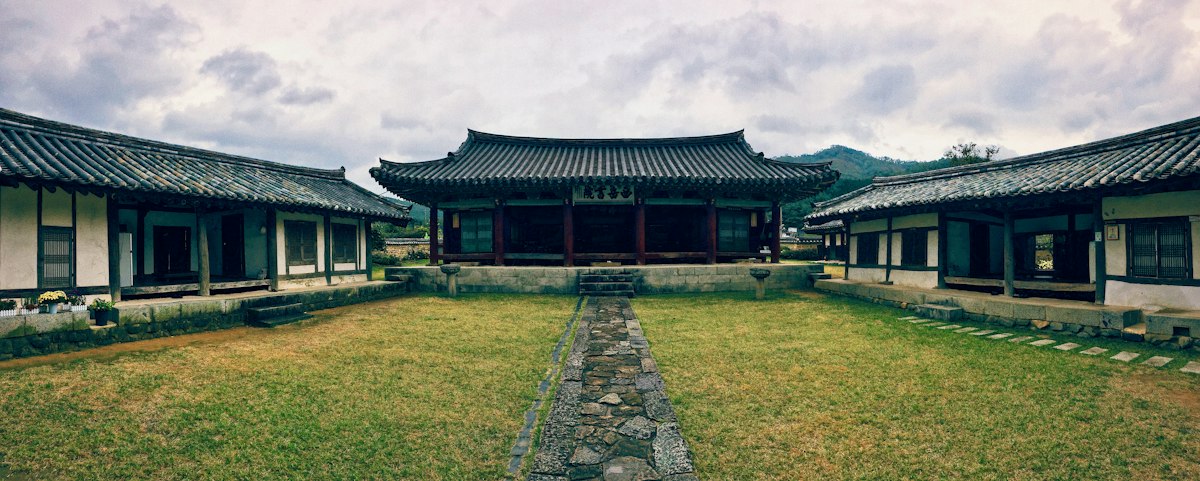

Stepping into Bukchon Hanok Village feels like stepping back in time. Nestled quietly between Seoul’s grand Joseon-era palaces—Gyeongbokgung and Changdeokgung—this historic neighborhood is home to hundreds of traditional Korean wooden homes, known as hanoks. With their beautifully curved tiled roofs, earthy clay walls, and intricate wooden frames, these structures represent the pinnacle of traditional Korean architecture. For international tourists, wandering through these narrow, winding alleys is an absolute must-do when visiting Seoul.
However, Bukchon Hanok Village is facing a modern crisis: overtourism. Unlike open-air cultural parks or folk museums, Bukchon is a living, breathing residential neighborhood. Real families, elderly residents, and working professionals call these historic hanoks home. Over the past decade, a massive influx of tourists has led to noise pollution, littering, and serious privacy violations, prompting local authorities to introduce strict new regulations. To ensure this beautiful cultural landmark remains open to the public, visitors must learn how to explore responsibly. This guide will show you how to enjoy Bukchon’s breathtaking scenery while being a respectful, welcome guest.
- New Curfew Rules: Tourist access to the main “Red Zone” (Bukchon-ro 11-gil) is strictly restricted from 5:00 PM to 10:00 AM. Fines of up to 100,000 KRW apply for violators.
- Getting There: Take Seoul Subway Line 3 to Anguk Station (Exit 2 or 3) and walk about 10 minutes.
- Behave Like a Guest: Keep your voice to a whisper, do not peer into private homes, and never touch personal property.
- Best Time to Visit: Weekday mornings between 10:00 AM and 12:00 PM offer the quietest experience.
Understanding Bukchon: A Living Neighborhood, Not a Theme Park

Before you set foot in the village, it is crucial to understand its historical and social context. Bukchon literally translates to “Northern Village,” as it lies north of Cheonggyecheon Stream. During the Joseon Dynasty, this area was the residential quarter for high-ranking government officials, aristocrats, and members of the royal family. Today, many of these traditional Korean hanok buildings framing a grass courtyard have been meticulously preserved, offering a rare glimpse into Korea’s architectural heritage. When you look up through a narrow Seoul side street in daylight, you can see the N Seoul Tower rising behind the tiled rooftops, creating a stunning visual contrast between Seoul’s ancient past and its hyper-modern present.
Because of this unique charm, Bukchon has become a victim of its own popularity. Residents frequently deal with tourists opening their front doors, shouting in the streets, leaving trash on windowsills, and launching drones over private courtyards. In response, parts of Bukchon have been designated as special tourist management zones. Understanding that you are walking through someone’s backyard is the first step to being a responsible traveler.
Essential Rules of Etiquette: How to Be a Respectful Visitor
Visiting Bukchon respectfully does not require much effort, but it does require mindfulness. By following a few simple rules, you can help preserve the peace and ensure that residents continue to welcome international travelers.
1. Adhere Strictly to the New Curfew (Red Zone Rules)
In late 2024, the Jongno-gu district office implemented a strict tourist curfew in Bukchon’s most crowded area, designated as the “Red Zone” (primarily Bukchon-ro 11-gil). Tourists are banned from entering this zone between 5:00 PM and 10:00 AM daily. Government-appointed guides in yellow vests patrol the area to enforce this curfew. Violators face fines of up to 100,000 KRW (approximately $75 USD). Make sure to plan your visit during the permitted daytime hours.
2. Keep Your Voices Down
Sound travels and echoes easily in the narrow stone alleys of Bukchon. What feels like a normal speaking voice to you can easily penetrate the thin wooden walls of a traditional hanok. Keep your conversations at a whisper. If you are traveling in a group, avoid shouting to one another across the street. Look out for the “Silent Tourism” signs posted throughout the village as a gentle reminder.
3. Respect Private Property
This is perhaps the most common complaint from local residents. Do not lean against residential doors, do not sit on the stone steps of private homes, and never attempt to open gates or peer through windows. If a gate is open, it is still private property; do not enter unless there is a clear sign indicating it is a public cafe, museum, or guesthouse.
Bukchon Hanok Village vs. Other Hanok Spots in Seoul
If you want to experience traditional Korean architecture but are worried about the crowds or strict curfew rules, Seoul offers several excellent alternatives. Here is how Bukchon compares to other popular hanok destinations in the city:
| Location | Atmosphere & Vibe | Best For | Key Restrictions |
|---|---|---|---|
| Bukchon Hanok Village | Authentic, historic, residential, and highly scenic. | Classic photography, historic architecture, palace proximity. | Strict 5 PM – 10 AM curfew; noise level restrictions. |
| Namsangol Hanok Village | Spacious, museum-like, structured park setting. | Traditional games, cultural performances, relaxed walking. | Closed on Mondays; designated opening hours (no curfew fines). |
| Ikseon-dong Hanok Alley | Trendy, commercial, bustling with cafes and boutiques. | Cafe hopping, souvenir shopping, dining, and nightlife. | No curfews, but extremely crowded on weekend evenings. |
How to Take Beautiful Photos Ethically
Photography is one of the main reasons travelers visit Bukchon. The dramatic slopes and historic architecture make for incredible memories. However, you should follow these guidelines to keep your photo session ethical and hassle-free:
First, avoid blocking the narrow streets. Many residents still need to drive their cars through these alleys to get to work or buy groceries. If you see a resident trying to pass, step aside immediately. Second, do not use bulky photography gear like professional lighting stands or large reflectors without a permit, as these block public pathways. Finally, respect people’s privacy. Avoid taking direct photos of residents going about their daily lives, hanging laundry, or entering their homes. Keep your camera focused on the beautiful architecture and the distant city skyline.
Pro Tips for Tourists
- Wear Comfortable Shoes: Bukchon is incredibly hilly with steep stone slopes. Leave the heels at home and wear sturdy walking shoes or sneakers.
- Rent a Hanbok: Many rental shops near Anguk Station offer traditional Korean clothing (Hanbok). Wearing one is a fun cultural experience and makes for beautiful photos, but remember that wearing a Hanbok does not exempt you from the noise and curfew rules!
- Support Local Businesses: While the residential streets are quiet, the surrounding main streets are filled with lovely tea houses, craft workshops, and small boutiques. Stop by for a cup of traditional plum tea to support the local economy.
- Use the Restroom Before You Arrive: Because Bukchon is a residential area, public restrooms are scarce. Use the facilities at Anguk Station or local cafes before starting your walking tour.
- Dispose of Trash Properly: You will find very few public trash cans in Seoul’s residential areas. Carry a small bag with you to store your trash until you return to a subway station or your hotel.
Frequently Asked Questions
Is there an admission fee to enter Bukchon Hanok Village?
No, Bukchon Hanok Village is a public residential neighborhood, so there is no entrance fee. However, some individual museums, workshops, or tea houses within the village may charge their own small admission fees.
What are the exact hours of the tourist curfew?
The tourist curfew in the designated “Red Zone” (the main residential alley of Bukchon-ro 11-gil) is in effect daily from 5:00 PM to 10:00 AM. Visitors are not allowed in this zone during these hours, and fines of up to 100,000 KRW can be issued to violators.
Can I stay overnight in a Bukchon hanok?
Yes! Several traditional hanoks operate legally as licensed guesthouses. Staying overnight is a wonderful way to experience traditional floor-heating (ondol) and enjoy the neighborhood legally outside of regular tourist hours, as registered guests are exempt from the curfew restrictions.