
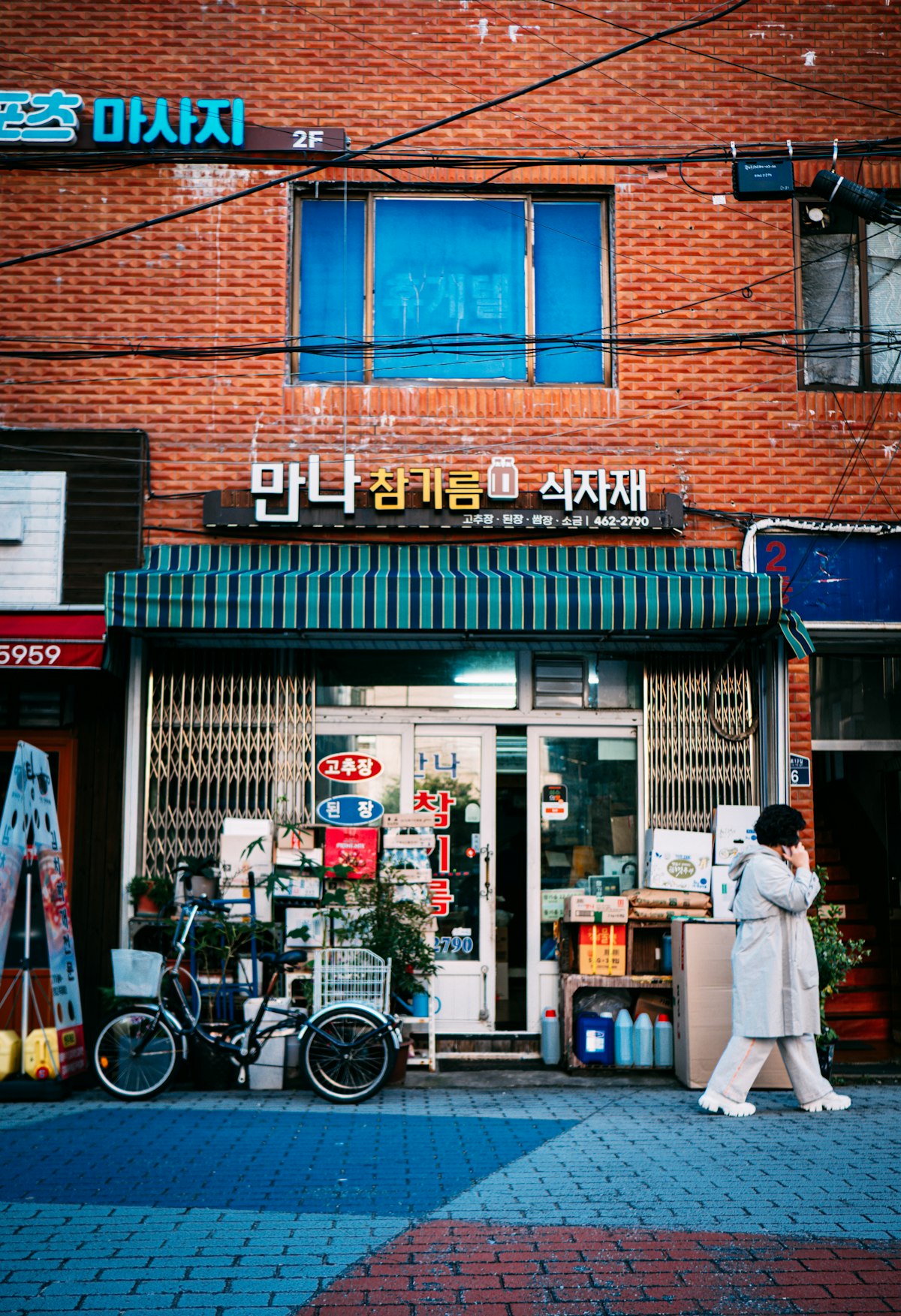

Preparing for a trip to South Korea involves endless exciting decisions, from picking the best K-bbq spots in Hongdae to planning day trips to Nami Island or Gyeongbokgung Palace. However, amidst all the excitement of booking flights and organizing itineraries, one crucial detail often gets overlooked until the last minute: power connectivity. Staying connected is essential for navigating foreign streets using Naver Map, translating menus with Papago, and snapping memories for social media. Arriving in Seoul with dead electronics and an incompatible charger is a nightmare every traveler wants to avoid.
South Korea operates on a distinct electrical infrastructure that differs significantly from North America, the United Kingdom, Australia, and parts of Asia. Knowing whether your smartphone, laptop, or curling iron requires a simple physical plug adapter or a heavy-duty voltage converter will save you money, protect your expensive devices, and prevent unnecessary stress during your vacation. This comprehensive guide covers everything international travelers need to know about South Korea’s plug types, electrical voltage, dual-voltage compatibility, and where to purchase last-minute adapters after arriving.
- Standard Voltage: 220 Volts at 60 Hz frequency throughout South Korea.
- Socket Types: Type C (un-grounded Europlug) and Type F (grounded Schuko plug).
- Adapter Requirement: Essential for travelers from the US, UK, Australia, and non-European plug regions.
- Voltage Converters: Needed only for single-voltage 110V appliances like hair dryers or curling irons.
- Smartphones & Laptops: Modern mobile devices are dual-voltage (100V-240V) and only need a plug adapter.
- Where to Buy: Daiso, local convenience stores (CU, GS25), Olive Young, and airport roaming counters.
Understanding South Korea’s Electrical System: Voltage and Frequency

When traveling internationally, power compatibility depends on two primary factors: voltage (measured in Volts, V) and socket design. South Korea uses a standard supply voltage of 220V with a frequency of 60Hz. If you are traveling from countries like the United States, Canada, Taiwan, or Japan, where the standard domestic voltage ranges between 100V and 120V, this represents a major technical difference. Connecting a 110V single-voltage electronic device directly into a 220V Korean socket will cause immediate overheating, potentially destroying the appliance, blowing a hotel circuit breaker, or creating a serious fire hazard.
Conversely, travelers visiting from Europe, the United Kingdom, Australia, New Zealand, or China are already accustomed to standard household voltage between 220V and 240V. For these visitors, electrical voltage conversion is not an issue, though physical plug shape adapters may still be required depending on the original plug design. Understanding these basic numbers before packing will help you determine exactly which electronics can safely travel with you across the Pacific or Atlantic without requiring special voltage transformers.
Type C vs. Type F Outlets: What Is the Difference?
South Korea primarily utilizes two closely related plug socket formats: Type C and Type F. Both feature round pin entries, but they have key structural differences that are worth noting for maximum safety and convenience during your stay.
Type C (commonly known as the Europlug) consists of two round, parallel pins measuring 4.0 mm in diameter. It is an ungrounded plug standard widely used throughout continental Europe. Type C plugs fit smoothly into Korean wall sockets, making them highly popular for lightweight portable items like phone chargers and small power banks.
Type F (often referred to as the German Schuko plug) also features two round prongs, but they are slightly thicker at 4.8 mm in diameter. Additionally, Type F plugs include two metal grounding clips located on the top and bottom edges of the plug head. These grounding clips match metal contacts inside Korean wall receptacles, offering vital protection against electrical surges and shocks. Because Korean wall outlets are recessed deeply into the wall to accommodate Type F plugs, thin Type C plugs will fit into Type F sockets without issue, but they may feel slightly loose. If you purchase an adapter specifically designed for Korea, look for a grounded Type F adapter to ensure a tight, secure fit.
Dual-Voltage vs. Single-Voltage Appliances: Protect Your Electronics
Before packing your bags, you must check the fine technical print on each electronic item or charger block. This small text reveals whether your device is dual-voltage or single-voltage. Look closely for the section marked ‘INPUT’, which clearly defines the acceptable electrical current limits.
If the label states ‘INPUT: 100-240V ~ 50/60Hz’, your device is dual-voltage. This means the internal power supply automatically adjusts to any voltage worldwide, including South Korea’s 220V system. Almost all modern personal electronics, including iPhones, Android smartphones, iPads, MacBooks, Windows laptops, digital cameras, Nintendo Switches, and portable battery packs, are built dual-voltage. For these items, you only need a simple, inexpensive physical plug adapter to transform your home country’s prong layout into the Korean Type C or F shape.
However, if the label explicitly reads ‘INPUT: 120V 60Hz’ or ‘INPUT: 110V’, your appliance is single-voltage. Common examples of single-voltage items brought by unsuspecting travelers include hair dryers, hair straighteners, curling irons, electric shavers, and travel kettles. Plugging a 110V single-voltage hair iron directly into a 220V Korean outlet will result in severe overheating, melted plastic, and permanent damage within seconds. To use a single-voltage 110V appliance safely, you would need a heavy, expensive step-down transformer. In almost all cases, it is far more practical to leave single-voltage hair tools at home and rely on hotel hair dryers or purchase an inexpensive dual-voltage styling tool locally.
Where to Buy Plug Adapters in Korea
If you forget to buy a travel adapter before boarding your flight, there is no need to panic. South Korea boasts one of the most convenient retail environments in the world, making plug adapters effortless to locate upon arrival.
Incheon International Airport (ICN) offers immediate solutions right after you clear customs. Convenience stores such as CU, GS25, and 7-Eleven located inside both Terminal 1 and Terminal 2 stock standard multi-plug adapters. Additionally, major telecom roaming desks (KT, SK Telecom, LG U+) located in the arrivals hall often lend travel adapters free of charge or for a nominal fee if you rent a local SIM card or pocket Wi-Fi router from their counter.
Once you arrive in downtown Seoul, Busan, or Jeju, your best destination for budget electronics is Daiso. Daiso stores are ubiquitous across Korean cities, usually located near major subway stations. At Daiso, you can purchase individual plug adapters or multi-country travel plugs for between 1,000 KRW and 5,000 KRW (approximately $0.75 to $3.75 USD). Neighborhood convenience stores and Olive Young health-and-beauty shops also stock basic travel plugs, ensuring you are never more than a few blocks away from a quick power fix.
Power Adapter vs. Voltage Converter: Comparison Guide
To help you understand the core differences between these two travel accessories, consult the quick breakdown below before finalizing your packing list:
| Feature | Plug Adapter | Voltage Converter |
|---|---|---|
| Primary Function | Changes physical prong shape to fit Korean wall sockets | Transforms electrical voltage level (e.g., 220V down to 110V) |
| Electrical Conversion | Does not alter electrical voltage or current frequency | Steps down higher voltage safely for single-voltage gear |
| Recommended For | Smartphones, laptops, cameras, dual-voltage appliances | Single-voltage high-draw items (hair dryers, curlers) |
| Size & Weight | Compact, pocket-sized, extremely lightweight | Heavy, bulky, contains solid internal transformer coils |
| Average Price Range | $1.00 – $10.00 USD (1,000 – 13,000 KRW) | $25.00 – $60.00 USD (33,000 – 80,000 KRW) |
Pro Tips for Tourists
- Bring a multi-port USB wall charger block so you can charge several phones, cameras, and battery packs simultaneously using just one Korean plug adapter.
- Check your hotel room before buying new gear, as many modern tourist hotels in Seoul and Busan feature built-in universal sockets and USB charging ports.
- Rent a portable Wi-Fi egg at Incheon Airport to keep your smartphones charged and connected on the go without constantly hunting for coffee shop outlets.
- Avoid high-wattage heating appliances like US hair curlers unless you are 100% certain they explicitly state dual-voltage 100-240V operation on the handle.
- Keep your travel adapters in your carry-on bag so you can easily access them during layovers or immediately upon landing at your accommodation.
Frequently Asked Questions
Can I use my US hair dryer in South Korea with just a plug adapter?
No, standard US hair dryers operate strictly on 110V-120V single voltage. Plugging a US hair dryer into a 220V Korean socket using only a physical plug adapter will burn out the heating element immediately and potentially short-circuit your room’s power breaker. Unless your hair dryer specifically states 100-240V on the handle, use the dryer provided by your hotel or Airbnb.
Are European plugs identical to Korean plugs?
European Type C plugs (Europlugs) fit standard Korean wall outlets perfectly. However, European Type F plugs with thicker 4.8mm pins offer a much tighter and safer fit in Korean recessed sockets than thinner Type C plugs (4.0mm). While standard Europlugs work fine for small devices, using a grounded Type F adapter provides maximum electrical stability.
Do Korean hotels provide travel adapters for international guests?
Most major international hotel chains and tourist hotels in South Korea lend adapters to guests at the front desk, sometimes requiring a small refundable cash deposit of around 5,000 to 10,000 KRW. However, budget hostels, traditional guesthouses, and Airbnb properties rarely provide adapters, so bringing your own is highly recommended.