
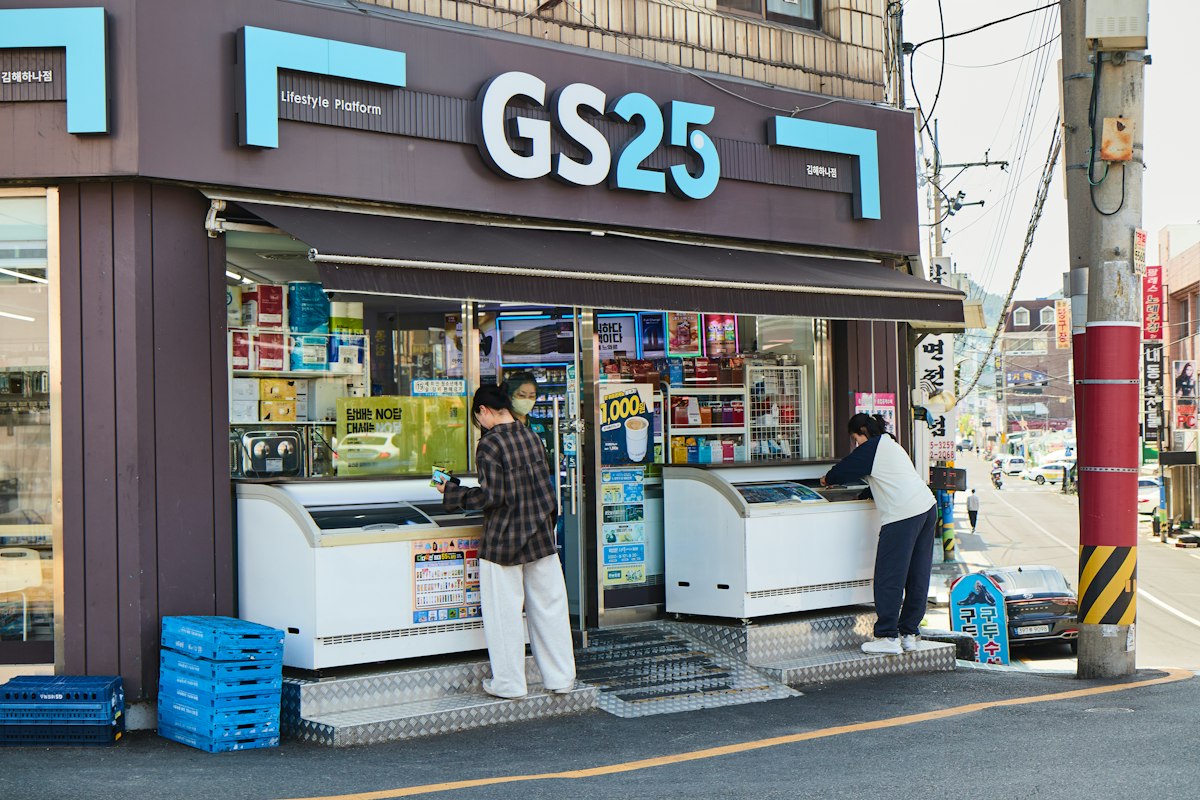

Stepping into a Korean convenience store—known locally as a pyeon-ui-jeom—is nothing like entering a standard corner shop back home. In South Korea, convenience stores are vibrant, 24/7 culinary hubs offering restaurant-quality boxed meals, creative snack combinations, velvety fresh desserts, and refreshing iced drinks. Whether you are navigating the bustling streets of Seoul late at night or looking for a quick, budget-friendly breakfast before a day of sightseeing, these neighborhood sanctuaries have you covered.
With major chains like CU, GS25, and 7-Eleven competing fiercely for food supremacy, the options can be overwhelming for first-time visitors. From celebrity-endorsed lunchboxes (dosirak) to viral TikTok drink hacks, this guide highlights the absolute best meals, snacks, and drink combinations you must try during your Korean adventure.
- CU: Famous for viral Yonsei Cream Buns, Baek Jong-won Dosirak lunchboxes, and thick cheese tteokbokki.
- GS25: Best for iconic Hyeja budget lunchboxes, Omori Kimchi Stew Ramen, and premium ice cup drink combos.
- 7-Eleven: Top pick for savory Katsu Sandwiches, spicy rice cakes, and artisanal triangular kimbap.
- Must-Try DIY Food Hacks: The viral Mark Meal (tteokbokki + ramen + string cheese + sausage) and pouch drinks over cup ice.
Why Korean Convenience Stores Are a Culinary Paradise

Unlike many Western convenience stores where hot food is limited to tired hot dogs, Korean convenience stores prioritize freshness, innovation, and taste. Fresh food shipments arrive twice daily, ensuring that rice dishes, sandwiches, and bakery items are delivered in peak condition. Furthermore, almost every store is equipped with high-powered microwaves, hot water dispensers for instant noodles, and dedicated dining counters complete with trash and recycling stations.
For international tourists, these stores offer an incredible window into contemporary Korean food culture at a fraction of restaurant prices. A satisfying, multi-course feast complete with a main meal, side dish, dessert, and beverage rarely costs more than 10,000 KRW (roughly $7 to $8 USD).
Top Food Picks by Major Convenience Store Chain
While all big three chains carry staples like instant ramen and banana milk, each brand has distinct flagship items that draw loyal followings. Here is what you should specifically target at each store.
1. CU (BGF Retail): The Dessert & Celebrity Meal Giant
CU is Korea’s largest convenience store chain by branch count and is widely celebrated for its bakery innovations and high-profile food collaborations.
- Yonsei Milk Cream Buns (연세우유 크림빵): This ultra-viral dessert features soft bread stuffed to the brim with rich, pillow-soft whipped cream. Flavors range from classic milk cream and chocolate to seasonal matcha and chestnut.
- Baek Jong-won Dosirak (백종원 도시락): Developed with Korea’s most famous celebrity chef, these multi-side-dish lunchboxes feature generous portions of spicy bulgogi, fried chicken, soy-marinated pork, and seasoned vegetables served over fluffy white rice.
- Giant Tteokbokki (자이언트 떡볶이): A instant microwavable cup of chewy rice cakes in a sweet and fiery red pepper sauce. It serves as the base for many famous convenience store recipe hacks.
2. GS25: The King of Savory Comfort Foods
GS25 is renowned among locals for offering some of the most authentic and hearty traditional Korean flavors in microwave-ready formats.
- Hyeja Dosirak (혜자로운 집밥): Endorsed by legendary actress Kim Hye-ja, this lunchbox series is famous in Korea for its phenomenal value-for-money, packing multiple meat mains, banchan (side dishes), and a drizzling of toasted sesame oil.
- Omori Kimchi Stew Ramen (오모리 김치찌개 라면): Unlike standard instant ramen with dry powder, this premium cup includes a sachet of actual real, aged fermented kimchi, yielding a deep, sour, and fiery broth.
- Crispy Hot Bar & Fried Chicken: Located right near the register, GS25’s heated display cases serve hot fried chicken skewers, cheese sausages, and fishcake skewers perfect for an on-the-go snack.
3. 7-Eleven: Sandwich Mastery & Unique Collaborations
7-Eleven in Korea operates similarly to Japanese convenience stores, excelling in fresh bakery sandwiches, specialty triangle kimbap, and unique fusion meals.
- Pork Cutlet Sandwich (Katsu Sando): Featuring thick, juicy breaded pork cutlets sandwiched between soft white bread with tangy brown sauce and sweet mayonnaise.
- Jeonju Bibimbap Triangle Kimbap (삼각김밥): Rice pre-seasoned with authentic bibimbap red pepper paste, stuffed with minced beef, and wrapped in crisp seaweed paper. Look for the double-stuffed varieties for extra filling.
- Yupdduk Spicy Rice Cake Cups: Official collaborations with famous spicy tteokbokki restaurant brands, allowing you to sample legendary street food spice levels right in your hotel room.
Iconic Korean Convenience Store Recipes & Drinks
Half the fun of eating at a Korean convenience store is constructing your own custom culinary creations using ready-made ingredients on the shelves.
1. The Viral “Mark Meal” (마크정식)
Originally created by a K-pop fan, this decadent comfort dish combines instant tteokbokki, instant cup spaghetti or ramen, a garlic-flavored hot bar sausage, and melted mozzarella string cheese. You prepare the tteokbokki and noodles, mix them together with cooked sliced sausage, top with shredded string cheese, and microwave for 1 minute until gooey and bubbly.
2. Pouch Drinks + Ice Cups
No trip to Korea is complete without trying the legendary ice cup drink combo. Head to the freezer aisle to grab a cup filled with crushed or cubed ice (around 800 to 1,000 KRW), then choose a liquid pouch from the drink rack. Options include sweetened iced americano, hazelnut coffee, peach ice tea, blue lemonade, and green grape ade. Pour the pouch over the ice for an instant, ice-cold refreshment.
Convenience Store Chain Quick Comparison
| Store Chain | Best Specialty Items | Average Meal Cost | Vibe / Best For |
|---|---|---|---|
| CU | Yonsei Cream Buns, Baek Jong-won Dosirak, Cheesy Tteokbokki | 5,000 – 8,000 KRW | Desserts, bakery innovations, and celebrity meals |
| GS25 | Hyeja Dosirak, Omori Kimchi Ramen, Fresh Fried Chicken | 4,500 – 7,500 KRW | Authentic Korean comfort flavors & hearty lunches |
| 7-Eleven | Katsu Sandwiches, Bibimbap Kimbap, Spicy Restaurant Collabs | 4,000 – 7,000 KRW | Quick sandwiches, snacks, and fusion rice dishes |
Pro Tips for Tourists
- Use Your Transit Card: You can pay for all convenience store items using your T-Money, NAMANE, or WOWPASS transportation cards.
- Look out for 1+1 and 2+1 Deals: Check product price tags for red or yellow tags marked “1+1” (Buy 1 Get 1 Free) or “2+1”. You can mix and match participating items for huge savings.
- Master the Microwave Etiquette: Microwave stations are self-serve. Most fresh food packages feature microwave duration times printed in seconds (e.g., 700W vs 1000W store models). Be sure to peel open packaging lids slightly before heating!
- Sort Trash Correctly: Convenience store dining areas have separated waste bins for general trash (일반 쓰레기), plastic containers (플라스틱), liquid/food waste (음식물), and recyclable cans. Drain broth into the designated liquid disposal sink before throwing away ramen cups.
- Pair Meals with Pickled Radish or Kimchi: You can purchase small individual pouches of sliced cabbage kimchi or yellow pickled radish (danmuji) in the refrigerated section to cut through rich or spicy food.
Frequently Asked Questions
How much does a full meal at a Korean convenience store cost?
A complete, satisfying meal consisting of a main dish (like a dosirak lunchbox or instant ramen bowl), a side snack (triangle kimbap or hot bar), a dessert, and an iced drink typically costs between 6,000 KRW and 10,000 KRW (approx. $4.50 to $7.50 USD), making it one of the most affordable dining options in Korea.
Can foreign tourists pay with international credit cards at CU, GS25, and 7-Eleven?
Yes, virtually all convenience stores in South Korea accept major foreign credit cards including Visa, Mastercard, and American Express, as well as contactless mobile payments like Apple Pay. You can also seamlessly pay using your T-Money or WOWPASS tourist cards.
Are there vegetarian or vegan options available at Korean convenience stores?
While meat and seafood dominate Korean convenience store foods, vegetarians can find plain salted rice balls (kimbap), soy milk, banana milk, fresh cut fruit, roasted sweet potatoes, boiled eggs, and select plant-based instant cup noodles clearly marked with vegan certification labels.