
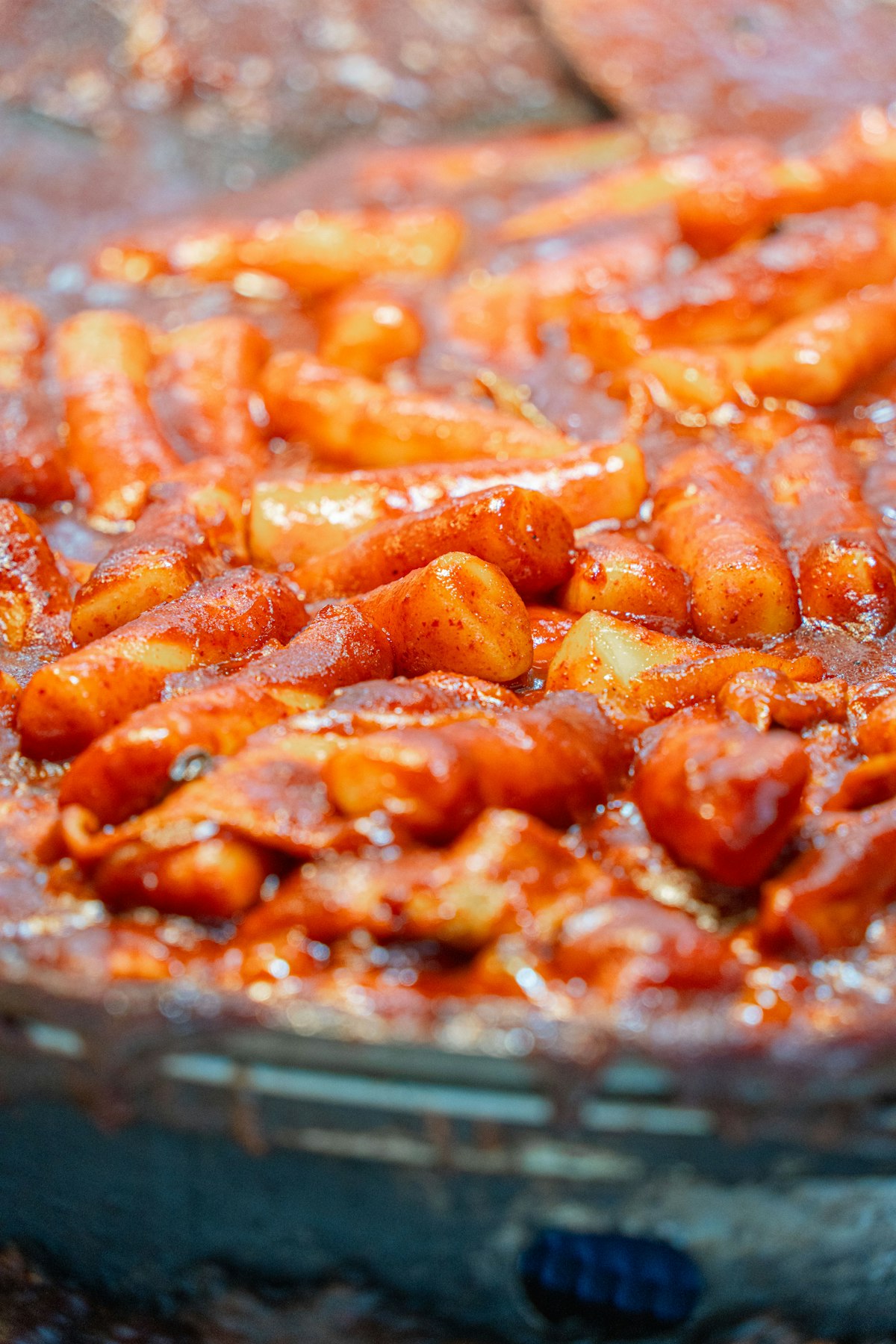

South Korea is globally celebrated for its rich culinary heritage, featuring sizzling samgyeopsal, crispy fried chicken, and savory seafood dishes. However, for international travelers adhering to vegetarian, vegan, or halal dietary requirements, embarking on a food journey in Seoul can initially feel daunting. Traditional Korean cooking heavily emphasizes pork, beef, fish sauce, anchovy stock, and bone broths, which are frequently integrated into dish bases unnoticed.
Fortunately, Seoul is undergoing a rapid culinary evolution. Driven by an influx of global tourists, a growing domestic interest in plant-based health, and an expanding Muslim travel market, South Korea’s capital has transformed into an increasingly accessible destination for travelers with dietary preferences. From official halal-certified Korean BBQ in Itaewon to ancient Buddhist temple dining offering pure plant-based feasts in Insadong, Seoul offers incredible dining experiences if you know where to look. This practical guide provides everything you need to navigate dietary choices in Seoul safely and confidently.
- Seoul features dedicated dining hubs: Itaewon for certified Halal choices and Insadong/Hongdae for vegetarian and vegan cuisine.
- Be cautious of hidden non-vegetarian ingredients like anchovy stock (myeolchi-yuksu), fish sauce, and salted shrimp paste in Kimchi.
- Look out for official certification logos from the Korea Muslim Federation (KMF) and Korea Vegan Union.
- Use dietary phrase cards in Korean and localized map applications to easily locate verified restaurants.
Navigating Seoul’s Culinary Landscape as a Traveler

Understanding how dietary requirements intersect with Korean food culture is essential for a stress-free trip. Traditionally, Korean dining is communal, centered around shared stew pots, grilled meats, and an array of banchan (side dishes). Because strict vegetarianism and halal dietary concepts were historically uncommon in mainstream dining culture, restaurant staff might not immediately recognize cross-contamination or hidden animal derivatives.
To assist international visitors, the Korea Tourism Organization (KTO) classifies dietary-friendly eateries across South Korea into distinct categories: Halal Certified, Muslim Friendly, Pork-Free, and Vegetarian Friendly. Recognizing these official distinctions and learning basic culinary terms allows you to explore Seoul’s culinary landscape without sacrificing peace of mind.
Understanding Hidden Ingredients in Korean Cuisine
The primary challenge for plant-based and halal travelers in Seoul is identifying hidden animal products in dishes that appear vegetarian on the surface. Many standard preparations use animal broths or fermented seafood seasonings during cooking.
Common Non-Vegetarian & Non-Halal Staples
1. Anchovy Broth (Myeolchi-Yuksu): This light fish stock forms the liquid base for soups, noodle dishes like Kalguksu, and even popular street foods such as spicy Tteokbokki sauce.
2. Fish Sauce & Salted Shrimp (Saeujeot): Standard house-made Kimchi is fermented with salted shrimp paste or anchovy sauce. Unless explicitly labeled vegan or halal, side dish Kimchi almost always contains seafood extracts.
3. Bone Broths (Sagol-Yuksu): Soft tofu stew (Sundubu Jjigae) and soybean paste stew (Doenjang Jjigae) frequently rely on beef or pork bone broth to establish deep flavor profiles.
4. Cooking Alcohol & Lard: Certain stir-fries and meat marinades utilize mirin (cooking wine) or plum wine, while savory pancakes (Jeon) are occasionally fried in pork fat.
Top Neighborhoods for Dietary-Friendly Dining in Seoul
While dietary-conscious choices are spreading throughout Seoul, specific districts stand out for their density of reliable, high-quality dining spots.
Itaewon and Usadan-gil (Halal Capital)
Anchored by the majestic Seoul Central Mosque, Itaewon is the undisputed center for halal food in South Korea. The surrounding Usadan-gil street is packed with KMF-certified Korean BBQ restaurants where travelers can enjoy authentic bulgogi, samgyeopsal style halal beef, and Korean fried chicken. Additionally, you will find exceptional Middle Eastern, Turkish, Indian, and Malaysian establishments along this vibrant hillside corridor.
Insadong and Anguk (Traditional Temple Cuisine)
Insadong is Seoul’s heritage district, celebrated for ancient alleyways, tea houses, and traditional crafts. It is also the focal point for Korean Buddhist Temple Cuisine (Sachal Emsik). Prepared strictly according to Zen Buddhist tenets, temple cuisine is entirely plant-based and avoids five pungent herbs (garlic, green onions, leeks, chives, and onions). Venues like Michelin-starred Balwoo Gongyang deliver refined multi-course meals celebrating natural wild herbs and long-aged fermented pastes.
Hongdae and Yeonnam-dong (Modern Plant-Based Hub)
The youthful university district of Hongdae and neighboring Yeonnam-dong are at the forefront of Seoul’s modern vegan lifestyle movement. Here, international visitors will find trendy plant-based bakeries, Western-style vegan bistros, smoothie bowl cafes, and modern Asian fusion spots serving veganized versions of classic Korean comfort foods.
Comparing Popular Korean Dishes & Adaptations
Refer to this handy guide when dining out to understand standard preparations and safe alternatives:
| Dish Name | Standard Preparation | Dietary Concern | Safe Alternative |
|---|---|---|---|
| Bibimbap | Mixed rice with cooked vegetables, egg, and minced beef. | Contains minced meat; fried egg cooked on shared griddles. | Request Yachae (Vegetable) Bibimbap without meat or egg. Gochujang paste is generally vegan. |
| Tteokbokki | Rice cakes cooked in spicy red pepper paste with fish cakes. | Sauce frequently uses anchovy broth base; fish cakes contain seafood. | Visit specialized vegan street food stalls or halal-certified eateries in Itaewon. |
| Kimbap | Seaweed rice rolls filled with pickled radish, egg, crab stick, ham. | Contains ham, processed crab meat, and egg. | Order Yachae (Vegetable) Kimbap and clearly ask to exclude ham (ham-eun ppae-juseyo). |
| Sundubu Jjigae | Spicy soft tofu stew served bubbling in an earthenware pot. | Usually made with beef stock, clams, or anchovy base. | Dine at designated vegetarian restaurants using kelp-based (dashima) broths. |
Pro Tips for Tourists
- Save Essential Korean Phrases: Save key visual phrase cards on your phone. Saying “Gogi ppae-juseyo” (Please leave out the meat) or showing “Chaesikjuuija-imnida” (I am vegetarian) helps clarify your needs quickly.
- Look for Official Logos: KMF-certified halal spots display a green circular Korean Muslim Federation symbol. Vegan venues display official certifications on storefront entrances.
- Leverage Convenience Stores Smartly: Local convenience stores like CU, GS25, and Seven-Eleven stock clear allergen labels. Look for fresh banana milk (certified halal in specific lines), plain baked sweet potatoes, steamed corn, and clear vegetable-only rice triangles.
- Use Local Apps: Naver Map and KakaoMap allow you to bookmark halal and vegan locations found via travel forums, offering superior walking directions compared to non-local navigation apps.
- Explore Temple Food Experiences: Schedule a temple stay or book lunch at a temple cuisine venue near Jogyesa Temple for guaranteed 100% plant-based Korean gastronomy.
Frequently Asked Questions
Is street food in Seoul safe for vegetarian and halal diets?
Many street stalls use shared cooking surfaces and cross-contaminate oil with pork or seafood products. However, items like roasted sweet chestnuts, grilled corn, hotteok (sweet cinnamon pancakes cooked in vegetable oil), and bungeoppang (red bean pastry) are generally safe choices. Always ask vendors directly regarding cooking oils and batter ingredients.
Can I find halal-certified Korean BBQ in Seoul?
Yes! The Itaewon neighborhood near Seoul Central Mosque features several accredited KMF halal-certified Korean barbecue restaurants. These venues serve halal-inspected beef and chicken prepared on clean grills, providing an authentic Korean table-barbecue experience.
How do I explain my dietary restrictions if staff do not speak English?
The most reliable method is using smartphone translation tools like Papago to display dietary cards written in clear Korean. Explicitly stating which ingredients you cannot eat (such as meat broths, fish sauce, or lard) is far more effective than relying on general English terms.