
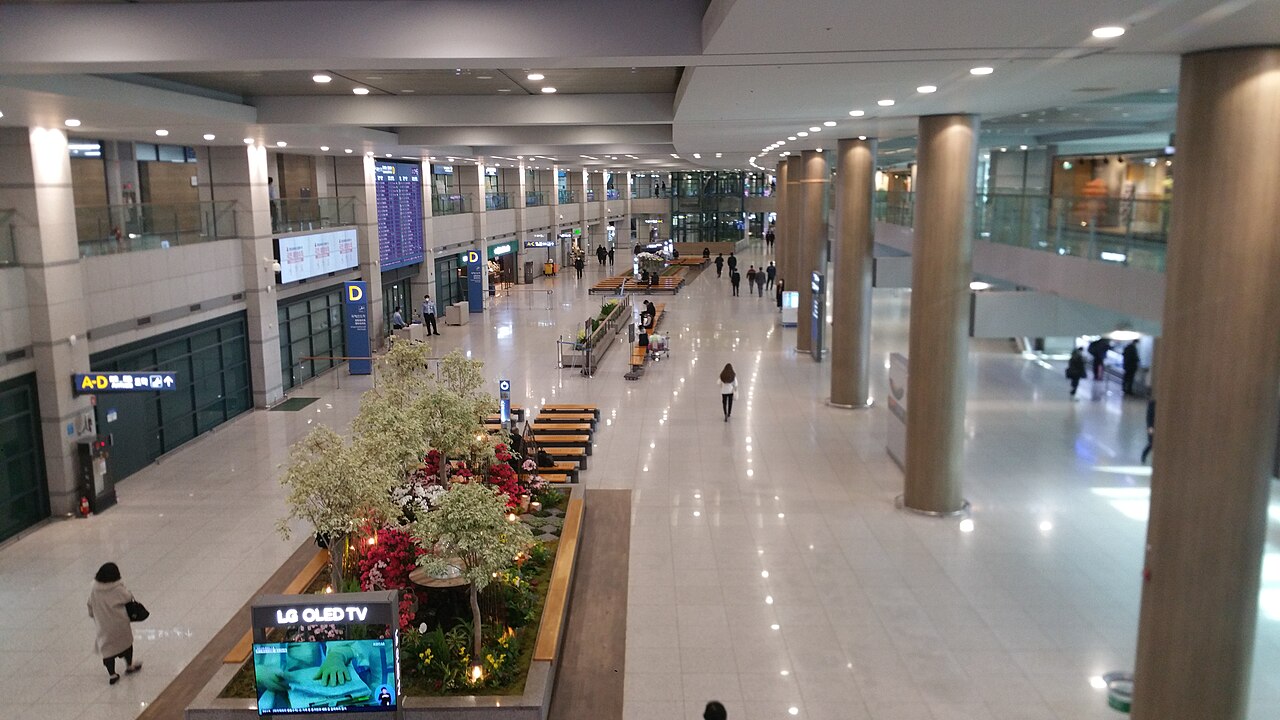

Landing at Incheon International Airport (ICN) is an exhilarating milestone for any trip to South Korea. Once you clear passport control, collect your luggage, and step through into the bustling arrivals hall of Terminal 1 or Terminal 2, your journey officially begins. However, as you prepare to head into downtown Seoul, an immediate practical question arises: should you secure a SIM card, eSIM, or Pocket Wi-Fi unit before leaving the airport, or can it wait until you reach your hotel?
The quick answer for almost every foreign visitor is a firm yes: getting your connectivity sorted at Incheon Airport is infinitely easier and more reliable than trying to navigate local phone shops in Seoul without working mobile data. Having instant mobile internet ensures you can navigate complex subway stations, translate Korean signage, and hail taxis the moment you exit the airport doors.
- Essential for Navigation: Free airport Wi-Fi disappears once you board express trains or buses; cellular data is required for local mapping apps like Naver Map and KakaoMap.
- Airport Pickup is Faster: Collecting physical SIMs or Pocket Wi-Fi devices in the Incheon arrivals hall takes minutes, whereas finding English-speaking retail shops in Seoul can waste valuable sightseeing time.
- eSIM for Maximum Ease: Travelers with unlocked modern smartphones can activate an eSIM online before departure and bypass counter pick-ups entirely upon arrival.
- Local Korean Phone Numbers: Choosing a SIM plan with an incoming 010 mobile number is crucial if you intend to make local restaurant reservations or use ride-hailing apps like Kakao T.
Why Mobile Connectivity is Essential the Moment You Leave Incheon Airport

Many international travelers assume that relying on public Wi-Fi and familiar mapping tools like Google Maps will be sufficient for their trip. However, South Korea presents a unique technological environment that makes immediate cellular data essential right out of the airport gate.
First, due to national security map-data regulations, Google Maps does not offer turn-by-turn walking or driving navigation in South Korea. To find your hotel, locate restaurants, or check real-time subway transfers, you must use Korean navigation apps such as Naver Map or KakaoMap. These localized apps require uninterrupted cellular connection to update live train arrivals, pedestrian walking routes, and bus schedules.
Second, while Incheon Airport provides high-speed public Wi-Fi inside its terminals, that connection drops as soon as you step outside to board an Airport Limousine Bus, taxi, or the Airport Railroad Express (AREX). Public Wi-Fi spots across Seoul subway stations or cafes often require Korean phone number authentication or local carrier access, making them unreliable when you are navigating with heavy luggage in an unfamiliar city.
Comparing Your Options: Physical SIM, eSIM, or Pocket Wi-Fi?
When setting up your mobile internet at Incheon Airport, foreign tourists generally choose between three primary options. Understanding the differences helps you pick the option best suited for your travel style and device setup.
1. Prepaid Physical Tourist SIM Card
A prepaid physical tourist SIM card remains the most popular choice for solo travelers and couples. Korea’s top telecommunications giants—SK Telecom (SKT), KT (Korea Telecom), and LG U+—operate dedicated English-friendly service counters throughout the arrival halls in both Terminal 1 and Terminal 2.
Tourist SIM cards feature unlimited high-speed 4G LTE or 5G data packages spanning from 1 day up to 30 days. Most options include a dedicated local 010 Korean phone number. Having a local number allows you to receive incoming calls and SMS verification codes, which are frequently needed when making restaurant reservations via CatchTable or booking rides through Kakao T.
2. Tourist eSIM (Digital SIM)
If you own an unlocked, eSIM-compatible device (such as an iPhone XS or newer, or recent Samsung Galaxy models), purchasing a digital eSIM offers unmatched convenience. You can purchase your eSIM online prior to traveling and install the digital profile using airport Wi-Fi immediately after landing.
The major benefit of an eSIM is that you bypass physical counter lines entirely and avoid the risk of losing your original home SIM card. However, keep in mind that many budget tourist eSIMs offer data-only service without an active voice calling number, so verify your package details if you require phone calls.
3. Pocket Wi-Fi Router (Wi-Fi ‘Egg’)
Pocket Wi-Fi devices, locally known as “Wi-Fi Eggs,” are compact portable hotspot routers that broadcast a private Wi-Fi network. Renting a Pocket Wi-Fi router at Incheon Airport is ideal for families or small travel groups sharing data across multiple phones, tablets, and laptops.
A single portable router can connect up to 3 to 5 devices simultaneously, making it a very economical solution. The trade-offs are that you must carry and recharge the device daily, maintain close proximity to the group, and return the router to the airport counter before flying home.
Tourist Connectivity Options Compared
To help you evaluate which connectivity path best matches your travel itinerary, here is a breakdown of key attributes:
| Option | Pros | Cons | Best For |
|---|---|---|---|
| Physical Tourist SIM | Includes 010 phone number; stable high-speed data; wide compatibility | Requires physical swap; counter pickup needed | Solo travelers & visitors needing local calls/reservations |
| Tourist eSIM | Instant online setup; keep home SIM active; no counter queue | Requires carrier-unlocked phone; often data-only | Tech-savvy travelers seeking immediate airport exit |
| Pocket Wi-Fi (Egg) | Connects 3–5 devices; cost-effective for groups; reliable speeds | Must recharge daily; group must stay together; return required | Families and groups traveling together with multiple devices |
Where to Pick Up Your Telecom Setup at Incheon Airport
Locating telecom counters at Incheon Airport is stress-free, as major Korean carriers operate large service desks right inside the arrivals halls after customs exit gates in both terminals.
Incheon Terminal 1: Head to the 1st Floor Arrivals Hall. Counters for SK Telecom, KT, and LG U+ are situated near Exit 6, Exit 7, Exit 10, and Exit 11. While standard counter hours are roughly 6:00 AM to 10:00 PM, each carrier maintains designated 24-hour service desks to accommodate late-night or early-morning flights.
Incheon Terminal 2: Located on the 1st Floor Arrivals Hall, customer service booths for major providers sit prominently between Exits 2–3 and Exits 4–5. T2 also hosts 24-hour desks for overnight landers.
If you pre-book your SIM or Pocket Wi-Fi through travel portals like Klook, KKday, or Trazy, simply show your digital reservation voucher along with your passport at the designated counter. The staff will quickly hand over your package and help test your connection on the spot.
Pro Tips for Tourists
- Unlock Your Phone First: Contact your home mobile carrier before your flight to ensure your smartphone is carrier-unlocked. Locked devices will refuse foreign SIM cards.
- Bring Your Physical Passport: Korean telecommunication regulations require passport identification verification for all tourist prepaid SIM activations.
- Pre-Download Essential Apps: Install Naver Map, KakaoMap, Papago (for text and voice translation), and Kakao T before stepping out of the airport terminal.
- Ejector Pin Preparation: Keep a small SIM tray ejector tool or paperclip inside your carry-on bag if you plan to swap physical SIM cards at the airport.
- Pre-Book Online for Savings: Pre-ordering your SIM card or Wi-Fi Egg online usually offers noticeable discounts compared to walk-up desk purchases.
Frequently Asked Questions
Can I buy a SIM card at Incheon Airport late at night or early in the morning?
Yes, major telecommunications providers (SK Telecom, KT, and LG U+) operate designated 24-hour arrival counters in both Terminal 1 and Terminal 2. Even if your flight arrives after midnight or before dawn, you will find open counters to collect pre-booked SIM cards or rent Pocket Wi-Fi units.
Will Google Maps work in Korea if I have a Korean SIM card?
While a Korean SIM card provides fast internet access, Google Maps functionality remains limited in South Korea due to national mapping data restrictions. Google Maps can show basic transit paths, but it lacks turn-by-turn walking or driving directions. Having mobile data allows you to seamlessly use localized apps like Naver Map or KakaoMap instead.
Is public airport Wi-Fi enough to get me to my Seoul hotel without buying a SIM?
While Incheon Airport Wi-Fi works well inside the terminals, you will lose signal as soon as you board the AREX express train, subway, or airport limousine bus. Unless you have offline maps or detailed static directions, navigating transit hubs like Seoul Station or locating your hotel without active data can be difficult. Securing cellular connectivity at the airport guarantees a smooth, stress-free transfer.