
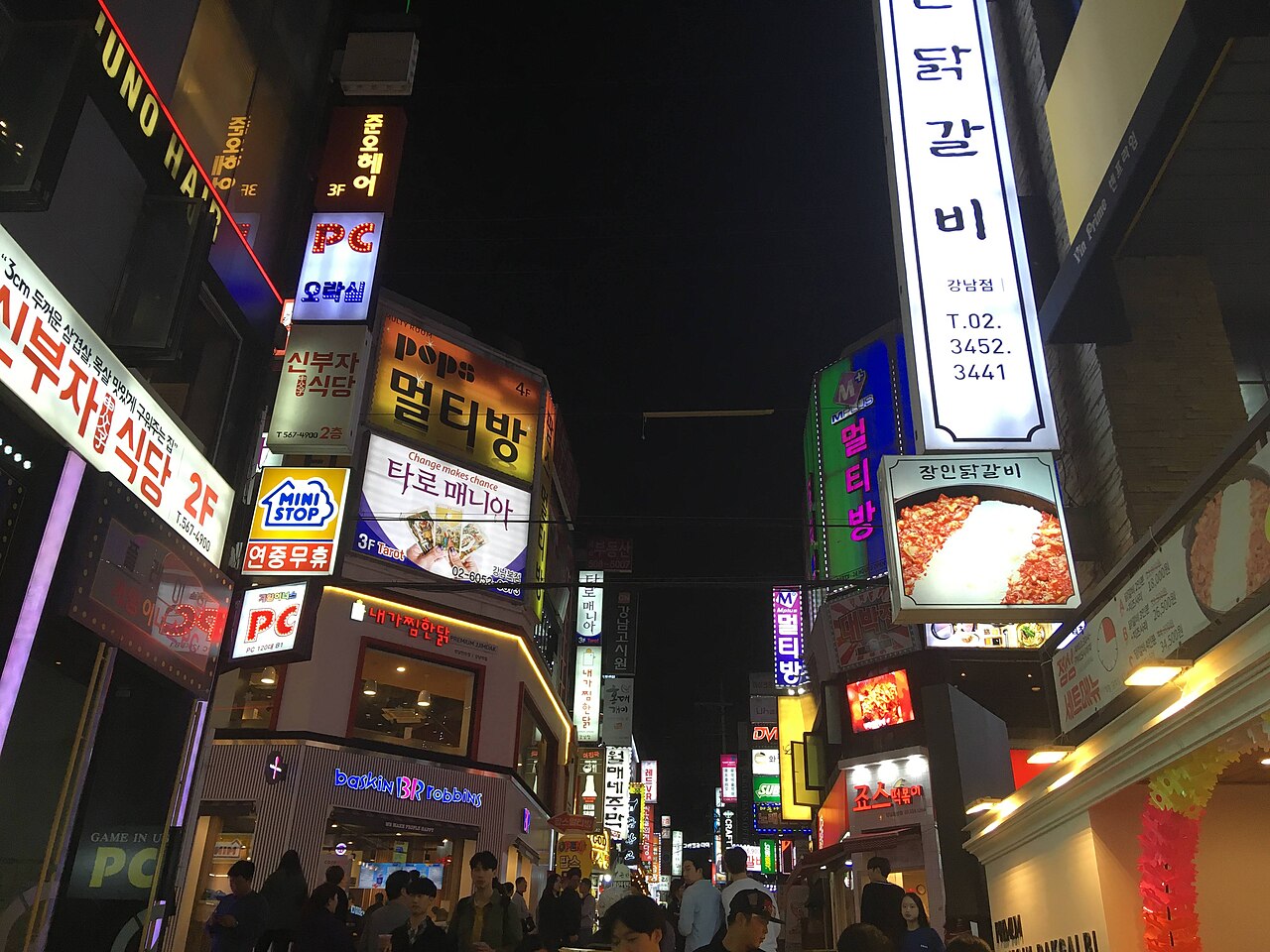
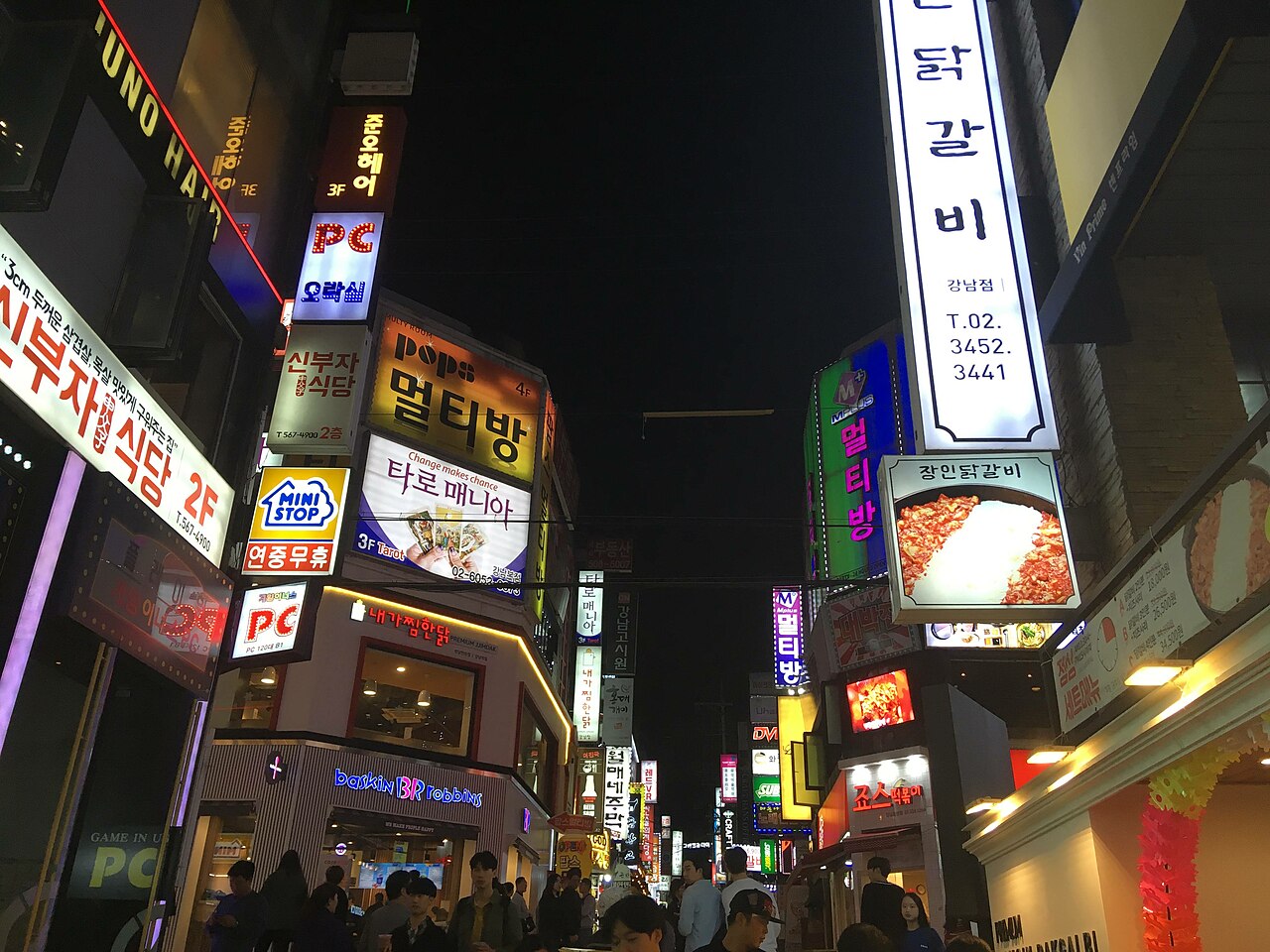
Nestled along the eastern stretch of the Han River, Seongsu-dong has rapidly emerged as Seoul’s most dynamic and stylish neighborhood. Once dominated by shoe factories, auto repair shops, and printing presses in the late 20th century, this former industrial district has undergone a dramatic cultural renaissance. Today, Seongsu-dong is globally celebrated as the “Brooklyn of Seoul,” a thriving enclave where urban grit seamlessly blends with architectural innovation, artisan coffee culture, and avant-garde street fashion.
For international travelers visiting South Korea, Seongsu-dong offers a refreshing contrast to the high-rise glamour of Gangnam and the traditional palace grounds of Jongno. Here, red-brick factory facades remain intact, but their interiors house expansive flagship fashion boutiques, immersive pop-up stores, multi-story art galleries, and modern coffee roasteries. Whether you are an avid café hopper, a fashion enthusiast seeking trendsetting streetwear, or a photographer hunting for rustic charm, Seongsu-dong deserves a prime spot on your Seoul travel itinerary.
- Vibe: Industrial hip, creative, fashion-forward, and artistic.
- Main Highlights: Converted warehouse cafes, global flagship pop-up stores, handmade leather shoe street, and Seoul Forest Park.
- How to Get There: Seongsu Station (Seoul Subway Line 2) or Seoul Forest Station (Suin-Bundang Line).
- Dress Code: Trendy, effortless streetwear paired with comfortable walking shoes.
- Best Time to Visit: Weekday afternoons to beat the local weekend crowds.
The Industrial Heritage of Seongsu-dong

Understanding Seongsu-dong requires a brief look into its fascinating history. Beginning in the 1960s, the district became a key manufacturing hub for Seoul, housing hundreds of small shoe factories, metalwork shops, and leather tanneries. By the 1990s, more than 80% of South Korea’s handmade shoes were crafted right in this area. As heavy manufacturing shifted elsewhere in the 21st century, many warehouses stood vacant, leaving behind a distinctive architectural canvas of distressed brickwork, corrugated iron, and spacious open floors.
Instead of demolishing these structure, local artists, designers, and entrepreneurs recognized their raw potential. Starting in the mid-2010s, visionaries began repurposing these industrial spaces into creative hubs. The original concrete beams, weathered brick walls, and industrial iron doors were preserved, giving rise to an aesthetic known in Korea as “industrial chic.” This thoughtful adaptive reuse has allowed Seongsu-dong to retain its historical authenticity while redefining modern Korean street culture.
Must-Visit Warehouse Cafes and Concept Spaces
Seoul’s cafe culture is legendary, but Seongsu-dong takes it to a whole new level. Cafes here are not just places to grab a quick espresso; they are massive multi-sensory venues that blend specialty coffee, interior design, and visual art.
Café Onion Seongsu
Perhaps the most iconic representation of Seongsu’s aesthetic, Café Onion is housed in a renovated 1970s metal structure that previously served as a metal factory and supermarket. The designers intentionally kept peeled paint, exposed steel girders, and rusted gates, overlaying them with modern glass walls and minimal seating. Guests can enjoy freshly baked Pandoro pastries and single-origin pour-overs while relaxing on the open-air rooftop overlooking the bustling streets.
Daelim Changgo (Daelim Warehouse)
Once a rice mill and later a shoe factory warehouse, Daelim Changgo is a sprawling complex that effectively sparked Seongsu-dong’s warehouse transformation. Behind its towering wooden barn doors lies a massive, light-filled space featuring high vaulted ceilings, translucent skylights, indoor trees, and kinetic art installations. It functions as a café, restaurant, and contemporary art gallery where visitors can sip handcrafted coffees while admiring large-scale sculptures and paintings.
LCDC Seoul
LCDC Seoul (Le Conte Des Contes) is a modern architectural masterpiece that repurposes former auto repair workshops into a sleek multi-brand cultural complex. Featuring a minimalist concrete courtyard surrounded by boutique shops, a curated stationery store, a cozy café, and a rooftop bar, LCDC is ideal for travelers looking for indie Korean lifestyle goods and high-end aesthetics.
Shopping, Pop-Up Culture, and Streetwear
Seongsu-dong is currently the undisputed pop-up store capital of East Asia. Major international luxury brands, tech giants, and trendsetting domestic indie fashion labels lease vacant warehouse lots to launch temporary, highly immersive experiential concepts that change weekly or monthly. Walking through Seongsu felt like exploring an open-air museum where every corner reveals interactive photo zones, exclusive brand merchandise, and creative installations.
Fashion lovers shouldn’t miss the flagship store of Dior Seongsu, an architectural marvel built entirely of glass arches that pays homage to Christian Dior’s historic Paris headquarters. Nearby, flagship boutiques for local Korean brands like Ader Error (famous for its otherworldly space-themed store design) and Tamburins offer unique retail experiences that feel more like modern art exhibits than traditional clothing stores.
What to Wear in Seongsu-dong: Dress Code and Outfit Tips
Seongsu-dong is one of the most fashion-forward districts in South Korea. Locals and fashion-savvy tourists visit the area turned out in impeccably styled outfits, making it a hotspot for street style photography. If you want to blend in and feel comfortable while snapping photos against rustic brick backdrops, aim for a style described as elevated, effortless streetwear.
The key to dressing for Seongsu-dong is balancing style with practicality. You will be doing a substantial amount of walking along paved alleys, uneven brick pathways, and concrete cafe floors, so comfortable yet stylish footwear is non-negotiable. Below is a seasonal guide to dressing for Seongsu-dong throughout the year.
| Season | Recommended Style & Apparel | Footwear & Accessories |
|---|---|---|
| Spring (March – May) | Oversized blazers, light trench coats, wide-leg trousers, tailored denim, and layered casual shirts. | Retro chunky sneakers, loafers, cross-body leather bags, and sleek sunglasses. |
| Summer (June – August) | Breathable linen shirts, boxy cotton t-shirts, relaxed cargo pants, and minimalist slip dresses. | Design-forward sandals or breathable mesh sneakers, bucket hats, and lightweight tote bags. |
| Autumn (Sept – Nov) | Leather jackets, wool overcoats, ribbed knits, earth-toned cardigans, and dark denim. | Ankle boots, platform sneakers, stylish beanies, and structured tote bags. |
| Winter (Dec – Feb) | Long padded down jackets (long-padding), heavy wool coats, fleece-lined trousers, and thermal turtlenecks. | Insulated boots or thick-soled sneakers, wool scarves, and heattech innerwear. |
Pro Tips for Tourists
- Visit on Weekday Mornings: Seongsu-dong becomes extremely crowded with local youth on weekend afternoons. To explore cafes peacefully and take clean photos, plan your visit for Tuesday through Thursday around 11:00 AM.
- Download Naver Map or KakaoMap: Google Maps does not provide foot walking navigation in South Korea. Naver Map offers accurate English directions to hidden alley cafes and pop-up stores.
- Combine with Seoul Forest: Seongsu-dong is immediately adjacent to Seoul Forest Park, a massive urban park perfect for a relaxing walk, deer feeding, and seasonal foliage viewing.
- Prepare for Pop-up Waiting Systems: Popular pop-up stores often use digital queueing systems. Arrive early at high-profile pop-ups to register your phone number or tablet reservation.
- Carry Credit Cards: Almost every business in Seongsu-dong, from high-end boutiques to small coffee shops, accepts international credit cards. Cash is rarely required.
Frequently Asked Questions
How do I get to Seongsu-dong using the Seoul Subway?
Take Seoul Subway Line 2 (Green Line) and exit at Seongsu Station (Exits 3 and 4 lead directly into the main warehouse and cafe streets). Alternatively, you can take the Suin-Bundang Line to Seoul Forest Station (Exit 5) if you wish to explore Seoul Forest Park first before walking into the main shopping district.
How much time should I spend in Seongsu-dong?
Plan to spend at least 4 to 6 hours in Seongsu-dong. This gives you enough time to explore two iconic cafes, browse flagship stores and street pop-ups, have dinner at a local Korean eatery, and take a stroll through neighboring Seoul Forest.
Is Seongsu-dong suitable for family trips with children?
Yes, Seongsu-dong is family-friendly. While the area is widely known for trendy youth culture, the wide flat streets, green outdoor spaces at Seoul Forest Park, and spacious family-friendly bakery cafes like Café Onion make it an enjoyable neighborhood for travelers of all ages.