

Whenever visiting friends tell me they want to see “historical Korea” outside Seoul, they usually default to asking about the DMZ or Nami Island. I almost always redirect them south to Suwon instead. Just an hour outside the capital sits Suwon Hwaseong Fortress, a UNESCO World Heritage site built in the late 18th century by King Jeongjo. It is not a dusty, fenced-off relic; it is a living, breathing stone fortification winding across 5.7 kilometers of hills, vibrant neighborhood cafes, and bustling market streets.
I still remember my very first trip there five autumns ago. Fresh off the plane and stubbornly overconfident, I hopped on Seoul Subway Line 1, completely unaware that the line splits south of Guro. I wound up heading toward Incheon instead of Suwon and lost an hour watching apartment towers blur past before realizing my mistake. Five years later, I have made this trip in every season, guided dozens of visiting family members along its battlements, and consumed an embarrassing amount of fried chicken along the famous Suwon Chicken Street. Here is my complete, battle-tested guide to getting to Suwon and exploring Hwaseong Fortress the smart way.
- Fastest Route: Mugunghwa or ITX train from Seoul Station or Yongsan Station to Suwon Station (30–35 minutes, ~3,000–5,000 KRW / $2.25–$3.75 USD).
- Budget Route: Seoul Subway Line 1 (approx. 45–60 minutes, ~2,000 KRW / $1.50 USD). Ensure the train headsign says Sinchang, Cheonan, or Seodongtan.
- Top Highlights: Walking the Janganmun to Hwahongmun wall section, Hwaseong Haenggung Temporary Palace, and the Flying Suwon helium balloon at sunset.
- Must-Eat: Suwon Wang-galbi (King Ribs) or Wang-galbi Fried Chicken on Chicken Street.
- Time Needed: 5 to 7 hours for a relaxed day trip including transit and lunch.
How to Get to Suwon from Seoul: Trains vs. Subway

You have two primary public transit choices to reach Suwon: the regional rail network (Korail) or the regular metropolitan subway. Most first-timers default to the subway because they already hold a T-money transit card. While that works, my go-to choice is almost always the regular train. It costs only slightly more than a convenience store iced latte and cuts your transit time in half while guaranteeing a comfortable, reserved seat.
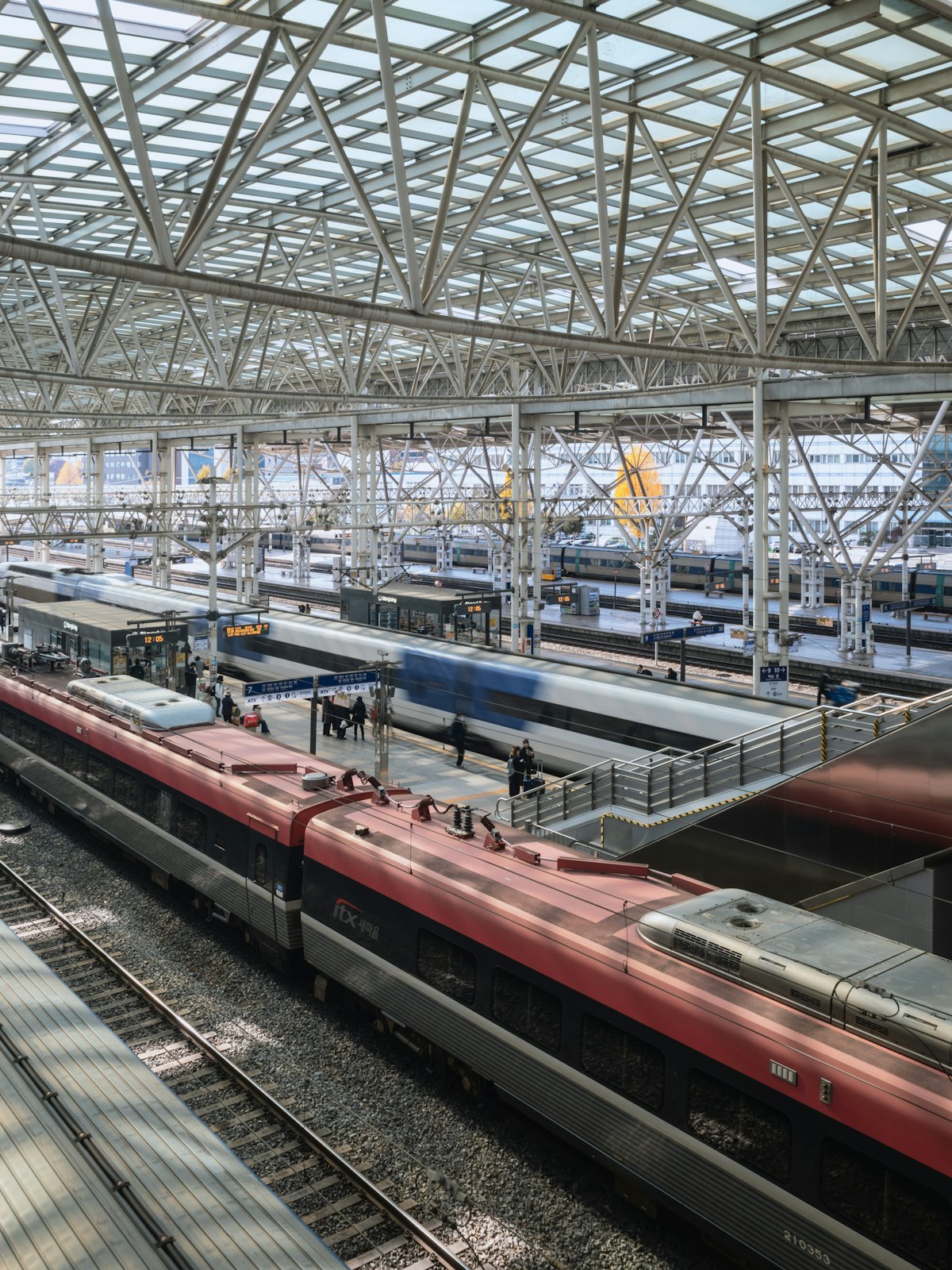
If you take the Korail train, book a ticket for the Mugunghwa or ITX-Saemaeul departing from either Seoul Station or Yongsan Station. You can purchase these tickets directly on the official Korail website (LetsKorail) or at station ticket machines. If you decide to ride Seoul Subway Line 1 instead, pay close attention to the platform signs: skip trains marked for Incheon or Gwangmyeong. Look for southbound trains terminating at Seodongtan, Cheonan, or Sinchang, and try to catch an Express (Geup-haeng) service to bypass smaller local stops.
| Transit Option | Departure Hub | Travel Time | Cost (KRW / USD) | Expat Verdict |
|---|---|---|---|---|
| Mugunghwa Train | Seoul or Yongsan Station | 30–35 min | ~2,700–3,000 KRW ($2.10–$2.30) | Best overall value; reserved seating, fast, and comfortable. |
| ITX-Saemaeul Train | Seoul or Yongsan Station | 30 min | ~4,800 KRW ($3.60) | Sleek and quiet; great fallback if Mugunghwa tickets sell out. |
| Subway Line 1 (Express) | Seoul Station, City Hall, etc. | 45–55 min | ~2,000 KRW ($1.50) | Convenient T-money tap, but often crowded with no seat guarantee. |
| KTX (High-Speed) | Seoul Station | 25–30 min | ~8,400 KRW ($6.30) | Barely faster on this stretch; skip the extra cost unless schedules demand it. |
Once you step out of Suwon Station (Exit 4 or 9), you are still about 2.5 kilometers away from the fortress gates. Do not try to walk this segment—it is mostly generic urban commercial sprawl. Head directly to the bus stop outside Exit 9 and board local bus #11, #13, or #35. Tap your T-money card, ride for about 10 minutes, and get off at Paldalmun Gate or Hwaseong Haenggung. Alternatively, grab a taxi via the Kakao T app; the fare typically runs around 5,000 to 6,000 KRW ($3.80 to $4.50 USD).
What to See: The Ultimate Fortress Itinerary
Circumnavigating the entire 5.7-kilometer fortress wall takes roughly three to four hours of brisk walking, with plenty of steep inclines around Mount Paldalsan. Unless you are treating this as an athletic workout, I advise against doing the full loop in one go. Instead, focus on the most scenic and culturally rich stretch, paired with historic palace grounds.
1. Hwaseong Haenggung (The Temporary Palace)
Start your morning at Hwaseong Haenggung, nestled right at the base of Paldalsan hill. This was King Jeongjo’s residence when visiting his father Crown Prince Sado’s tomb, and it served as a secondary administrative hub during wartime. Admission is modest at 1,500 KRW ($1.15 USD). While smaller than Gyeongbokgung or Changdeokgung in central Seoul, Haenggung feels noticeably more intimate and relaxed. If you arrive around 11:00 AM on weekdays or Saturdays from spring through autumn, you might catch the free traditional martial arts performance (Muye24gi) held in the central plaza.
2. The Scenic Wall Walk: Janganmun to Hwahongmun and Banghwasuryujeong
From the palace, walk north toward Janganmun, the colossal northern gate. It is actually the largest gate in South Korea, even grander than Seoul’s famed Sungnyemun (Namdaemun). Climb up the stairs into the wooden pavilion; entry to the fortress wall itself is free.
From Janganmun, stroll eastward along the battlements toward Hwahongmun, the iconic seven-arched floodgate spanning the Suwoncheon stream. Just above it sits Banghwasuryujeong, a breathtaking pavilion overlooking the lotus-filled Yongyeon pond. This pavilion is my absolute favorite spot in the entire city. Local Koreans spread picnic mats around the pond below, sip iced lattes from nearby cafes in the trendy Haengnidan-gil neighborhood, and watch ducks drift across the water. It offers an incredible blend of 18th-century military engineering and calm, modern cafe culture.
3. Yeonmudae and Traditional Archery
Continue past Hwahongmun for another ten minutes and you will reach Yeonmudae (also known as Dongjangdae), where Joseon soldiers once drilled. Here, you can try traditional Korean archery (Gukgung). For roughly 2,000 KRW ($1.50 USD), an instructor outfits you with ten arrows and teaches you how to grip the bow and release toward long-distance targets. It is surprisingly challenging—my arrows routinely landed short on my first try—but exceptionally fun for travelers of all ages.
4. Sunset Flights on Flying Suwon
Located right near the Changnyongmun gate is Flying Suwon, a massive helium balloon tethered to the ground by a steel cable. It ascends up to 150 meters into the air, giving you a 360-degree panorama of the illuminated fortress walls winding through modern Suwon’s apartment grid. Tickets run approximately 20,000 KRW (~$15 USD) per adult. Note that flights are strictly weather-dependent; even moderate winds will shut operations down. Aim to ride right around sunset when the fortress floodlights click on.
Where to Eat: Suwon Galbi vs. Fried Chicken Street
Suwon has two culinary claims to fame, both steeped in local pride: Suwon Wang-galbi (giant marinated beef short ribs) and Wang-galbi Tongdak (fried chicken glazed in sweet-savory galbi sauce).
Traditional beef galbi in Suwon is legendary, having originated from a historic cattle market in the 1940s. High-end establishments like Bonsuwon Galbi or Kabojung serve melt-in-your-mouth beef, but expect to spend upwards of 55,000 to 70,000 KRW ($40 to $53 USD) per person. If you are traveling on a moderate budget, head straight to Suwon Fried Chicken Street (Tongdak Geori), situated just a short stroll south of Hwahongmun along the stream.
During my second year in Korea, I dragged three hungry friends to Jinmi Tongdak, one of the neighborhood’s undisputed heavyweights. We ordered their signature half-original fried, half-galbi sauce chicken. The chicken arrived piping hot in a massive cauldron basket, crackling, juicy, and accompanied by fried chicken gizzards and bottomless pickled radish. A whole chicken easily feeds two hungry adults and costs around 21,000 to 23,000 KRW ($16 to $17.50 USD). Pair it with a cold draft beer, and you will understand why this alley draws lines out the door every weekend.
Pro Tips for Tourists
- Wear supportive walking shoes: The fortress paths switch constantly between stone flagstones, packed earth, and steep wooden stairs. Leave dress shoes and fashion boots back in Seoul.
- Explore Haengnidan-gil for afternoon coffee: The residential quarter directly inside the fortress walls (Haenggung-dong) has transformed into a cafe district reminiscent of Seoul’s Ikseon-dong, but with wider alleys and fewer crowds. Stop by Butter Book or Cafe Kyungmin for hand-drip brew and pastries.
- Skip the Hwaseong Trolley unless tired: The tourist trolley (Hwaseong E-Train) is great for families with small kids or travelers with limited mobility, but it stays primarily on the perimeter roads rather than atop the scenic parapets. Walking yields far superior views and photos.
- Avoid the peak weekend rush: Like most picturesque spots near Seoul, Suwon gets packed on Saturday and Sunday afternoons. If your itinerary permits, plan your day trip for Tuesday through Thursday for serene, open walking paths.
- Keep your transit card funded: You will need your T-money or WOWPASS card for connecting buses from Suwon Station. Ensure you have at least 5,000 KRW loaded on your card before leaving Seoul Station to skip bus stop top-up hassles.
Frequently Asked Questions
How long do I need for a day trip to Suwon Hwaseong?
Plan for approximately 5 to 7 hours total, including round-trip transit from downtown Seoul. Departing Seoul around 9:30 AM gives you ample time to arrive by 10:30 AM, explore Hwaseong Haenggung palace, walk the northern ramparts, eat lunch on Fried Chicken Street, relax at a Haengnidan-gil cafe, and return to Seoul before the evening subway rush.
Is Suwon Hwaseong Fortress wheelchair and stroller accessible?
Parts of the site are accessible, but the elevated fortress walls themselves have frequent stairs, narrow guard turrets, and steep grades, particularly around Mount Paldalsan. The courtyard of Hwaseong Haenggung Temporary Palace and the paved streets of Haengnidan-gil are flat and easy to navigate with strollers or wheelchairs, but walking the top of the ramparts requires climbing stairs.
Do I need to buy tickets in advance for Suwon Hwaseong Fortress?
No advance reservation is needed. Walking along the fortress walls is free of charge. Entering the inner Hwaseong Haenggung palace requires a modest ticket (1,500 KRW) purchased on the spot at the main gate. The only activity where advance booking helps is reserved seating on the Korail Mugunghwa or ITX trains via the Korail app or website, especially if traveling during peak weekend morning hours.