
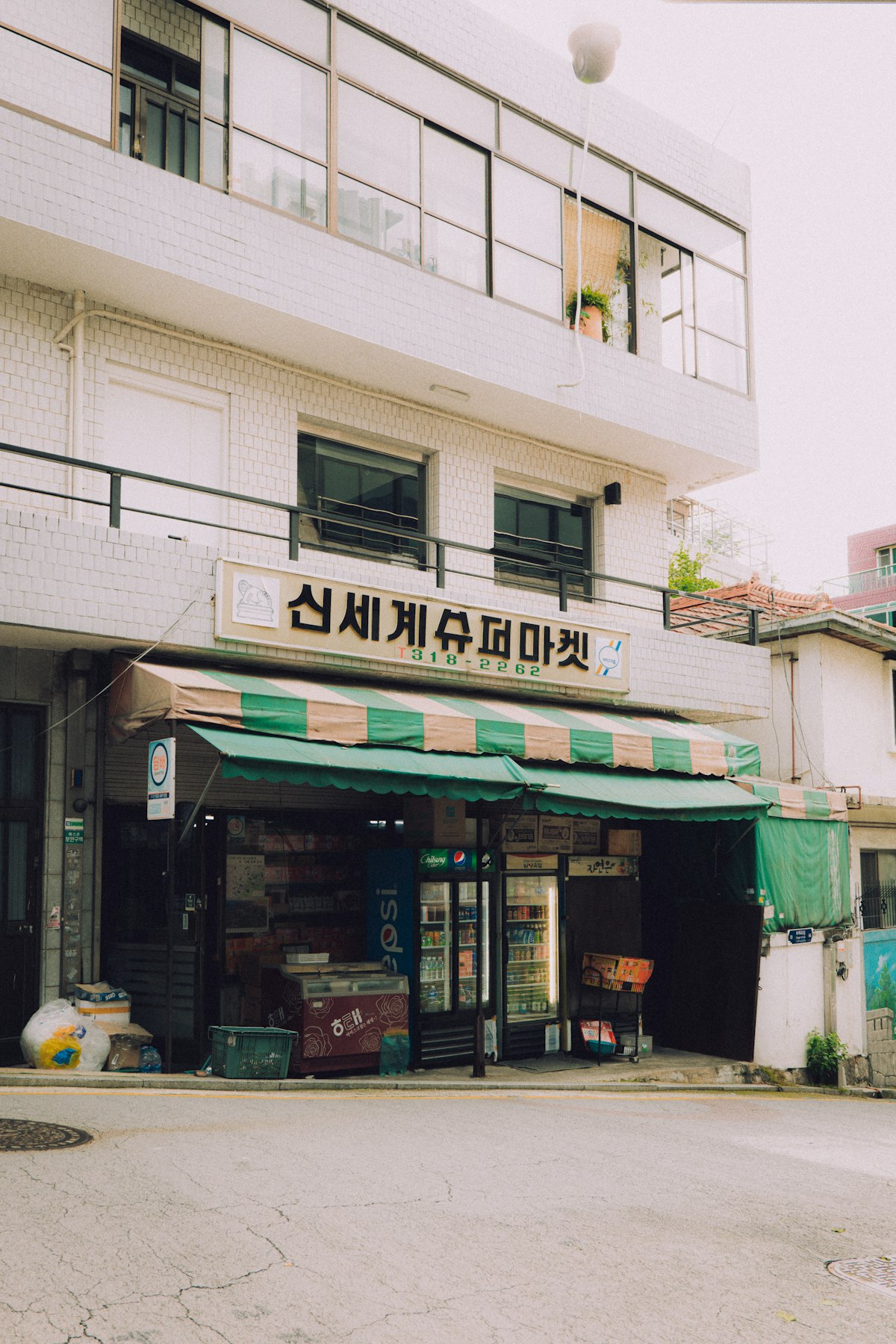

Navigating currency and payment methods in South Korea can occasionally present unexpected challenges for first-time international visitors. South Korea is celebrated globally as one of the most technologically advanced and cashless nations on earth. From modern cafes in Seongsu to high-speed KTX trains, almost every business accepts major international credit cards like Visa and Mastercard. However, relying entirely on plastic or digital payment apps will inevitably leave you stranded in specific everyday situations. Traditional spots such as Gwangjang Market or Busan’s Jagalchi Market, street food carts, local taxis in regional areas, and—most importantly—recharging your T-money or Climate Card transit pass require physical Korean Won (KRW) cash.
When you need cash, pulling out your foreign debit or credit card at the nearest automated teller machine might seem like the simplest solution. Yet, many travelers face rejected transactions, unexpected fee charges, or confusing currency conversion prompts. Understanding how Korean bank ATMs handle foreign cards, where to find global-compatible machines, and how to avoid hidden markups will save you both money and frustration during your trip.
- Look for machines explicitly labeled Global ATM; standard domestic ATMs in Korea will decline foreign cards.
- Major Korean banking institutions like Shinhan, KB Kookmin, Hana, and Woori offer the highest withdrawal success rates.
- Expect a local Korean ATM processing fee of 3,000 KRW to 4,000 KRW ($2.25–$3.00 USD) per transaction.
- Always decline Dynamic Currency Conversion (DCC) and choose to be charged in KRW to avoid dynamic exchange rate markups.
- Convenience store ATMs (CU, GS25, Seven-Eleven) are widely accessible but charge higher fees and have lower transaction limits.
Not All Korean ATMs Are Created Equal: Understanding Global ATMs

The single most common mistake international tourists make in South Korea is walking up to any standard ATM and inserting an overseas debit card. In South Korea, banking networks separate domestic transactions from international transactions. Standard banking ATMs in residential neighborhoods or small commercial buildings operate exclusively on the domestic interbank network. If you insert an international card into a local-only machine, it will display a transaction error or claim your card is invalid, regardless of your available balance.
To successfully withdraw cash, you must locate a designated Global ATM. These specialized machines are programmed to process overseas card routing systems such as Visa, Mastercard, Maestro, Cirrus, Plus, UnionPay, and JCB. You can easily spot a Global ATM by looking for physical signage or digital screen banners displaying the “Global ATM” logo alongside international card network emblems. Global ATMs are abundantly available at Incheon International Airport, major subway transfer hubs in Seoul (such as Seoul Station, Hongdae, and Myeongdong), major hotels, and primary city branches of national banks.
Breakdown of ATM Fees and Hidden Charges
When you pull cash from an overseas account in South Korea, you typically encounter up to three separate charges on a single transaction. Being aware of these cost layers helps you structure your cash withdrawals economically throughout your itinerary.
1. The Local Korean ATM Operator Fee
Korean banks charge a flat service fee for processing foreign debit and credit cards. For major national banks like Shinhan, Hana, or KB Kookmin, this fee generally ranges between 3,000 KRW and 4,000 KRW per transaction (roughly $2.25 to $3.00 USD). Independent convenience store ATMs, such as those operated by Cash Zone or CDNet inside GS25 and CU, may charge between 3,500 KRW and 5,000 KRW.
2. Your Home Bank’s Out-of-Network and Foreign Exchange Fees
Your issuing bank back home will likely assess its own fees for using an international ATM. This often includes a flat foreign ATM usage fee ($2.00 to $5.00 USD) plus a foreign transaction fee percentage (typically 1% to 3% of the total amount withdrawn). Check with your home bank prior to departure to understand your specific fee schedule, or consider traveling with a travel-friendly checking account (such as Charles Schwab, Fidelity, or Revolut) that waives foreign ATM fees.
3. Dynamic Currency Conversion (DCC) Markups
Dynamic Currency Conversion is an optional financial service offered by card processors at ATMs and payment terminals worldwide. During a withdrawal, the ATM screen may prompt you: “Would you like to be charged in your home currency (e.g., USD, EUR, GBP) or local currency (KRW)?”
It might seem comforting to see the transaction sum presented in your home currency, but opting for this convenience applies a heavily marked-up exchange rate set by the local ATM operator rather than the official wholesale bank rate. Choosing your home currency can add an extra 5% to 10% in unnecessary costs. Always choose to be charged in Korean Won (KRW). Letting your issuing home bank handle the currency conversion guarantees a fairer market exchange rate.
Step-by-Step Guide: How to Withdraw Cash at a Korean ATM
Withdrawing cash at a Global ATM in Korea follows a standardized process across all major bank brands. Follow these practical steps to complete your transaction cleanly:
Step 1: Locate a Global ATM. Confirm the exterior of the machine displays “Global ATM” or foreign network logos (Visa, Mastercard, etc.).
Step 2: Select English / Foreign Language. Tap the touch screen to select English or your preferred language before inserting your card.
Step 3: Choose Foreign Card / Global Service. On the main menu, press the button marked “Foreign Card”, “Global Services”, or “Overseas Card”. Do not select domestic banking options.
Step 4: Select Account Type. Select whether your card draws from a Checking Account, Savings Account, or Credit Card line.
Step 5: Enter Your PIN. Input your 4-digit numeric PIN. If the machine requests a 6-digit PIN, try entering your 4-digit PIN followed by two zeros (“00”), though standard 4-digit entries work on almost all modern Global ATMs.
Step 6: Select Amount and Currency. Pick your desired KRW withdrawal amount. When prompted with a currency choice for billing, choose KRW (Korean Won) to decline DCC.
Step 7: Collect Cash and Card. Retrieve your card, cash, and printed receipt. Make sure to double-check that your card is removed before walking away.
Comparing ATM Options Across South Korea
To help you decide where to get cash during your trip, here is a quick breakdown comparing bank branch ATMs, airport machines, and neighborhood convenience stores.
| ATM Type | Local Fee | Card Acceptance | Max Limit / Transaction | Best Suited For |
|---|---|---|---|---|
| Major Bank Branch (Shinhan, Hana, KB, Woori) |
3,000 – 4,000 KRW | Very High (Dedicated Global ATMs) | 300,000 – 1,000,000 KRW | Primary cash withdrawals during regular travel hours |
| Incheon Airport ATMs (Terminal 1 & 2) |
3,000 – 4,000 KRW | Excellent (100% foreign card tailored) | Up to 1,000,000 KRW | Immediate cash upon arrival for airport train or SIM cards |
| Convenience Store ATMs (GS25, CU, 7-Eleven) |
3,500 – 5,000 KRW | Moderate (Varies by location machine) | 300,000 KRW | Late-night emergency cash needs outside bank hours |
Pro Tips for Tourists
- Notify Your Bank Before Leaving: Submit a travel notice to your card issuer so security algorithms do not block international withdrawals in Korea.
- Carry Cards on Different Networks: Bring at least one Visa card and one Mastercard debit/credit card. If one network faces temporary terminal connectivity issues, the other will serve as a reliable backup.
- Make Larger, Less Frequent Withdrawals: Because fixed processing fees (3,000–4,000 KRW) apply per transaction, taking out 300,000 KRW once is far more economical than making three separate 100,000 KRW withdrawals.
- Withdraw Cash for Transit Passes First: Korean subway T-money and Climate Cards can only be topped up with cash at subway station kiosks or convenience stores. Obtain cash right at Incheon Airport before heading into the city.
- Observe Operating Hours: While convenience store ATMs operate 24/7, stand-alone bank glass booths generally operate between 07:00 and 23:00. Plan withdrawals during daylight hours whenever possible.
Frequently Asked Questions
Why was my foreign debit card declined at a Korean ATM?
The most common reason is using a domestic-only Korean ATM instead of a designated Global ATM. Other frequent reasons include unannounced international travel blocks by your home bank, selecting the incorrect account type (try choosing “Checking” if “Savings” fails), or exceeding your daily overseas withdrawal limit.
Can I top up my T-money transit card using a foreign credit card at an ATM?
No. T-money transit cards cannot be reloaded directly using foreign credit or debit cards at ATMs or subway ticket machines. You must first withdraw Korean Won cash from a Global ATM and then use the cash to reload your T-money card at subway station charging kiosks or convenience stores.
What is the maximum cash limit I can withdraw per transaction at a Korean Global ATM?
Most major bank Global ATMs in South Korea limit foreign card transactions to 300,000 KRW to 1,000,000 KRW per single withdrawal. If you require more cash, you can perform multiple consecutive transactions, provided you remain within your home bank’s daily overseas limit.