

Planning your dream trip to South Korea comes with endless excitement—from mapping out delicious street food stops in Myeongdong to booking K-pop experiences and high-speed KTX train tickets. However, one practical question continually stops travelers in their tracks: How much cash should you actually bring to South Korea?
South Korea is famous for being one of the most technologically advanced and cashless societies in the world. From high-tech cafes to mega department stores, credit cards, contactless mobile payments, and travel cards dominate daily commerce. Yet, fully relying on plastic can lead to unexpected hiccups during your vacation. Knowing precisely how much Korean Won (KRW) to carry ensures a smooth, stress-free journey.
- Recommended Cash Amount: 100,000 to 200,000 KRW (approx. $75–$150 USD) per person for a 7-to-10-day trip.
- Card Acceptance: Over 90% of transactions in South Korea—including dining, shopping, taxis, and attractions—can be paid with international credit cards.
- Cash-Only Essentials: Transportation card top-ups (T-money / Cashbee), traditional street food stalls, underground shopping centers, and luggage lockers.
- Best Exchange Strategy: Carry a small amount of home currency or exchange a minimal amount at the airport, then swap larger amounts at money changers in Myeongdong or withdraw from Global ATMs.
Is South Korea Really a Cashless Society?

If you ask local residents in Seoul when they last used cash, many might take a moment to remember. South Korea ranks among the top countries globally for card payment adoption. Almost every restaurant, convenience store, cafe, boutique, and supermarket accepts major credit cards such as Visa and Mastercard. Even small purchases, like a 1,500 KRW ($1.15 USD) bottle of water at a convenience store, are routinely tapped on credit cards or mobile payment systems.
Despite this high level of digitization, South Korea is not 100% cashless for international tourists. The main reason stems from legal regulations and system compatibility. Foreign transit cards or credit cards cannot be directly tapped at Seoul subway turnstiles or local buses. Instead, tourists must rely on prepaid transit cards like T-money or WOWPASS. Crucially, recharging a standard physical T-money card at subway stations or convenience stores almost exclusively requires hard physical cash in Korean Won.
Additionally, Korea’s vibrant street food scene, traditional markets, small pop-up booths, and coin-operated facilities like laundromats and photo booths rely heavily on cash transactions. Therefore, while you can put the vast majority of your budget on credit cards, landing in Seoul with zero cash will inevitably cause minor inconveniences.
Recommended Cash Budget Breakdown
To avoid carrying unnecessary wads of bills while ensuring you never run out of funds, it helps to categorize your expected cash expenditures. Below is a realistic spending outline based on average foreign tourist itineraries across Seoul, Busan, and Jeju Island.
| Traveler Profile | Daily Cash Need (per person) | 7-Day Total Cash Recommendation | Primary Cash Usage |
|---|---|---|---|
| Budget / Backpacker | 20,000 – 30,000 KRW ($15 – $22 USD) | 150,000 – 200,000 KRW ($110 – $150 USD) | Subway/bus recharges, traditional market food, cheap street snacks, guesthouse lockers. |
| Mid-Range Tourist | 10,000 – 20,000 KRW ($7.50 – $15 USD) | 100,000 – 150,000 KRW ($75 – $110 USD) | Subway top-ups, evening street food in Myeongdong/Hongdae, souvenir stalls, photo booths. |
| Luxury / Convenience-First | 5,000 – 10,000 KRW ($4 – $7.50 USD) | 50,000 – 70,000 KRW ($38 – $52 USD) | Minimal transit recharges (mostly taking taxis paid by card), small tips/emergency cash. |
Where You MUST Have Cash in South Korea
To prevent awkward situations at checkout, keep physical banknotes on hand for these specific scenarios:
- Transportation Cards (T-money & Cashbee): While you can purchase the card itself with a credit card at select locations, topping up your balance at subway kiosk machines or convenience stores requires cash in KRW.
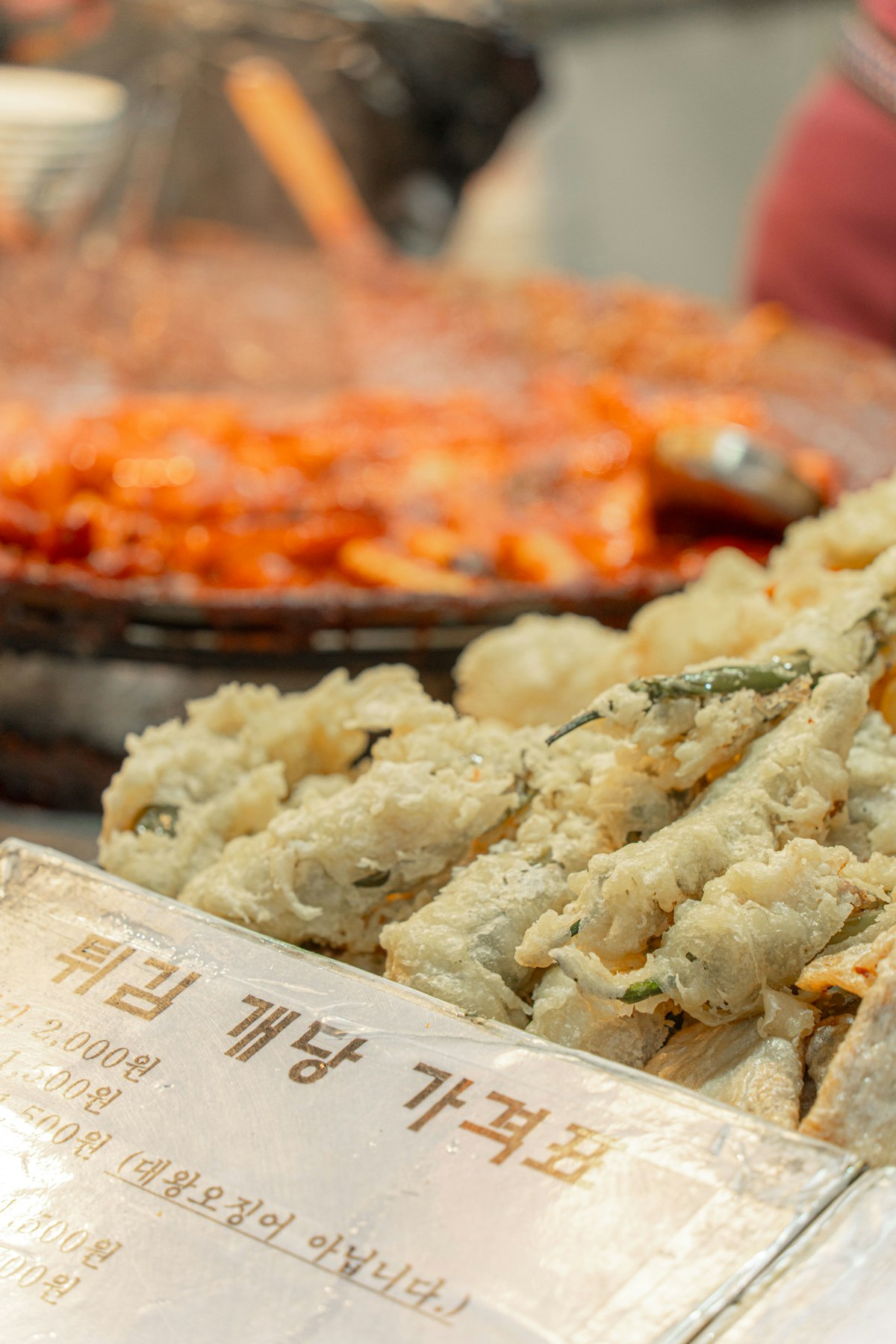
- Street Food Stalls: The famous pojangmacha (tented food stalls) and vendors in Gwangjang Market, Myeongdong, or Namdaemun often operate on cash. Some vendors accept local bank transfers, but foreign cards are generally not supported.
- Underground Shopping Centers: Express Bus Terminal Underground Shopping Mall (Gotomall) and Gangnam Station Underground Mall offer incredible fashion deals. Many vendors give a 5% to 10% discount if you pay in cash instead of card.
- Station Storage Lockers & Photo Booths: Coin-operated luggage lockers at train stations and popular trendy life-four-cut photo studios frequently require 1,000 KRW or 500 KRW coins/bills.
Where You Can Safely Rely on Credit Cards
For almost everything else during your South Korea trip, physical credit cards are completely standard and widely preferred. Foreign Visa and Mastercard credit or debit cards work flawlessly at the following locations:
- Sit-down Restaurants & Trendy Cafes: From Michelin-starred dining to neighborhood aesthetic cafes, cards are universally accepted. Many places now use self-ordering kiosks equipped with card readers.
- Taxis: All public taxis in major cities like Seoul, Busan, and Incheon feature digital card meters. You can easily tap your foreign credit card or WOWPASS at the end of the ride.
- Major Retail Stores & Supermarkets: Olive Young, Daiso, Hyundai Department Store, Lotte Mart, and convenience stores like CU, GS25, and Seven-Eleven accept cards regardless of the purchase total.
- Attractions & Ticket Booths: Royal palaces (Gyeongbokgung, Changdeokgung), N Seoul Tower, Lotte World, and museum admissions accept credit card payments without hassle.
Smart Currency Exchange: Where to Swap Your Money
Getting Korean Won is straightforward, but exchange rates vary significantly depending on where and how you trade your money. Here is how to maximize your foreign currency value:
1. Airport Exchange Desks (Incheon / Gimpo / Gimhae)
Airport bank counters (operated by Woori Bank, Shinhan Bank, or Hana Bank) offer ultimate convenience as soon as you land. However, their exchange rates include higher fees. Exchange a small amount—around $30 to $50 USD—at the airport to cover your initial AREX train fare, T-money card purchase, and immediate snacks.
2. Private Money Changers in Myeongdong
If you are bringing physical foreign currency (USD, EUR, JPY, SGD, AUD, etc.), head to Myeongdong in central Seoul. Independent money changers near the Chinese Embassy area consistently offer the best conversion rates in the nation with zero commission fees. Remember to bring your physical passport, as it is legally required for money exchange.
3. Global ATMs
Withdrawing cash directly from an ATM using your home debit card is convenient, but you must look for machines labeled Global ATM. Standard domestic bank ATMs often reject foreign cards. Major bank ATMs (such as Shinhan, Hana, or KB Kookmin) situated inside convenience stores or subway stations usually support international networks (Cirrus, Plus, Visa, Mastercard). Always choose to be charged in the local currency (KRW) rather than your home currency to avoid dynamic currency conversion (DCC) markup fees.
Pro Tips for Tourists
- Get a WOWPASS Card: The WOWPASS is an all-in-one prepaid card designed for foreign tourists. You can insert cash in foreign currency (USD, EUR, JPY, etc.) at dedicated airport or hotel kiosks to issue a card loaded with KRW. It functions as a standard debit card across Korea and includes an integrated T-money chip for transport.
- Notify Your Bank Before Traveling: Foreign transactions can trigger fraud alerts on international credit or debit cards. Inform your issuing bank of your travel dates to South Korea so your cards are not unexpectedly frozen.
- Carry Multiple Card Brands: While Visa and Mastercard enjoy universal acceptance in Korea, American Express (Amex) and Discover are occasionally declined by smaller domestic payment terminals. Always carry at least one primary Visa or Mastercard.
- Keep Small Bills for Street Food: Avoid paying for a 3,000 KRW street food item with a 50,000 KRW note whenever possible. Keep 1,000 KRW, 5,000 KRW, and 10,000 KRW banknotes in your wallet for quick street market purchases.
- Tipping is Non-Existent: You do not need extra cash for tipping. Tipping is not customary in South Korea across restaurants, cafes, taxis, or hotels, and attempting to tip can sometimes cause confusion.
Frequently Asked Questions
Can I use Apple Pay or Google Pay in South Korea?
Apple Pay is currently available in South Korea, but its adoption is largely limited to major chains like Hyundai Department Store, Lotte Mart, and major convenience stores (CU, GS25, Seven-Eleven). Most local stores use traditional IC chip readers that do not support international contactless NFC setup. Google Pay is not natively supported in Korea. It is best to carry physical credit cards as your primary payment method.
How much cash should I exchange at the airport upon arrival?
We recommend exchanging around 30,000 to 50,000 KRW (approx. $25–$40 USD) at Incheon Airport. This gives you enough cash to purchase a T-money transit card, top up your transport balance for the train or bus into Seoul, and grab a light drink or snack. Exchange the rest of your cash budget in downtown Seoul (such as Myeongdong) for better conversion rates.
What should I do with leftover Korean Won at the end of my trip?
If you have leftover physical notes, you can convert them back to your home currency at airport exchange counters before passing through security. Alternatively, spend remaining cash at duty-free shops or convenience stores at the airport. Unused balances on T-money cards can be refunded at convenience stores for a small fee (200 KRW processing fee) if the remaining balance is under 20,000 KRW.