
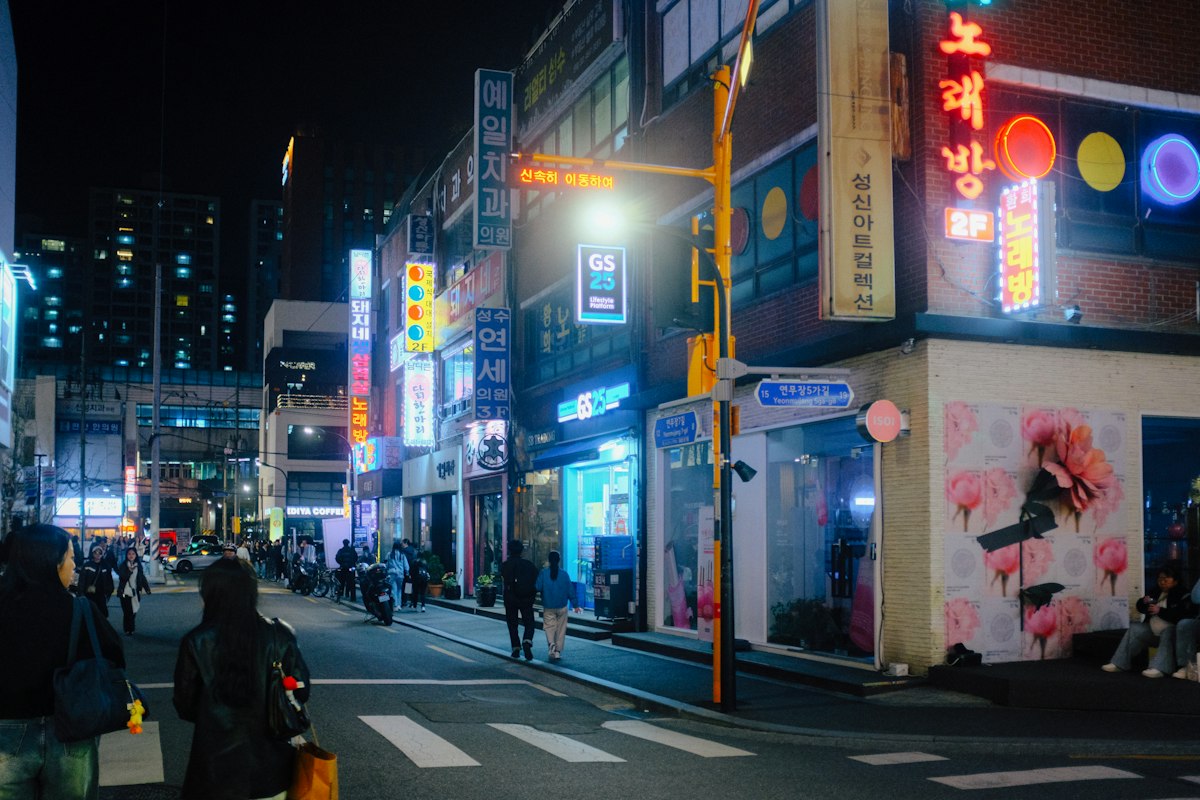

South Korea is home to one of the most vibrant, creative, and visually stunning cafe cultures in the world. From the multi-story, industrial-chic spaces in Seongsu-dong to the cozy, traditional hanok cafes tucked away in the alleyways of Ikseon-dong, coffee shops in Korea are far more than places to grab a quick caffeine fix. They are social hubs, workspaces, photo studios, and sanctuaries of relaxation. However, because cafes play such an integral role in daily Korean life, a unique set of social norms and unspoken rules has developed around them.
For international tourists, navigating these cultural expectations can occasionally lead to confusing or awkward moments. Knowing how to order correctly, secure a seat, and respect the local boundaries regarding time limits will not only make your trip smoother but will also help you blend in like a local. Let’s dive into the essential guide to Korean cafe etiquette so you can enjoy your brew with absolute confidence.
- One Drink Per Person: It is mandatory for every seated customer to order their own individual beverage.
- Find a Seat First: Secure your table before heading to the counter or kiosk to order.
- Respect Time Limits: If you are working or studying, limit your stay to 2–3 hours or order another item.
- Clean Up After Yourself: Always return your tray and separate your trash at the designated return counter.
The Golden Rule: One Drink Per Person (1인 1음료)

When you enter a Korean cafe, the most important rule to keep in mind is 1인 1음료 (Ilin Il-eumnyo), which translates literally to “one person, one drink.” Because Korean cafes often feature highly curated interiors and prime real estate, business owners rely on seat turnover to remain profitable. Therefore, if you are planning to sit down, every single member of your group must order a beverage.
A common mistake made by tourists is ordering a single drink to share alongside a large, expensive dessert, such as a slice of cake or a bowl of bingsu (shaved ice). In most establishments, desserts do not count toward the individual drink requirement. Even if you are not particularly thirsty, you should still order a small tea, an espresso, or a non-caffeinated beverage to satisfy this rule. Children are sometimes exempt from this requirement, but for adults, it is strictly enforced. If you only want to share a single coffee, it is best to order your drink to go (“takeout”).
Securing Your Spot: The Korean Way of Reserving Seats
In many Western countries, the standard practice is to stand in line, order your food and drinks at the counter, and then look for an open table. In South Korea, this order of operations is completely reversed. Because popular cafes can get incredibly crowded, you should always find and secure a seat before you place your order.
When you walk into a cafe, feel free to head straight to the seating area to find an open table. You can reserve your spot by leaving a personal item on the table or chair. In Korea, where crime rates are exceptionally low, you will frequently see locals leaving their jackets, bags, or even expensive laptops and smartphones unattended on a table while they walk over to order. While this speaks to the incredible safety of the country, we still recommend that international tourists keep high-value items like passports and wallets with them. Once your spot is marked, you can comfortably proceed to the counter or self-service kiosk to place your order.
Time Limits, Laptop Etiquette, and the “Kagong-jok”
South Korea has a massive culture of studying and working in cafes. Students and remote workers who do this are colloquially known as Kagong-jok (카공족), a portmanteau of “cafe” and “gongbu” (studying). While cafes generally welcome this demographic, the rising cost of utilities and rent has forced many establishments to implement unwritten—and sometimes very explicit—rules regarding time limits.
As a general rule of thumb, if you are using a laptop or studying, your stay should be limited to roughly 2 to 3 hours per drink ordered. If you plan to stay longer than three hours, it is polite and expected that you purchase an additional item, such as another coffee or a pastry. Some highly popular cafes in busy neighborhoods like Hongdae, Gangnam, or Myeongdong may print a specific time limit (usually 2 hours) directly onto your receipt, or they may choose to limit access to electrical outlets and Wi-Fi to encourage quicker turnover. Always be mindful of waiting customers; if the cafe is completely full and people are standing in line, it is time to pack up and move on.
Ordering, Pick-Up, and the Return Counter
When you are ready to order, you will likely encounter one of two systems: a self-service kiosk or a traditional counter. Kiosks are incredibly common in Korea and almost always feature an English language option (look for a small globe icon or flag in the corner of the screen). If you order at the counter, the staff will usually speak basic English. Once your payment is processed, you will be handed a small plastic device called a jindong-bel (진동벨), or vibration bell.
When your drinks and food are ready, this buzzer will light up and vibrate. Walk back to the pick-up counter, return the buzzer to the staff, and collect your tray. Once you are finished with your meal, do not leave your dirty dishes and trash on the table. You must take your tray back to the designated return station, usually marked as Return or 반납구 (bannapgu). At the return station, you will often find separate bins for trash, recyclables, and a small sink to pour out any leftover liquid or ice. Taking the time to properly sort your waste is a highly appreciated sign of respect.
| Etiquette Aspect | South Korea | Western Countries |
|---|---|---|
| Ordering Order | Find and secure a seat first, then place your order. | Order at the counter first, then look for a table. |
| Minimum Order | Strictly “One Drink Per Person” (1인 1음료) for seated guests. | Flexible; sharing drinks or ordering only food is common. |
| Table Cleanup | Mandatory self-cleanup. Separate trash, ice, and liquids at the return bar. | Often left on tables for staff to clear, though self-busing is growing. |
| Laptop Use | Highly tolerated, but polite to leave or buy more after 2–3 hours. | Varies; some cafes actively discourage laptop use by removing outlets. |
Pro Tips for Tourists
- Specify “For Here” or “To Go”: Due to environmental laws, Korean cafes are strictly prohibited from serving drinks in single-use plastic cups to customers dining inside. You must decide whether you want your drink in a mug/glass (“for here” or mejang-yong) or a disposable cup (“takeout” or teikeu-aut).
- Watch Out for “No Kids Zones”: Some highly curated, quiet, or design-focused cafes in Seoul operate as “No Kids Zones” (노키즈존) to preserve a quiet atmosphere and prevent safety hazards. Look for signs near the entrance.
- Check Receipts for Wi-Fi and Bathrooms: The Wi-Fi password and the security code for the cafe’s restroom are almost always printed at the very bottom of your receipt. Don’t throw it away until you’ve checked!
- Keep Your Voice at a Conversational Level: While Korean cafes are lively social spaces, they are rarely rowdy. Keep phone calls brief and use headphones if you are watching videos or listening to music.
Frequently Asked Questions
Can I order a dessert instead of a drink to satisfy the “one drink per person” rule?
In most cases, no. The rule “1인 1음료” specifically translates to “one drink per person.” Even if you order an expensive slice of cake or pastry, you are still expected to order a beverage for each seated guest. If you are not a coffee drinker, you can easily find non-caffeinated alternatives like herbal teas, ades, or juices on the menu.
Is it really safe to leave my laptop on the table while I go to the restroom?
Yes, South Korea is famous for its incredibly low crime rates, and it is standard practice for locals to leave laptops, tablets, and phones on tables while using the restroom or ordering. However, as a traveler, it is always wise to exercise basic caution. We recommend taking highly portable essentials like your passport, wallet, and phone with you, while leaving your jacket or notebook to hold your seat.
What should I do if a cafe doesn’t have an English menu or a kiosk?
Don’t worry! Most cafe staff in major tourist areas speak conversational English. If you encounter a place with only Korean text, you can use translation apps like Naver Papago or Google Translate to scan the menu in real-time. Additionally, ordering common drinks like an “Americano” or “Cafe Latte” is very easy, as the Korean pronunciation is nearly identical (A-me-ri-ka-no and Ka-pe-ra-tte).