
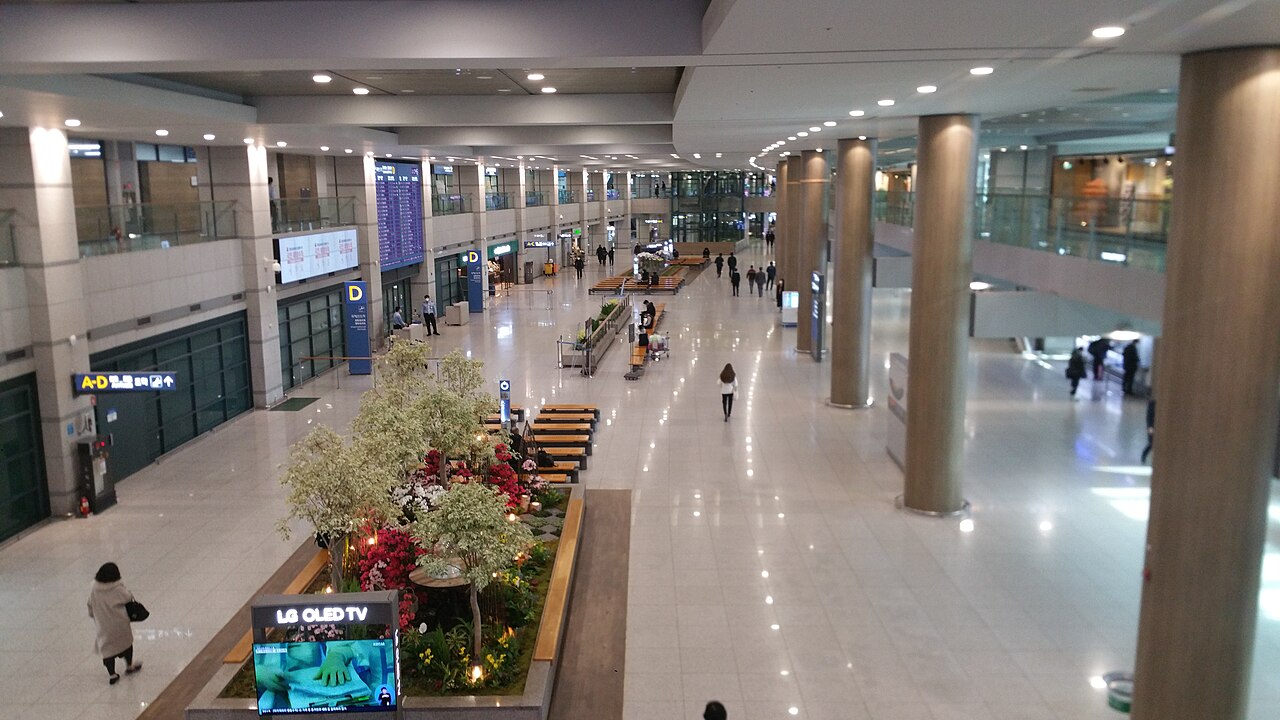

Navigating South Korea’s vibrant food scene, bustling retail pop-ups, and efficient transport networks is far easier when your smartphone is connected. Yet, international visitors frequently run into an unexpected obstacle: waiting at a renowned barbecue spot in Mapo or a cafe in Seongsu only to find a waiting tablet that demands a domestic South Korean phone number. This common scenario forces a critical connectivity decision before landing at Incheon International Airport: should you choose an inexpensive data-only eSIM, or do you genuinely need an eSIM that includes a local Korean 010 phone number?
The short answer depends on how you plan to travel, dine, and navigate. A standard data-only eSIM covers roughly 90% of daily digital tasks, including messaging, navigation, and live translation. However, if your itinerary features sought-after restaurants that manage queue waitlists exclusively via SMS alerts, or activities requiring two-way merchant contact, securing a genuine local mobile number becomes indispensable. Knowing precisely what a tourist voice eSIM can and cannot do will prevent frustrating setup delays on your arrival day.
- Data-only eSIMs provide fast, reliable internet for navigation, messaging apps, and translation, but they cannot make phone calls or receive SMS text messages.
- Local voice eSIMs assign a Korean 010 telephone number. Incoming calls and text messages are free, but they activate only after mandatory passport verification following border control clearance.
- No identity authentication: Tourist eSIM numbers do not support domestic personal identity verification (bonin injeung). You cannot use them to open local bank accounts, access domestic banking portals, or pass Korean resident identity checks.
- Outgoing calls require credit: On carriers like KT, placing outbound calls or sending outbound SMS requires an additional balance top-up (minimum 5,500 KRW).
- Dual-SIM configuration: Keep your domestic home SIM active on your device with data roaming turned off to continue receiving two-factor authentication codes from home banks.
Understanding the Core Difference: Data-Only vs. 010 Voice eSIMs

A standard travel eSIM purchased through global aggregators operates purely as a data pipe. It connects your smartphone to local infrastructure—typically routing through KT, SK Telecom, or LG U+ towers—enabling access to web browsers, Google Maps, Naver Map, KakaoTalk, and Instagram. Because it lacks a mobile station international subscriber directory number (MSISDN) registered in the domestic numbering plan, your phone cannot dial standard telephone numbers or receive cellular SMS text alerts.
In contrast, a Korean carrier voice-and-data eSIM provisions a real local line beginning with the 010 prefix, which is the national standard for mobile devices in South Korea. This local line permits you to receive incoming calls from domestic landlines and mobiles, as well as inbound automated SMS text messages, such as reservation status updates or store check-in alerts.
However, visitors must understand an essential legal boundary: a tourist voice eSIM is strictly a temporary visitor product. Under South Korean telecommunications rules, it does not support domestic personal identity authentication (known as bonin injeung). Korean residents use their mobile subscriptions as a digital passport to authenticate payments, sign into government portals, or register for certain domestic-only applications. A tourist 010 number will fail these specific domestic identity verification checks because it is not linked to an Alien Registration Card (ARC) or permanent domestic resident ID.
The Reservation Reality: Do Tourists Actually Need a 010 Number?
The primary reason overseas travelers seek a Korean phone number is dining and entertainment logistics. Walk-in queues at trending restaurants, viral bakeries, and character pop-up stores throughout Seoul and Busan often rely on digital waiting tablets (such as Tabling or Catch Table waiting kiosks) stationed outside the venue entrance.
When you register at these physical stands, the hardware often prompts for a standard 010 phone number to dispatch queue confirmations and “your table is ready” notifications via SMS or KakaoTalk. Without a local number, foreign tourists may be turned away or forced to ask waitstaff to enter an employee number on their behalf, a courtesy that busy venues during peak dining rushes cannot always accommodate.
At the same time, reservation ecosystems have evolved. Many popular dining spots now offer advance online bookings through Catch Table Global or Creatrip, both of which permit registration using foreign email addresses and international phone numbers. Taxi hailing via Kakao T can also function smoothly with an international credit card on foreign accounts without domestic phone authentication. Consequently, if your itinerary consists primarily of pre-booked tours, hotels, and casual eateries that do not run waitlist kiosks, an affordable data-only eSIM will meet every essential connectivity requirement.
Carrier Verification Rules: KT, SK Telecom, and LG U+
Acquiring a functioning 010 number as an international visitor requires understanding carrier-specific regulatory workflows. South Korean telecommunications law mandates that voice-capable lines undergo official passport identity verification—often referred to by carriers as an “entry check.” The major network operators do not handle this process in an identical manner, so you should never assume one carrier’s instructions apply across the board.
According to KT’s official visitor eSIM manual, purchasing their Call + SMS + Data package provisions a 010 number, but incoming voice calls and incoming SMS remain restricted until you complete online identity verification after landing and clearing Korean immigration. The carrier system must cross-reference your passport details with Korean immigration entry databases to unlock inbound telephony. For outbound voice calling and outbound text messaging, KT requires both the identity check and a separate prepaid voice top-up, with a minimum payment threshold of 5,500 KRW. Voice balance top-ups and service duration extensions are non-refundable.
KT strictly restricts visitor accounts to one voice SIM per passport (though up to four data-only SIMs can be registered) and caps cumulative service extensions at 90 days. If online portal verification fails due to connectivity or optical character recognition errors, KT directs customers to present their passport physically at an airport roaming center—such as those located inside Incheon Airport Terminal 1 or Terminal 2—to clear the hold manually. Data access generally functions immediately upon profile installation, even while the voice verification step is pending.
SK Telecom and LG U+ also offer visitor connectivity plans with their own verification ecosystems. For example, SK Telecom provides passport registration procedures via its dedicated online portal (at www.skroaming.com/passport/) following arrival. Always check the operator’s current product disclosure before purchasing, as pricing structures, daily data caps, and authentication workflows change periodically.
Comparison: Data-Only vs. Korean Voice eSIM for Tourists
Selecting the ideal setup depends on balancing setup friction against your specific travel habits. Review the key technical and operational differences below before deciding which package fits your trip.
| Feature | Data-Only Travel eSIM | Korean Voice & Data eSIM (e.g., KT) |
|---|---|---|
| Local 010 Number | No. Operates strictly as a mobile broadband link. | Yes. Provides a dedicated domestic 010 cellular line. |
| Incoming SMS & Calls | Unsupported on the eSIM profile. | Free, but active only after immigration passport verification. |
| Outgoing Calls & SMS | Unsupported (must use VoIP apps like WhatsApp or KakaoTalk). | Requires verified passport plus voice credit top-up (min. 5,500 KRW). |
| Waitlist Kiosk Acceptance | Low. Fails if the kiosk requires an SMS response to confirm. | High. Can receive automated queue alerts from domestic tablets. |
| Identity Authentication (본인인증) | Not supported. | Not supported. Tourist lines cannot complete resident ID checks. |
| Setup Complexity | Simple. Scan QR code, enable data roaming upon landing. | Moderate. Requires scanning QR code, entering immigration, and portal upload. |
How to Set Up a Korean Voice eSIM for Reservations
1. Confirm Hardware and Network Unlock Status
Before ordering any digital SIM, confirm that your smartphone is carrier-unlocked and supports embedded digital SIM technology. On your handset’s phone keypad, dial *#06#. If your phone supports eSIM profiles, the device screen will display an EID (Embedded Identity Document) barcode along with an associated digital IMEI number. If no EID value appears, your handset is hardware-incompatible and will require a traditional physical nano-SIM card instead.
2. Purchase and Pre-Install Your Profile Over Stable Wi-Fi
Purchase your chosen plan online prior to departure. When the carrier issues your activation voucher via email, install the profile while still at home or connected to dependable airport Wi-Fi. Scanning the QR code downloads the network credentials directly to your handset’s internal storage. Label this cellular plan clearly (e.g., “Korea Travel”) within your phone settings so you can easily distinguish it from your personal home plan.
3. Clear Immigration and Submit Passport Verification
Your 010 telephone number cannot be fully authenticated while you are in the air. Proceed through South Korean border control at the airport first. Once the immigration officer stamps your passport or issues your entry landing slip, log into the carrier verification link (such as the portal indicated in your KT or SK Telecom instructions). Take a clear photograph of your physical passport photo page and submit it through the online form. The carrier automated system cross-checks this against the Korean justice ministry’s entry logs to release the inbound call and text block.
4. Add Voice Balance if Outgoing Telephony is Needed
If your travel plans involve placing outbound calls to hotels, activity operators, or booking desks, you must add prepaid calling credit. On KT, you can process a top-up through their mobile web portal using an international credit card, starting from the mandatory minimum increment of 5,500 KRW. Remember that these top-ups expire alongside your profile validity period and cannot be refunded once credited.
5. Verify Airport Counter Support if Identity Check Fails
If the carrier automated entry check portal displays an error message or rejects your image upload, do not discard the profile. Visit your carrier’s customer service desk in the Incheon or Gimpo arrivals concourse before departing the airport. The desk agents will inspect your physical passport, match your reservation record, and release the telephony restrictions manually in their internal terminal.
Pro Tips for Tourists
- Keep your primary home SIM active: Set your smartphone’s “Mobile Data” line to the Korean eSIM, but leave your home SIM active for voice and text with “Data Roaming” switched strictly off. This guarantees you continue receiving critical two-factor authentication (2FA) verification codes from your domestic banks and credit card issuers without incurring unwanted overseas roaming data fees.
- Monitor daily data thresholds: Carrier plans often feature high-speed daily limits with fair-usage throttling. For example, KT’s manual cites a daily allocation of 11 GB of full-speed connectivity, reverting to unlimited 5 Mbps speeds if reached, resetting every day at midnight. Review your selected carrier’s exact speed thresholds before streaming high-definition video away from Wi-Fi.
- Do not swap profiles between phones: eSIM QR codes purchased from Korean network operators are universally single-use. If you delete the eSIM profile from your phone settings while troubleshooting, you cannot re-scan the original QR code; you will be required to purchase a completely new package.
- Download alternative communication channels: Even with a 010 voice line, download KakaoTalk and register it using your personal home mobile number before leaving home. KakaoTalk is the primary messaging standard across South Korea and is frequently used by booking platforms and tour guides to share meetup details.
Frequently Asked Questions
Can I use a tourist 010 eSIM to open a Korean bank account or verify apps requiring personal identity authentication?
No. A tourist eSIM issued to international visitors does not support domestic personal identity authentication (bonin injeung). Under South Korean telecommunications policies, official digital identity checks require an Alien Registration Card (ARC) or domestic registration number tied to a verified long-term mobile contract. Tourist lines can receive standard automated SMS notifications from queuing stands and stores, but they will fail identity-verification portals for domestic online banking, age-restricted web services, or government utilities.
Why does my Korean 010 voice eSIM have working data, but incoming phone calls and text messages fail?
This happens because your mobile data profile activates automatically upon network connection, but your voice and SMS channels remain legally locked until your carrier completes passport identity verification. You must submit your passport information via the carrier’s designated online entry check portal after passing through airport border control. Once your arrival record is validated against immigration databases—or verified manually by staff at an airport roaming counter—inbound calling and text services will unlock.
Can I purchase multiple voice eSIMs on a single passport for my family members?
No. South Korean network regulations strictly limit tourist voice-capable SIM activations to one contract number per passport. For instance, KT allows only one voice SIM per passport, though an individual may register up to four data-only SIMs under the same travel document. If you are traveling with companions who also require 010 numbers for dining queues or calls, each adult traveler must purchase their own voice eSIM separately using their individual passport details.