

When I first moved to Seoul five years ago, my very first late-night mission was simple: order hot fried chicken to my tiny studio in Mapo after surviving an exhausting 14-hour flight. I downloaded Baedal Minjok—Korea’s undisputed king of food delivery apps—only to hit a complete brick wall at registration. The app demanded a resident registration number, a domestic mobile verification check, and a local bank account. Defeated and starving at 11:00 PM, I trudged out into the winter cold, stepped past customers standing at the open freezers of a GS25 convenience store to grab instant ramen, and watched dozens of delivery scooters zoom past carrying hot takeout to everyone else in my building.
Fast forward to today, and food delivery (*baedal*) is an essential part of my weekly routine in Seoul. Whether I am ordering spicy *tteokbokki* directly to my living room desk or having fresh *bossam* delivered straight to a picnic spot at Yeouido Han River Park, I have mastered every workaround for non-Korean speakers. You do not need a Korean identity card, a local phone contract, or fluent Hangeul to enjoy world-class food delivery. Here is my complete, battle-tested guide on how short-term tourists can order takeout anywhere in South Korea completely hassle-free.
- Easiest Tourist App: Shuttle Delivery features a full English interface and seamlessly accepts international credit cards.
- Local App Workaround: Use the web browser version of Yogiyo inside Google Chrome to auto-translate menus and select “Pay in Person” to pay the driver with card or cash.
- Han River Deliveries: Deliveries to major public parks must meet drivers at designated numbered pickup stations called “Baedal Zones.”
- Typical Costs: Expect delivery fees between 2,500 KRW and 5,000 KRW ($1.85–$3.75 USD), with average meal sets costing 15,000 KRW to 25,000 KRW ($11–$18.50 USD).
Understanding the Korean Delivery System

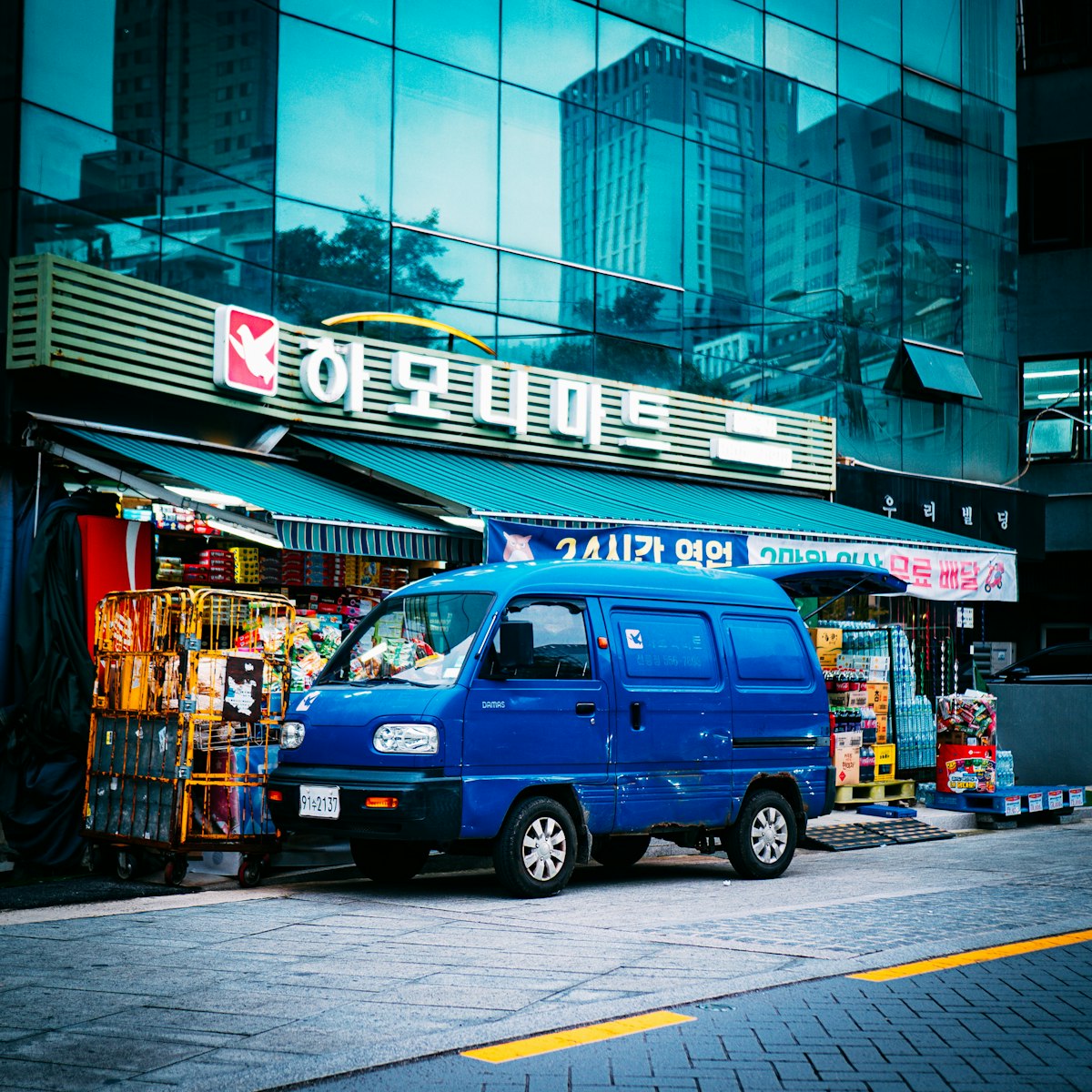
South Korea arguably possesses the most efficient food delivery network on earth. Walking around Seoul, you will notice delivery culture everywhere—from small 24-hour neighbourhood marts advertising delivery options with delivery vans parked outside, to fleets of colorful scooters weaving through narrow residential alleyways. Meals arrive blazingly fast, piping hot, and meticulously packaged.
However, for international travelers, the digital ecosystem poses a specific obstacle: high-security identity verification (KMC). Mainstream Korean apps like Baedal Minjok (Baemin), Yogiyo, and Coupang Eats mandate that account holders verify their real names via a Korean phone carrier tied to an Alien Registration Card (ARC). If you are visiting on a tourist visa with a standard prepaid e-SIM or physical SIM card, direct online payment through these apps will fail. Thankfully, you can easily bypass this barrier using three reliable methods.
Method 1: Shuttle Delivery (The Effortless English Option)
If you want zero translation headaches and standard Western payment methods, **Shuttle Delivery** is your absolute best choice. Built specifically for international expats and tourists, Shuttle operates natively in English and eliminates all identity verification steps.
Why Shuttle Works Best for Tourists
Shuttle allows registration using a foreign email or international phone number. More importantly, it accepts foreign Visa, Mastercard, American Express, PayPal, and Apple Pay directly inside the app. Service areas include primary tourist hubs across Seoul (Itaewon, Hongdae, Gangnam, Myeongdong, Seongsu), as well as major cities like Busan, Daegu, and Pyeongtaek.
Step-by-Step Instructions
1. Download the Shuttle Delivery app (iOS/Android) or open shuttledelivery.co.kr in your browser.
2. Grant location access or manually enter your hotel or Airbnb address in English.
3. Browse through English menus featuring local favorites like crisp fried chicken, Korean BBQ sets, and *bibimbap*, as well as international options.
4. Enter your specific room number or building delivery instructions.
5. Pay online with your international credit card and track your rider in real time.
The Trade-off: Shuttle’s menu items sometimes carry a slight markup compared to domestic apps, and delivery fees average 3,500 KRW to 6,000 KRW ($2.60–$4.50 USD). However, the time and frustration saved make it entirely worthwhile.
Method 2: The Web Browser Hack for Yogiyo and Baemin
When you want to order from ultra-local neighborhood joints that are not listed on Shuttle, you can use the web browser trick. While mobile apps enforce strict digital ID checks for online payments, web interfaces allow you to pay the driver face-to-face upon arrival.
How to Execute the Web Translation Trick
Open Google Chrome on your phone or laptop and head to Yogiyo’s website (yogiyo.co.kr). Tap the browser settings to turn on automatic English translation. Paste your hotel or apartment address written in Korean characters (Hangeul)—which you can copy straight from KakaoMap or Naver Map.
Browse through neighborhood menus translated automatically into English. When you add items to your cart and proceed to checkout, look for the payment selection section. Skip the digital payment options (Kakao Pay, Naver Pay, local card) and select Pay in Person (현장결제).
You will be given two choices: Pay Card to Rider (신용카드 현장결제) or Pay Cash to Rider (현금 현장결제). Choose card payment. When the delivery driver arrives at your building lobby, they hand you your food and present a wireless mobile terminal. Insert your foreign credit card, sign the screen, and you are done!
Method 3: English Delivery Concierge Services
If you encounter an address that refuses to validate online, or if you want to order to a complex location without a fixed street address, English concierge platforms like **Trazy**, **Creatrip**, or **Wonderful** offer custom delivery assistance. You simply submit a request via web chat or WhatsApp specifying what dish you want (for example, a Kyochon Honey Combo set for 23,000 KRW) and where you are located. Their bilingual staff places the order on local Korean apps, manages driver communications, and emails you a direct payment link compatible with international cards.
Ordering Delivery to Han River Parks
One of my absolute favorite Seoul rituals is eating *chimeok* (fried chicken and cold beer) on the lawns of Yeouido or Banpo Han River Park. However, delivery drivers cannot wander across sprawling park grounds searching for individual picnic mats. To solve this, Seoul park authorities installed dedicated pickup stations known as **Baedal Zones (배달존)**.
When ordering through Shuttle or a concierge service while at a Han River park, identify the closest numbered delivery zone (e.g., Yeouido Baedal Zone 2). Input this zone name in your delivery address and order notes. Head over to the designated zone sign five minutes before your estimated delivery time. Delivery riders wearing helmets and carrying insulated bags will assemble at the sign, calling out order numbers or checking names.
| Delivery Method | Language | Payment Method | Best For |
|---|---|---|---|
| Shuttle Delivery | 100% English | Foreign Credit Cards, PayPal, Apple Pay | Fast, hassle-free ordering to hotels and airbnbs in major city hubs. |
| Yogiyo (Web Browser) | Translated via Chrome | Pay Card/Cash to Rider in person | Accessing authentic local neighborhood restaurants at local prices. |
| Concierge (Trazy/Creatrip) | English Assistance | Online Foreign Card Payment Link | Han River picnics and complex orders requiring custom coordination. |
Pro Tips for Tourists
- Always Keep Hangeul Addresses Saved: Store your accommodation’s full Korean address in your phone notes. English street names often fail inside domestic GPS mapping software.
- Provide Gate and Door Codes: Most modern Seoul apartment complexes and officetels feature secure keypad entrances. Include the front door passcode in your driver notes (e.g., “공동현관 #1234”).
- Dispose of Waste Properly: Food delivery in Korea includes substantial plastic packaging. Separate leftover food waste (*eom Sik-mul seuregi*) from clean recyclable containers before throwing items away at your accommodation.
- Keep Backup Cash: While portable payment terminals almost always process international credit cards smoothly, keeping 20,000 KRW ($15 USD) in cash ensures you never miss a meal during unexpected terminal network drops.
Frequently Asked Questions
Can I use Uber Eats or DoorDash while traveling in Korea?
No, major Western delivery apps like Uber Eats and DoorDash do not operate in South Korea. Uber Eats pulled out of the South Korean market due to fierce competition from dominant domestic companies like Baemin and Yogiyo. Visitors must rely on local alternatives like Shuttle Delivery or web-translated local platforms.
Do delivery drivers accept international credit cards for pay-in-person orders?
Yes, almost all Korean delivery riders carry hand-held mobile payment terminals that accept international Visa and Mastercard cards. When selecting “Pay Card to Rider” at checkout, simply hand over your foreign card when your meal arrives.
How do I receive my food if I stay in a hotel without room delivery?
Many hotel security policies in Seoul prohibit delivery drivers from taking elevators up to guest rooms. Indicate in your order notes that you will meet the driver in the main ground-floor lobby. Monitor your delivery tracking and head downstairs when the driver is one or two minutes away.