
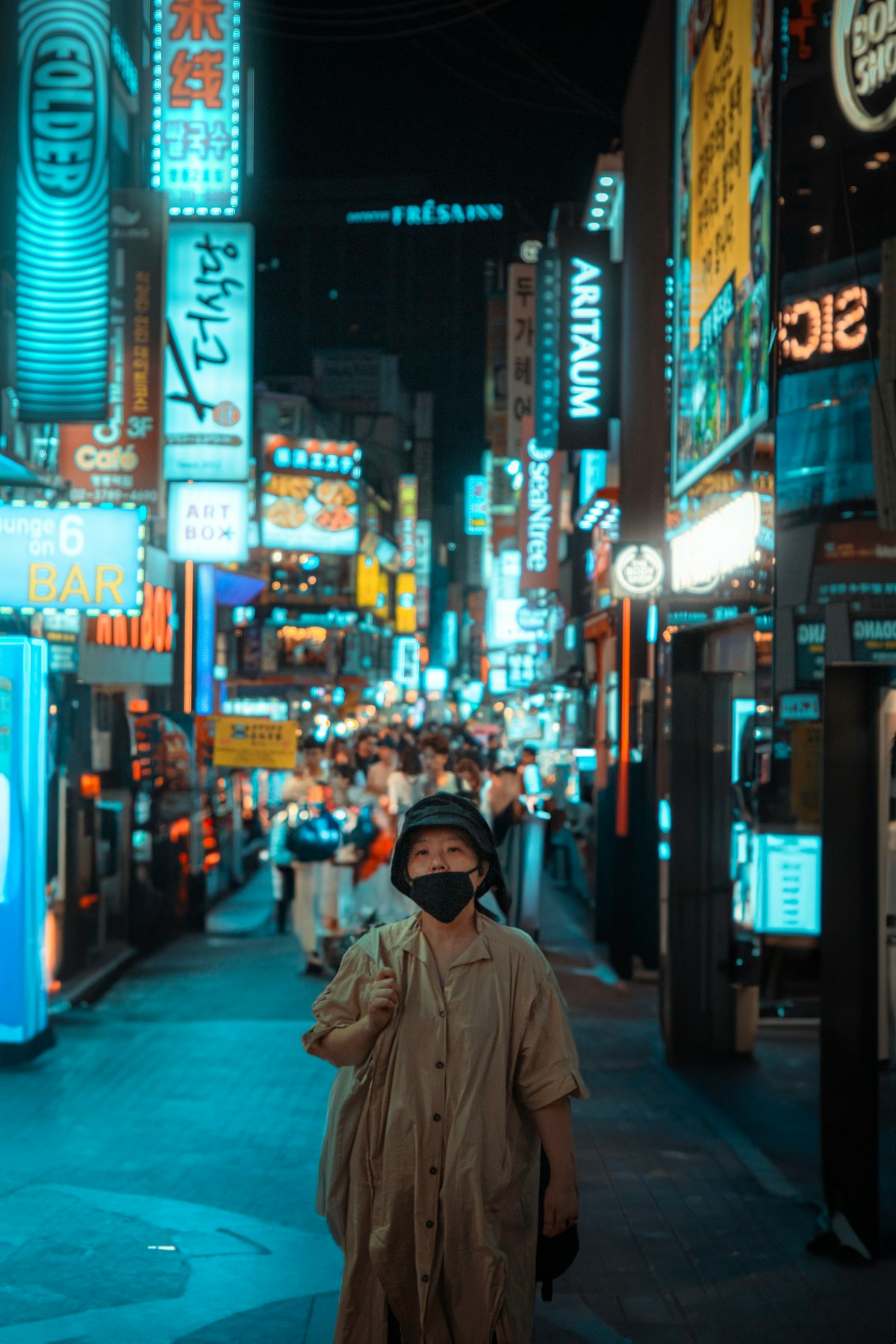

When I first moved to Seoul five years ago, I thought I had my personal style completely figured out. I walked into a brightly lit Olive Young health and beauty store on a bustling street, grabbed a handful of popular warm peach lip tints and brick-red blushes, and assumed I would instantly fit in with the sleek, glowing locals. Instead, I looked like I was recovering from a mild fever. I sat in a tiny, chaotic back-alley restaurant shortly after, sweating over a steaming bowl of spicy sundubu jjigae (soft tofu stew) that burned my tongue, staring at my orange-tinted face in my compact mirror. I was thoroughly defeated. Why did these holy-grail K-beauty products look so remarkably off on me?
It was not until a year later, after getting hopelessly lost in the labyrinth of the Euljiro 1-ga subway station and being rescued by a kind Korean grandmother who literally held my hand and swiped me through the gate, that I finally decided to dive deep into Seoul’s ultimate beauty secret: Personal Color Analysis. It turns out I am a textbook “Cool Summer,” and those warm peach tones were actively working against my skin undertones. Today, this analysis has evolved from a niche local trend into an absolute must-do pilgrimage for international tourists visiting South Korea. Here is my honest, lived-in guide to navigating this game-changing experience without wasting your hard-earned cash.
- What it is: A highly scientific consulting session using fabric drapes to determine which color palette (Spring, Summer, Autumn, Winter) best flatters your skin, hair, and eyes.
- Cost range: Expect to pay between 80,000 KRW (~$60 USD) for basic group sessions to 250,000 KRW (~$190 USD) for premium 1-on-1 consultations with makeup analysis.
- When to book: At least 1 to 2 months in advance. English-speaking slots are extremely competitive.
- Best locations: Hongdae, Gangnam, and Myeongdong host the most foreigner-friendly studios.
The K-Beauty Obsession: Why Seoul is the Best Place for Color Analysis
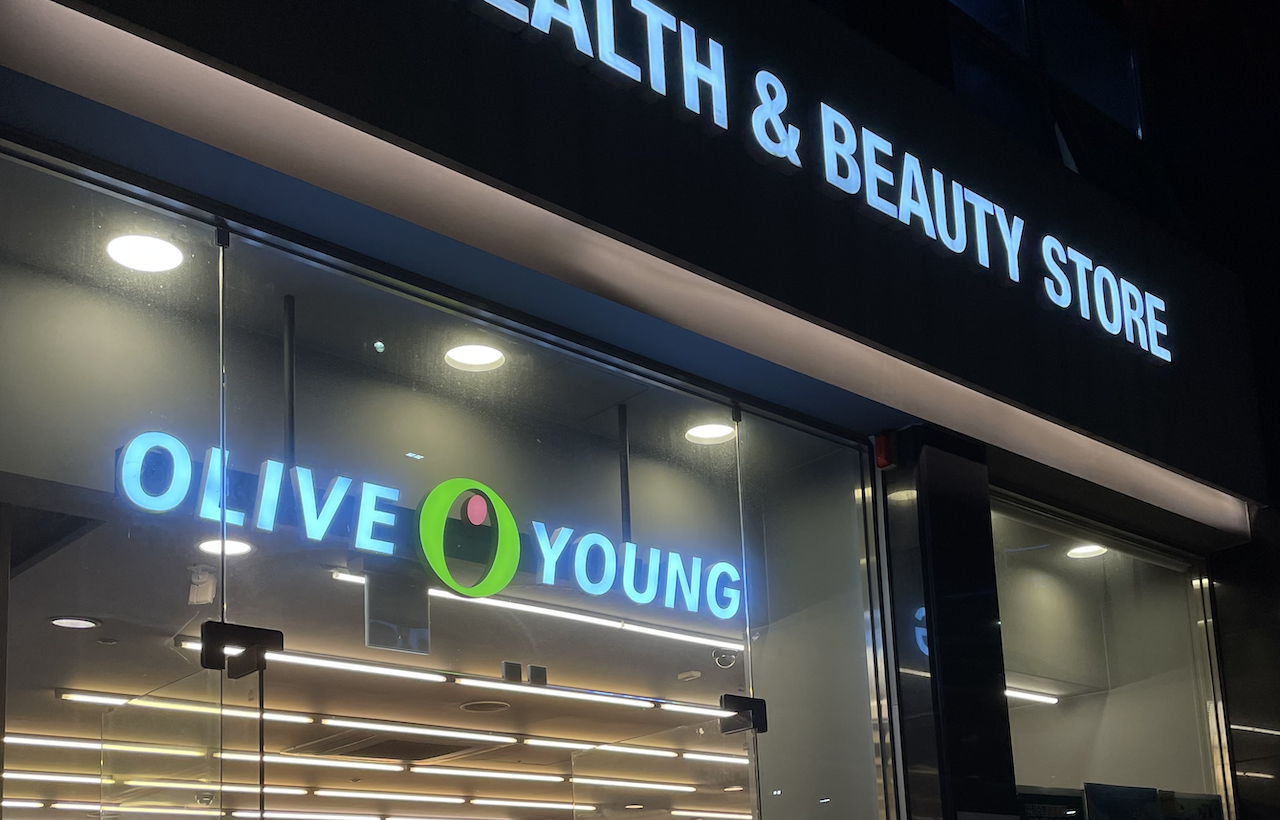
While personal color theory originated in the West back in the 20th century, South Korea has refined it into an exact science. In Seoul, your color season does not just dictate your wardrobe; it influences your job interview makeup, your wedding theme, and even the hair dye shade you choose at the salon. Walking down Myeongdong street at night lined with glowing ARITAUM and ARTBOX beauty shop signs, you realize how deeply embedded visual presentation is in modern Korean society.
What makes Seoul the absolute best place in the world to get analyzed is the sheer level of detail and technological integration. Korean consultants do not just hold up fabric swatches and say, “You look great in blue.” They use advanced skin-tone measuring devices (spectrophotometers) to calculate your exact L*a*b* skin values (measuring brightness, redness, and yellowness) before they even pick up a single piece of draping fabric. The level of precision here is unmatched, and because of the booming tourism market, many top-tier studios now offer dedicated, fluent English and Chinese translation services.
What Actually Happens During a Session?
When you book a session, you are paying for an eye-opening educational experience. A standard 1-on-1 session typically lasts about 60 to 90 minutes. Here is exactly what you can expect from start to finish:
Step 1: The Machine Measurement
After sits down at a bright vanity illuminated by natural-light-mimicking LEDs, the consultant will press a small, white device against your bare cheek. This machine analyzes your skin’s undertone. You will see real-time data showing whether your skin naturally leans cool (pink/blue undertones) or warm (yellow/peach undertones), and where you sit on the spectrum of brightness.
Step 2: The Draping Process
This is the heart of the analysis. You will be draped in a white cape and a white head cover to block out your current hair color and clothing. The consultant will then rapidly layer and pull away dozens of colored fabric drapes under your chin. As they do this, you will watch your face transform in the mirror. With the wrong color (for me, a muddy mustard yellow), dark circles under your eyes will instantly magnify, and your jawline will look shadowed. With the right color (a crisp cornflower blue), your skin will magically look even, bright, and lifted. It feels like real-life Photoshop.
Step 3: Pouch Analysis and Makeup Recommendation
My favorite part is the pouch analysis. You are instructed to bring your everyday makeup bag. The consultant will go through your products one by one, sorting them into “yes” and “no” piles. Afterward, they will bring out a massive tray of Korean cosmetics specifically suited to your new color profile. They will let you swatch lip tints, eyeshadows, and blushes, and will write down the exact brand names and shade numbers so you can shop for them immediately after your appointment.
How to Book: The Expat Secrets to Securing a Slot
If there is one mistake I see tourists make constantly, it is trying to book a personal color session two days before they land in Seoul. The best English-speaking studios book out weeks—sometimes months—in advance. I recommend setting an alarm for when reservation calendars open, which is usually on the 1st or 15th of the preceding month.
To book, you have three primary routes. First, you can use global travel booking platforms like Creatrip or Klook. These platforms are incredibly user-friendly, handle payments in your local currency, and feature heavily vetted studios with guaranteed English translation. Second, you can book directly via Instagram or KakaoTalk (the local messaging app). Many boutique studios like Color Society or Dustmoth CC manage their bookings through direct messages or Naver Booking links. If you book directly, be prepared to pay a deposit via bank transfer, which can sometimes be tricky for international tourists without a Korean bank account—which is why platforms like Creatrip are often the safest bet.
Price Breakdown: What Should You Pay?
Prices vary significantly depending on the location, the depth of the analysis, and whether you require a dedicated translator. Below is a realistic breakdown of what you should expect to pay in Seoul:
| Session Type | Average Price (KRW) | Average Price (USD) | What is Included? |
|---|---|---|---|
| 1:2 Group Session (With a friend) | 80,000 – 110,000 per person | ~$60 – $85 USD | Basic machine reading, fabric draping, and brief makeup recommendation. Great value for friends traveling together. |
| Standard 1:1 Private Session | 130,000 – 170,000 | ~$100 – $130 USD | Full private draping, jewelry analysis, detailed hair color recommendations, and thorough cosmetics audit. |
| Premium 1:1 with Makeup Application | 180,000 – 260,000 | ~$140 – $200 USD | Everything in the standard package, plus a professional makeup artist applying a full face of makeup in your exact colors. |
Pro Tips for Tourists
- Go completely makeup-free: Do not even wear sunscreen or colored lip balm to your appointment. Any tint will skew the spectrophotometer reading and the visual effect of the drapes. Most studios have cleanser on hand if you must wear makeup during your subway ride there.
- Avoid colored contact lenses: Wear clear contacts or your normal glasses. Colored lenses mask your natural eye color, which is a key component the consultant uses to determine your seasonal contrast.
- Take videos, not just photos: The subtle shift in how your skin reacts to different drapes is incredibly hard to capture in photos. Ask the translator or a friend to record a video of the entire draping process so you can review it later.
- Do not book on your very last day: You will want plenty of time to explore the city’s shopping districts post-analysis. Armed with your newly curated shopping list, you will want to head straight to the nearest major Olive Young to test out your recommended products.
Frequently Asked Questions
Can I get a personal color analysis if I have a deeper skin tone?
Absolutely! While the industry historically catered to pale East Asian skin tones, modern Seoul studios are highly experienced with global skin tones. When booking, look for studios that specifically advertise “global color analysis” or check reviews on platforms like Creatrip to see feedback from diverse clients.
Do I need to bring a translator with me to the appointment?
If you book a package that explicitly lists “English Session” or “English Translator Included,” you do not need to bring anyone. The studio will provide a fluent interpreter. However, if you book a standard Korean-only session because it is cheaper, you must bring a translator, as the terminology used during the process is quite technical.
Will my seasonal color change if I get a deep summer tan?
No, your core genetic undertone (warm vs. cool) does not change when you tan, though your brightness and contrast levels might shift slightly. Your designated season will remain the same, but you might find yourself leaning into different shades within your seasonal palette when your skin is at its darkest or lightest.