
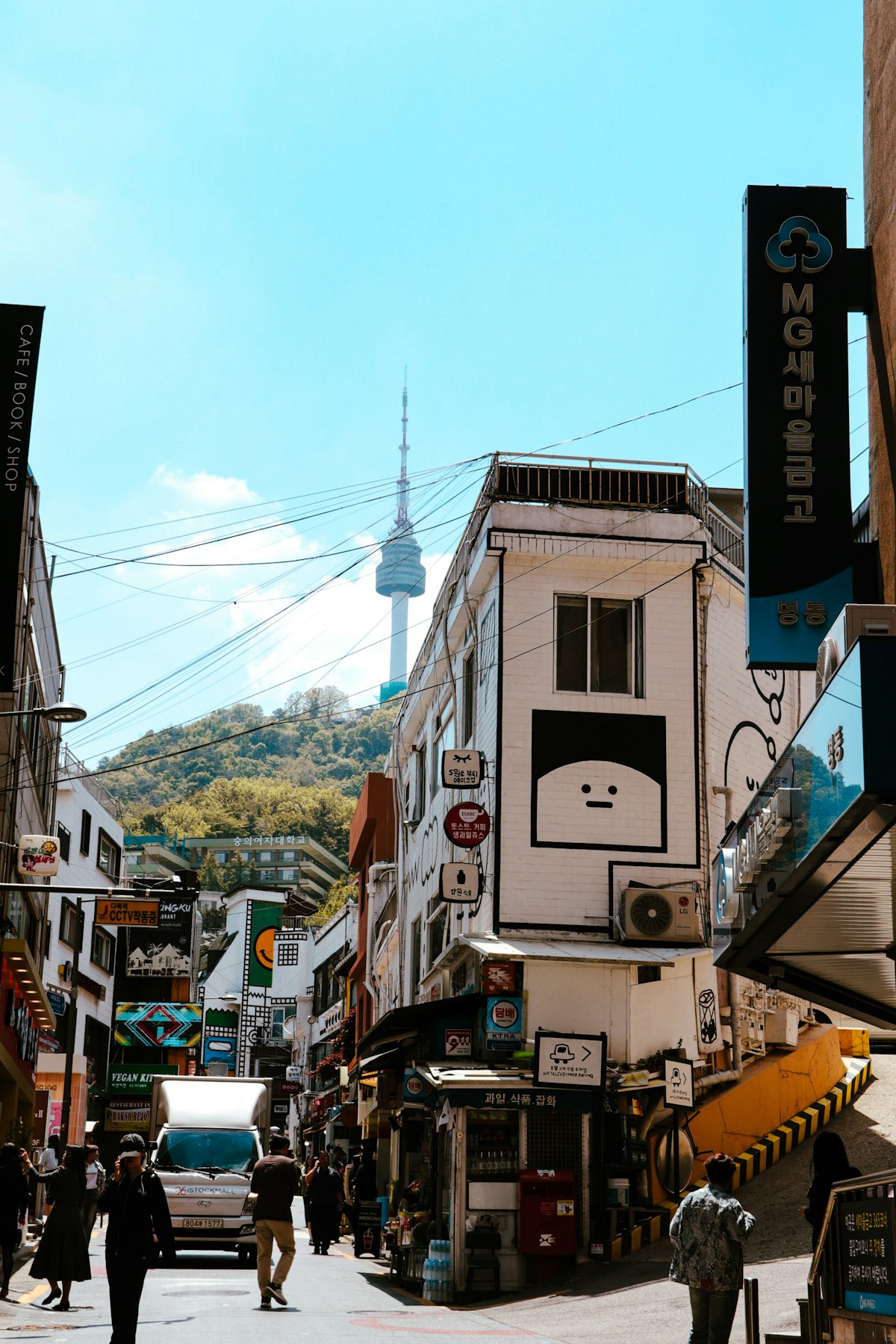

When I packed my bags to move to Seoul five years ago, I thought my thick wool coat from back home would be more than enough. I was incredibly naive. My first morning walking down a narrow side street in daylight, with the majestic N Seoul Tower rising sharply behind the tiled rooftops, the wind hit me. It wasn’t just cold; it felt like a personal attack. The Siberian winds that sweep down across the Korean Peninsula do not care about your fashion choices. If you are planning a trip here between December and February, you need to prepare for a dry, biting, bone-deep freeze.
I’ve spent five winters here now, learning the hard way how to survive without looking like a bloated marshmallow—though, honestly, looking like a marshmallow is actually the local style. To save you from freezing on your dream vacation, I’ve compiled this ultimate, battle-tested packing guide. This is the honest, no-nonsense advice I wish someone had given me before I landed in this beautiful, icy wonderland.
- The Core Strategy: Master the three-layer system (Base, Mid, Outer) rather than relying on one heavy jacket.
- The Outerwear King: A long padding jacket (floor-length puffer) is a non-negotiable life-saver.
- Footwear Matters: Wear flat, insulated, slip-resistant shoes; Seoul’s hills turn into ice rinks.
- Local Secrets: Buy cheap hotpacks at convenience stores and load up on K-Beauty moisturizers.
The Reality of the Seoul Winter: Dry, Windy, and Brutal

Seoul’s winter is unique because it isn’t just cold; it is incredibly dry and windy. Temperatures regularly hover around -5°C to -15°C (23°F to 5°F), but the wind chill can easily make it feel like -20°C (-4°F). The lack of humidity means the cold cuts straight through denim and loose knits. Your skin will dry out within hours, and your lips will chap to the point of bleeding if you aren’t prepared.
During my first winter, I dragged my sister to Gyeongbokgung Palace. Seeing visitors in beautiful, colorful hanboks walking in front of the grand palace with the snow-dusted Bugaksan mountain behind looked like a dream. We rented them too. But beneath that thin, elegant silk, we had nothing but normal jeans. The wind cut through us like a razor. We lasted exactly twelve minutes before running into a nearby cafe, shivering uncontrollably. If you are going to wear a hanbok in winter, you absolutely must wear fleece-lined leggings and a heat-retaining thermal top underneath!
The Three-Layer Rule: Your Winter Survival Blueprint
To survive a full day of sightseeing, you need to dress like an onion. The key is trapping air between layers. Here is the exact combination I wear when the temperature drops below zero:
1. The Base Layer (Thermal Underwear)
Do not skip this. Your base layer should be a snug-fitting, moisture-wicking thermal top and bottom. My absolute go-to is Uniqlo’s Heattech Extra Warm or Ultra Warm. If you underpack, don’t worry—you can walk into any Uniqlo in Myeongdong or Gangnam and buy these for about 15,000 to 25,000 KRW ($11 to $19 USD) per piece. Put them on first thing in the morning under your jeans and sweater.
2. The Middle Layer (Insulation)
This layer keeps the heat in. Think fleece zip-ups, wool sweaters, or ultra-light down vests. I highly recommend a thin, packable down vest. They are incredibly popular in Korea because you can wear them under your main coat and easily roll them up into your bag when you enter a heavily heated indoor space.
3. The Outer Layer (The Ultimate Shield)
In Seoul, you will quickly notice a uniform: the long padding (롱패딩 – floor-length down puffer jackets). When I first arrived, I thought they looked ridiculous, like walking sleeping bags. Now? I own two. They are essential because they block the wind from freezing your thighs and knees when walking between subway stations. If you don’t want to buy one, bring the longest, thickest windproof and waterproof coat you own.
Footwear and Accessories: Don’t Neglect the Extremities
Your core might be warm, but if your feet and hands freeze, your day is ruined. Seoul is a city of hills, stairs, and cobblestones. When snow melts and refreezes overnight, sidewalks become treacherous ice rinks—especially in hilly tourist areas like Bukchon Hanok Village or Ihwa Mural Village.
This brings me to my second rookie mistake. During my first January here, I was walking around Insadong with bare hands because I wanted to take photos easily. My fingers became so numb I couldn’t feel them. When I tried to exit the Anguk Station subway gate, my clumsy, frozen hands dropped my T-money card. I tapped the wrong turnstile, got stuck, and couldn’t even press the help button because my hand was stiff as wood. To make matters worse, my phone battery suddenly died—a common side effect of the extreme cold on lithium batteries! Always wear gloves and keep your hands covered.
For footwear, leave the thin fashion sneakers at home. You need flat boots or sturdy sneakers with thick, rubber soles. Combine them with merino wool socks. I also recommend buying heat-retaining insoles at Daiso for just 1,000 KRW ($0.75 USD) to put inside your shoes for an extra layer of barrier against the frozen concrete.
What to Pack vs. What to Buy in Seoul
You don’t need to stuff your suitcase to the bursting point. Seoul is a shopping paradise, and you can easily purchase high-quality winter gear locally. Use this comparison table to plan your luggage space efficiently:
| Item | Pack from Home? | Buy in Seoul? | Estimated Price in Seoul |
|---|---|---|---|
| Long Puffer Coat | Yes, if you own a high-quality one. | Yes, for the local “long padding” style. | 100,000 – 300,000 KRW ($75 – $225 USD) |
| Thermal Base Layers | Pack 1-2 starter pairs. | Yes, buy more at Uniqlo or SPAO. | 15,000 – 29,000 KRW ($11 – $22 USD) |
| Chemical Hot Packs | No, they are too heavy for luggage. | Yes, essential local purchase. | 1,000 – 1,500 KRW ($0.75 – $1.15 USD) each |
| Moisturizers & Lip Balm | Pack basic travel sizes. | Yes, upgrade to K-Beauty at Olive Young. | 5,000 – 25,000 KRW ($3.80 – $19 USD) |
| Touchscreen Gloves | Yes, bring a good pair. | Yes, available at Daiso or street stalls. | 2,000 – 10,000 KRW ($1.50 – $7.50 USD) |
Pro Tips for Tourists
- The Magic of Hotpacks (핫팩): You can buy these chemical hand warmers at any CU, GS25, or 7-Eleven. Give them a good shake, put them in your coat pockets, and they will stay toasty warm for up to 12 hours. I buy them in bulk.
- Prepare for “Ondol” Shock: Korean indoor heating is underfloor (called ondol) and it is incredibly powerful. You will walk from -10°C outside into a roasting 25°C inside a restaurant, cafe, or subway car. Wear layers that are easy to unzip or peel off quickly so you don’t overheat indoors.
- Street Food Fuel: If you are freezing while exploring, look for a street food cart. My go-to winter fuel is hotteok (sweet, cinnamon-filled fried pancakes) or eomuk (fish cake skewers). For just 2,000 KRW ($1.50 USD), you get a hot snack and a cup of steaming, savory broth to drink for free, which warms your hands and soul instantly.
- Protect Your Phone Battery: Lithium-ion batteries absolutely hate the cold. Keep your phone in an inner pocket close to your body heat, and always carry a fully charged portable power bank.
Frequently Asked Questions
Is a long padding jacket absolutely necessary for a short trip?
No, it is not mandatory, but you will need to compensate with high-quality mid-thigh coats and thicker pants. If you only wear regular jeans without thermal leggings underneath, the wind will cut straight through them. If you plan to spend hours walking outside, long padding is highly recommended.
Can I wear Hanbok in the winter?
Yes! Wearing a hanbok grants you free entry to Seoul’s major palaces. However, traditional rental hanboks are made of thin silk or polyester. You must wear a warm thermal top (preferably skin-toned or white to match the dress), fleece-lined leggings, and flat, warm shoes underneath the skirt.
Where can I buy cheap winter clothes if I underpacked?
Head straight to the Express Bus Terminal Underground Shopping Center (known as Goto Mall) or the shopping streets of Hongdae and Ewha Womans University. You can find stylish wool coats, sweaters, beanies, and scarves starting at just 10,000 to 20,000 KRW ($7.50 – $15 USD).