
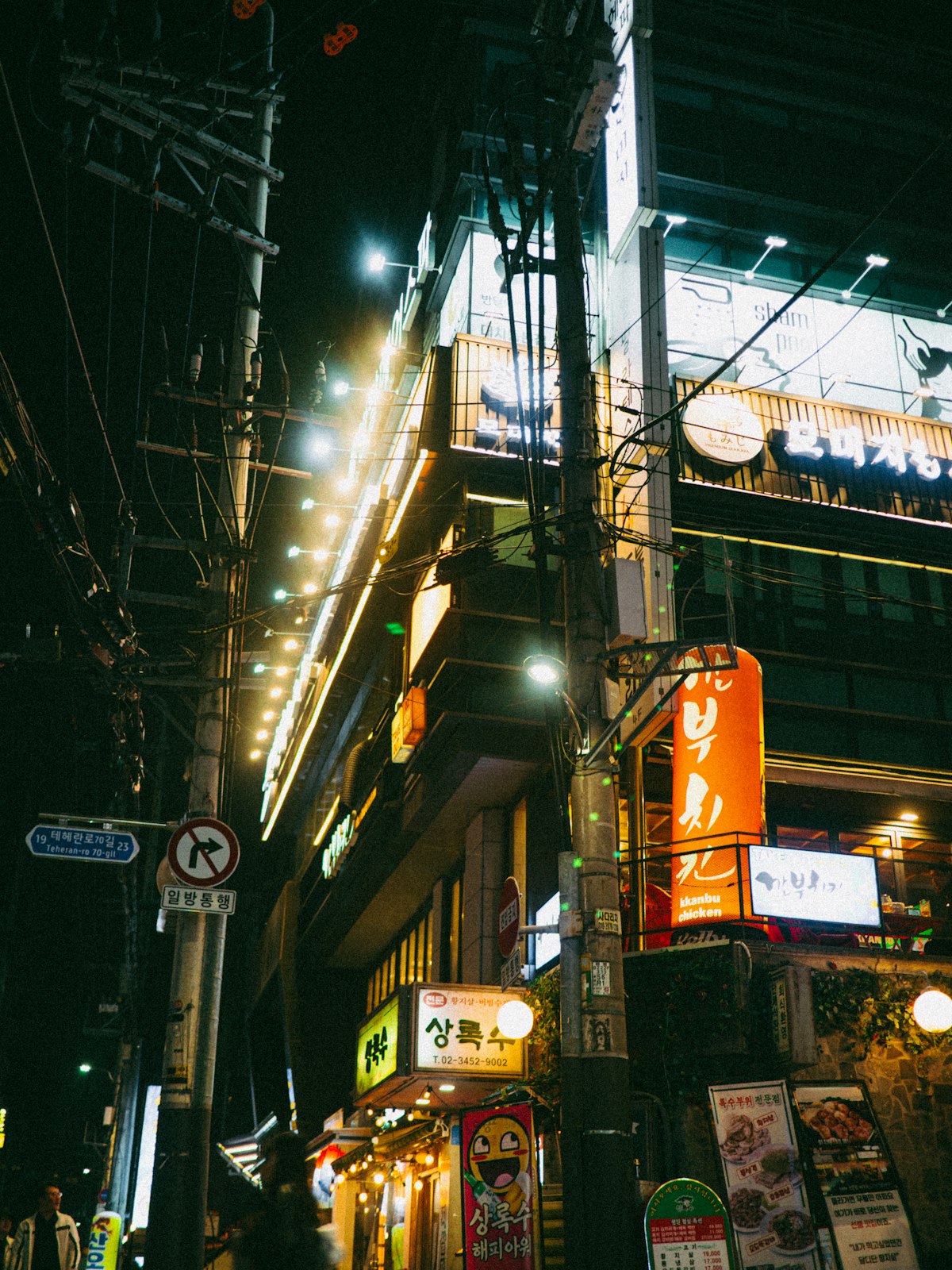

When I first moved to Seoul five years ago, dining out at hype-heavy spots felt like entering an impenetrable fortress. I still vividly remember shivering in Ikseon-dong on a biting December evening, watching stylish locals glide past a clipboard line into an aromatic Hanwoo beef restaurant because they had reserved via a digital app. Meanwhile, my foreign credit card and overseas phone number meant nothing to the domestic booking platforms. I ended up waiting two hours in sub-zero winds, nursing a canned warm barley tea from a convenience store, just to get a lukewarm seat near the drafty kitchen door.
Fast forward to today, and the culinary landscape has completely changed for international visitors thanks to Catch Table Global. Korea’s reigning restaurant reservation powerhouse finally built a dedicated English-language app that accepts international numbers and foreign credit cards. You no longer need an Alien Registration Card (ARC) or a domestic Korean SIM card to book fine dining, trendy Seongsu cafes, or coveted pork belly spots. Here is my battle-tested guide to mastering Catch Table Global so you never spend your precious holiday standing on a sidewalk in the freezing cold.
- Catch Table Global allows foreign travelers to book top Seoul restaurants using non-Korean phone numbers and international credit cards.
- It offers two core features: advance date reservations (often requiring a deposit of ₩10,000 to ₩50,000) and live remote queuing (“Waiting”) for walk-in crowds.
- Always download the Global version from your app store—the domestic Korean version still requires local telecom identity verification.
- Booking windows for high-end omakase or Michelin-starred spots open on set calendar days at midnight or midday KST; set your alarm.
Why Catch Table Global Is Non-Negotiable for Seoul Foodies

To understand why this app is essential, you have to understand the modern dining culture in Seoul. Korean diners hate waiting in physical lines just as much as you do. For years, platforms like Naver Place, Tableing, and the domestic Catch Table handled almost all restaurant traffic. However, these services strictly enforced South Korea’s bon-in injeung (identity verification) system, which demands a domestic telecom contract linked directly to a Korean resident number. Tourists were completely locked out.
With Catch Table Global, that digital barrier disappeared. The platform curates everything from Michelin-starred fine dining in Cheongdam and Hannam-dong to buzzy natural wine bistros in Euljiro and high-turnover samgyeopsal joints in Hongdae. If you plan to eat anywhere featured on trending social media or critically acclaimed dining lists, walking in without a booking during peak hours (6:30 PM to 8:30 PM) is practically a guaranteed rejection.
Step-by-Step: Setting Up and Navigating the App
Setting up the app takes less than five minutes, but there are a few quirks you should know before you start browsing menus.
1. Download the Correct Application
Search your iOS App Store or Google Play Store specifically for Catch Table Global (the app icon features a stylized black-and-red design, often labeled with English text). If you download the standard Korean version, you will immediately hit an identity verification wall that requires a local Korean telecom carrier.
2. Account Registration
You can sign up using an email address, Apple ID, or Google account. When inputting your mobile phone number, select your country code carefully. You will receive an SMS verification code; make sure your phone plan allows incoming international text messages while traveling, or complete this setup before boarding your flight to Incheon.
3. Understanding the Reservation Mechanics
Once inside, restaurants fall into two primary booking methods:
- Standard Bookings: You select a specific future date, party size, and time slot. Many venues require a deposit per person (usually ₩10,000 to ₩50,000 / $7.50 to $38 USD), charged directly to your foreign credit card (Visa, Mastercard, JCB). This deposit is automatically refunded upon arrival or deducted from your final bill depending on restaurant policy.
- On-Site / Remote Waiting: Certain casual hotspot venues do not accept advance bookings. Instead, they operate a digital line. Once you are within proximity or when the queue opens at a set hour, you click “Wait” in the app to join the virtual line and monitor your position in real-time.
| Booking Method | Target Dining Types | Payment Requirements | Best Strategy |
|---|---|---|---|
| Advance Booking | Upscale K-BBQ, Michelin dining, Hanwoo omakase | Deposit required (₩10,000–₩50,000 per person) | Book 2 to 4 weeks prior; monitor specific monthly release dates. |
| Remote Waiting | Viral noodle bars, trendy cafes, popular street eateries | Free (no deposit) | Queue in the app 45–60 minutes before you want to eat; explore nearby shops. |
| Physical Walk-in | Traditional neighborhood markets, 24/7 soup spots (Gukbap) | Pay after dining | Skip apps entirely; visit during off-peak hours (before 11:30 AM or after 1:30 PM). |
Hard Lessons Learned: Mistakes to Avoid
Even with an English interface, navigating dining culture in Seoul carries specific unspoken rules. Last summer, I made the amateur mistake of joining a remote queue for a trendy salt bread cafe in Seongsu-dong while browsing boutiques three subway stops away. When our number was called, the app gave us a strict five-minute window to check in with the host. We were still stuck on Line 2. The system automatically canceled our spot, forfeiting an hour and a half of wait time.
Another crucial factor is deposit forfeiture policies. Korean cancellation terms are strict and enforced without exception. If you cancel less than 24 to 48 hours before your booking, or if you show up more than 10 to 15 minutes late, your deposit is gone. Unlike some Western restaurants that hold your table for half an hour, high-volume Seoul kitchens operate on tight seatings. If you are running late, message through the app immediately or accept the loss.
Pro Tips for Tourists
- Watch the Time Zones: Elite dining spots often release calendar slots on the 1st or 15th of each month at 00:00 KST (Korea Standard Time). If you are reserving from London, New York, or Sydney, convert the time accurately to secure coveted seats.
- Enable Push Notifications: Turn notifications on for Catch Table Global. When using the “Waiting” feature, the app sends alerts when you are 5th in line, 3rd in line, and when your table is ready. Missing that push alert means losing your table.
- Keep a Secondary Payment Method Handy: Some overseas banks trigger fraud protection on small Korean won transactions. If your foreign card declines the deposit, try another travel card (such as Wise or Revolut) or contact your bank beforehand.
- Use Romanized & Hangul Names: If you cannot find a spot using its English name, paste the Korean Hangul name into the search bar. Sometimes translations on menus or storefronts differ slightly from the registered database name.
- Know When to Walk Away: Do not use Catch Table for traditional neighborhood markets (like Gwangjang or Mangwon) or casual 24-hour pork bone soup (gamjatang) houses. Those places operate on quick physical rotations; app-based bookings are neither offered nor necessary there.
Frequently Asked Questions
Do I need a Korean phone number to use Catch Table Global?
No. Catch Table Global was specifically engineered to bypass local phone verification. You can register using an international phone number from the United States, Europe, Australia, Singapore, and dozens of other countries, receiving verification codes via SMS without hassle.
How do deposit refunds work if I keep my reservation?
When you arrive and confirm your reservation with the host, the restaurant will process your deposit refund on the spot. Depending on your bank, the pre-authorization hold or charge of ₩10,000 to ₩50,000 will reverse back to your foreign card within 3 to 7 business days, and you will pay for your actual meal at the table.
What is the difference between Catch Table Global and Tableing?
While both are popular restaurant booking platforms in South Korea, Tableing still overwhelmingly requires a verified domestic Korean phone number for both app reservations and tablet kiosks. Catch Table Global is currently the most foreigner-friendly solution that permits booking and queuing using international credit cards and overseas numbers.