
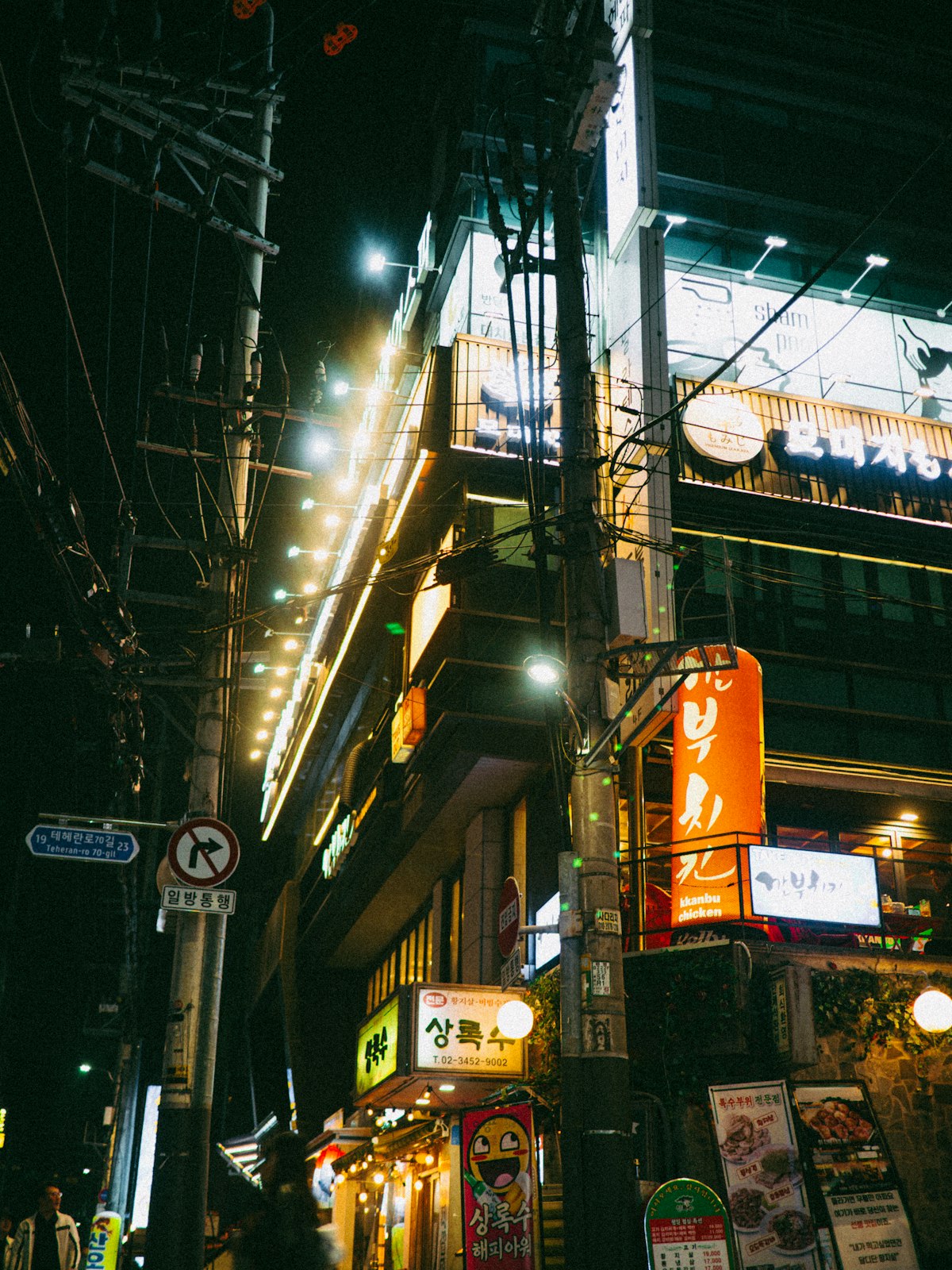

Navigating foreign financial etiquette is one of the most stressful parts of international travel. For travelers visiting South Korea for the first time, questions about gratuity are bound to arise quickly. Should you leave a few thousand Korean Won on the table after a delicious Korean BBQ dinner? Do you tell your Seoul taxi driver to keep the change? Does your luxury hotel porter expect a cash tip after bringing your bags up to the twentieth floor?
The short answer is straightforward: tipping is not customary in South Korea. In fact, leaving extra cash behind can sometimes cause confusion, awkwardness, or even mild embarrassment for service staff who might run down the street to hand you back the money you forgot. However, as South Korea welcomes an increasing number of international travelers, subtle nuances have emerged in specific tourist-heavy environments. This guide breaks down everything you need to know about Korean tipping culture across restaurants, taxis, hotels, and tours.
- Restaurants & Cafes: No tipping. Service charges and taxes are built into menu prices. You pay at the front register upon leaving.
- Taxis: No tipping. Fares are strictly metered. Rounding up small change is acceptable but not required.
- Hotels: No tipping standard. High-end five-star hotels may add a 10% service fee directly to your bill.
- Tour Guides & Drivers: Optional. Tipping is not expected, but small cash gratuities for exceptional private guides are appreciated.
The Core Rule: Why Tipping Is Not Part of Korean Culture

To understand why tipping does not exist in South Korea, it helps to look at how the service industry operates. In South Korean society, exemplary customer service is considered a basic standard rather than an extraordinary action that requires an extra monetary reward. Workers in hospitality and retail are paid fixed wages, and legal minimum wage regulations apply across all formal employment sectors.
Additionally, South Korea operates under a transparent pricing model. According to Korean consumer protection laws, all prices displayed on menus, price tags, and service boards must represent the final price. This total includes the mandatory 10% Value Added Tax (VAT) and any applicable service charges. When you see a dish listed for 12,000 KRW, you will pay exactly 12,000 KRW at the register—not a single won more.
Refusing tips is also tied to personal dignity and professional pride. Attempting to tip a server in a traditional establishment can accidentally send the wrong signal, implying that their employer does not pay them fairly or that you are offering charity. Understanding this mindset will help you feel completely comfortable paying only the exact listed price during your stay.
Restaurant and Cafe Etiquette in South Korea
Dining out in Korea is a lively, efficient, and interactive experience. From cozy neighborhood noodle shops to bustling Korean barbecue restaurants in Hongdae or Myeongdong, the rule remains universal: do not tip your server under any circumstances.
How Payment Works at Korean Eateries
Unlike Western dining where your waiter brings the receipt to your table at the conclusion of the meal, Korean restaurants operate on a centralized payment system. When your food is served, the staff will typically place an itemized receipt slip on your table or in a designated holder. When you finish eating, simply pick up this slip and bring it to the cash register near the main exit to pay.
Many modern establishments feature call buttons located on the edge of the table. Pressing this button rings a chime and displays your table number at the service station, prompting a server to assist you with extra side dishes (banchan) or water refills. This service is fully inclusive, and extra banchan refills are almost always free of charge.
Westernized Bars and Tip Jars
In recent years, a few Western-style pub chains, cocktail lounges, and craft coffee houses in heavily foreign districts like Itaewon or Hongdae have placed tip jars near the register. While these jars exist to accommodate Western tourists who feel compelled to leave extra money, locals and long-term expats completely ignore them. Leaving change in these jars is purely optional and never anticipated.
Taxi Etiquette: Fares, Payment Methods, and Small Change
Taxis in South Korea are clean, safe, and surprisingly affordable compared to cities like Tokyo, New York, or London. Whether you hail a regular orange Seoul taxi, a silver cab, or book a ride through Kakao T, tipping your driver is unnecessary.
All official taxis run strictly on calibrated digital meters. The meter calculates the base fare plus distance and time charges automatically. When paying with international credit cards or contactless transit cards like T-Money, the machine charges the exact sum displayed on the meter screen.
The Exception: Rounding Up Cash Fares
If you choose to pay your taxi fare in physical cash, a minor exception to the no-tipping rule exists. If your fare comes to 6,600 KRW and you hand the driver a 7,000 KRW bill, it is perfectly acceptable to say “Gwaenchana-yo” (It is okay) or “Keep the change.” Drivers appreciate avoiding the hassle of counting out minor coins. However, if you wait for change, the driver will hand back every single coin without hesitation.
Hotel Etiquette: Porting, Housekeeping, and Concierge Services
Hotel customs in Korea follow a simple framework: front-line hospitality workers perform high-level service as part of their standard duties, and tipping individual employees is not customary.
Bellhops and Porter Services
In mid-range and boutique hotels, guests transport their own luggage. In luxury four-star and five-star properties (such as The Shilla, Lotte Hotel, or Grand Hyatt), bell staff will readily carry your luggage up to your guest room. They do not expect a tip upon delivering your bags. Attempting to hand cash to a hotel bellhop will likely lead to polite refusal.
Housekeeping Envelopes
Leaving cash on the nightstand or pillow for room attendants is standard practice in North America, but unnecessary in South Korea. If you leave loose cash out in your room, housekeeping staff will intentionally leave it untouched, assuming it is your personal money. If you insist on expressing gratitude for extraordinary cleanliness after a long stay, place cash inside a sealed envelope marked “Thank You” or “Gamsahabnida” alongside a handwritten note.
Tour Guides, Private Drivers, and Spa Services
While general public service sectors strictly forbid tipping, specialized travel services operate with slightly more flexibility regarding gratuities.
For organized group tours (such as DMZ day trips or Seoul city bus tours), tipping is not required. However, if you book a private multi-day tour guide or private driver who goes above and beyond to personalize your itinerary, offering a small tip (around 10,000 to 30,000 KRW per day) in a discreet envelope is a warm gesture. Similarly, at luxury day spas or high-end traditional massage centers, service fees are built into the invoice price, so direct tipping is not expected.
South Korea Tipping Overview by Category
| Service Category | Is Tipping Expected? | Standard Practice | Special Notes |
|---|---|---|---|
| Casual Restaurants & BBQ | No | Pay menu price at register | Taxes included; banchan refills are free |
| Cafes & Bakeries | No | Pay at register before ordering | Tip jars in foreigner hubs are purely optional |
| City Taxis & Apps | No | Pay exact meter amount | Rounding up small change cash is fine |
| Hotel Porters & Housekeeping | No | Included in room rate | 10% service fee added to 5-star hotel bills |
| Private Tour Guides | Optional | Discreet envelope for top service | Never mandatory, but greatly appreciated |
Pro Tips for Tourists
- Express Verbal Thanks Instead: Rather than leaving money, show appreciation by saying “Gamsahabnida” (Thank you) or “Mas-iss-ge meog-seob-nida” (I enjoyed the meal) upon leaving.
- Always Hand Money with Two Hands: When presenting cash or credit cards to cashiers and drivers, offer the card using both hands or with your right hand supported at the elbow by your left hand as a sign of respect.
- Check for Table Registers: Remember to carry your table bill or receipt slip to the front desk when exiting a restaurant instead of waiting at the table.
- Use T-Money Cards for Seamless Transit: Load funds onto a T-Money card to cover subway rides, buses, and taxi fares effortlessly without fussing over physical cash coins.
Frequently Asked Questions
What happens if I accidentally leave a tip on a restaurant table in Korea?
If you leave cash on a restaurant table, the server will almost certainly assume you forgot your money or change. They will likely run out of the building to hand it back to you before you walk away.
Are taxes and service charges included in Korean menu prices?
Yes. Korean law mandates that all displayed prices in stores, restaurants, and service venues include the mandatory 10% Value Added Tax (VAT). What you see listed on the menu is the exact total you will pay.
Is it customary to tip Kakao T taxi drivers through the app?
No. While some hailing platforms have recently added an optional tipping prompt for rides, it remains entirely optional. Tipping drivers is not customary, and skipping the tip prompt in the app will not impact your rating or service quality.