

A unexpected downpour in Seoul can initially feel like a disruption to your travel itinerary, especially if you had planned to stroll through ancient palace courtyards or hike up Namsan Mountain. However, South Korea’s capital is uniquely engineered to withstand wet weather. Featuring sprawling underground shopping cities, architecturally breathtaking multi-story shopping malls, climate-controlled cultural hubs, and covered traditional markets, Seoul allows travelers to enjoy an entire day of exploration without ever opening an umbrella.
Rather than retreating to your hotel room when monsoon rains or autumn showers arrive, you can pivot to an indoor master plan that showcases the modern, creative, and indulgent side of Korean culture. From world-class indoor botanical gardens to massive K-beauty flagships and comforting rainy-day culinary traditions, here is your definitive guide to maximizing a rainy day in Seoul.
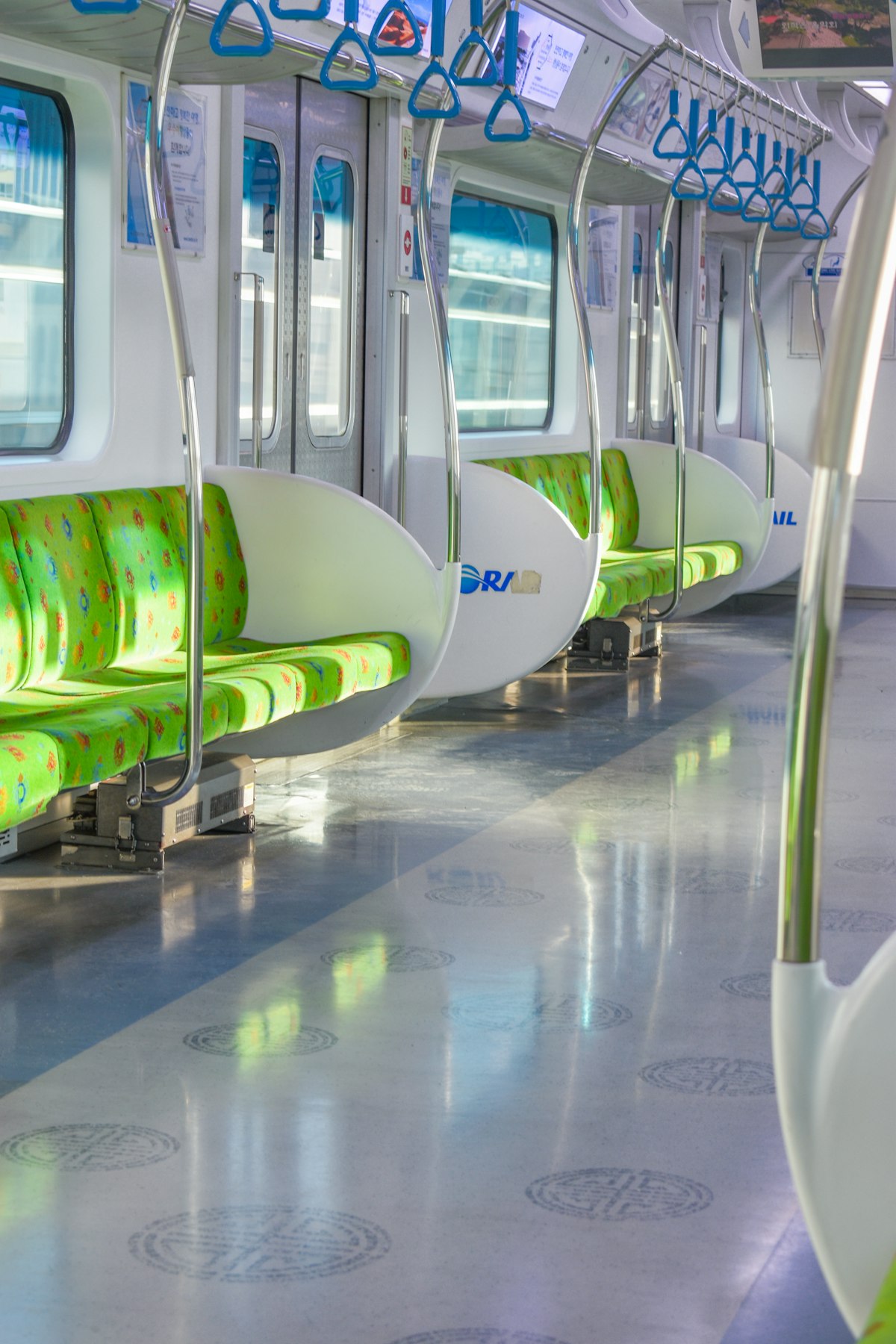
- Subway Connectivity: Seoul’s extensive underground transit system connects directly to major commercial centers, allowing seamless dry travel.
- Mega Indoor Hubs: Modern complexes like The Hyundai Seoul and Starfield COEX Mall integrate shopping, dining, art, and entertainment under one roof.
- Cultural Escapes: Climate-controlled landmarks such as the National Museum of Korea provide hours of immersive indoor exploration.
- Rainy Day Foods: Experience local traditions by pairing crispy seafood pajeon with chilled makgeolli at covered markets.
Navigating Seoul Underground: Transit and Retail Subterranean Corridors
One of Seoul’s greatest engineering marvels is its subterranean pedestrian network. Designed to keep the city moving regardless of weather extremes, the Seoul Metropolitan Subway system links directly into vast underground shopping malls (underground shopping centers or underground arcade) that stretch for several city blocks.
Major interchange stations serve as destination hubs in their own right. For instance, Express Bus Terminal Station (Lines 3, 7, and 9) houses Goto Mall, a 880-meter-long underground shopping corridor packed with over 600 individual shops offering affordable fashion, home decor, and cosmetics. Similarly, Gangnam Station Underground Shopping Center and Jamsil Underground Shopping Center allow visitors to shop for trendy apparel, tech accessories, and localized gifts entirely sheltered from precipitation.
Seoul’s Premier All-in-One Indoor Mega Hubs
When rain dominates the forecast, spending several hours inside a curated lifestyle complex provides entertainment, high-end dining, and leisure without feeling confined.
1. The Hyundai Seoul (Yeouido)
Opened as Seoul’s largest department store, The Hyundai Seoul transformed the retail space into an indoor sanctuary. Connected directly to Yeouido Station (Lines 5 and 9) via an underground walkway, this multi-floor architectural landmark features “Sounds Forest”—a 3,300-square-meter indoor park on the fifth floor filled with living trees, natural sunlight streaming through a glass glass ceiling, and soft lawn acoustics. Below, visitors can explore Tasty Seoul, the country’s largest food hall, bringing together renowned local bakeries, pop-up cafes, and international culinary concepts.
2. Starfield COEX Mall (Samseong-dong)
Located in Gangnam and connected to Samseong Station (Line 2) and Bongeunsa Station (Line 9), Starfield COEX Mall is the world’s largest underground shopping mall. At its center stands the famous Starfield Library, a massive, open-concept public space featuring 13-meter-tall glowing bookshelves housing over 50,000 books and magazines. Beyond photo opportunities, COEX offers an expansive aquarium, a multi-screen cinema, international fashion brand flagships, and dozens of Korean dining options.
3. Lotte World Tower & Mall (Jamsil)
Connected to Jamsil Station (Lines 2 and 8), Lotte World Mall offers a multi-story experience featuring a luxury department store, a dedicated K-beauty floor, a state-of-the-art aquarium, and an indoor concert hall. While low cloud cover might reduce visibility at Seoul Sky (the observation deck atop the 555-meter tower), the indoor attractions below easily justify a half-day stay. Additionally, adjacent to the mall is Lotte World Adventure, one of the world’s largest indoor amusement parks, making it ideal for families traveling during wet weather.
Comparing Seoul’s Top Indoor Rainy Day Destinations
| Destination | Subway Station Connection | Key Highlights | Best For |
|---|---|---|---|
| The Hyundai Seoul | Yeouido Station (Line 5/9) | Sounds Forest indoor garden, Tasty Seoul food hall, pop-up stores | Fashion-forward shopping, cafe hopping, modern photography |
| Starfield COEX Mall | Samseong Station (Line 2) | Starfield Library, COEX Aquarium, indoor cinema complex | Book lovers, families, general entertainment |
| National Museum of Korea | Ichon Station (Line 4/ 경의중앙) | Ten Thousand Years of History, Room of Quiet Contemplation, digital galleries | History enthusiasts, quiet reflection, budget travelers (free entry) |
| Goto Underground Mall | Express Bus Terminal (Line 3/7/9) | 800+ stalls of budget clothing, accessories, household decor | Bargain fashion shopping, local goods |
Cultural & Immersion Alternatives: Museums and Covered Markets
If large retail spaces are not your preference, rainy days offer an excellent excuse to dive deep into Korean art, history, and indoor street food.
World-Class Museums with Direct Transit Access
The National Museum of Korea, accessible directly via a covered walkway from Ichon Station Exit 2, is one of the largest museums in Asia. Housing priceless artifacts including national treasures like the Pensive Bodhisattva statues, it features spacious, beautifully climate-controlled halls. Entry to the permanent exhibition is completely free of charge. For modern art lovers, the Leeum Museum of Art in Hannam-dong or the National Museum of Modern and Contemporary Art (MMCA) near Samcheong-dong provide world-class gallery experiences sheltered from bad weather.
Traditional Covered Street Food Markets
In Korea, rainy days carry a famous culinary culture: eating pajeon (savory green onion pancake) and drinking makgeolli (unfiltered, lightly sparkling rice wine). The sound of rain falling is said to mirror the sizzling sound of pancake batter frying on a hot griddle.
To experience this tradition comfortably, visit historic markets with permanent arcade roofs. Gwangjang Market (near Jongno 5-ga Station) and Mangwon Market (near Mangwon Station) feature clear glass and steel roof canopy structures over their primary food alleys. Here, you can sit at stall counters and order freshly made *bindaetteok* (mung bean pancakes), *pajeon*, and piping hot bowls of *kalguksu* (hand-cut noodle soup) while staying dry.
Pro Tips for Tourists
- Utilize Moving Walkways and Direct Station Exits: Always check station floor maps or transit apps. Key underground complexes have dedicated exits (often labeled in English on Naver Map or KakaoMap) that connect directly without needing to surface to street level.
- Take Advantage of Mall Luggage Lockers: Major venues like COEX, The Hyundai Seoul, and Lotte Mall offer coin-operated or digital lockers near subway entrances so you don’t have to carry wet umbrellas or heavy bags while browsing.
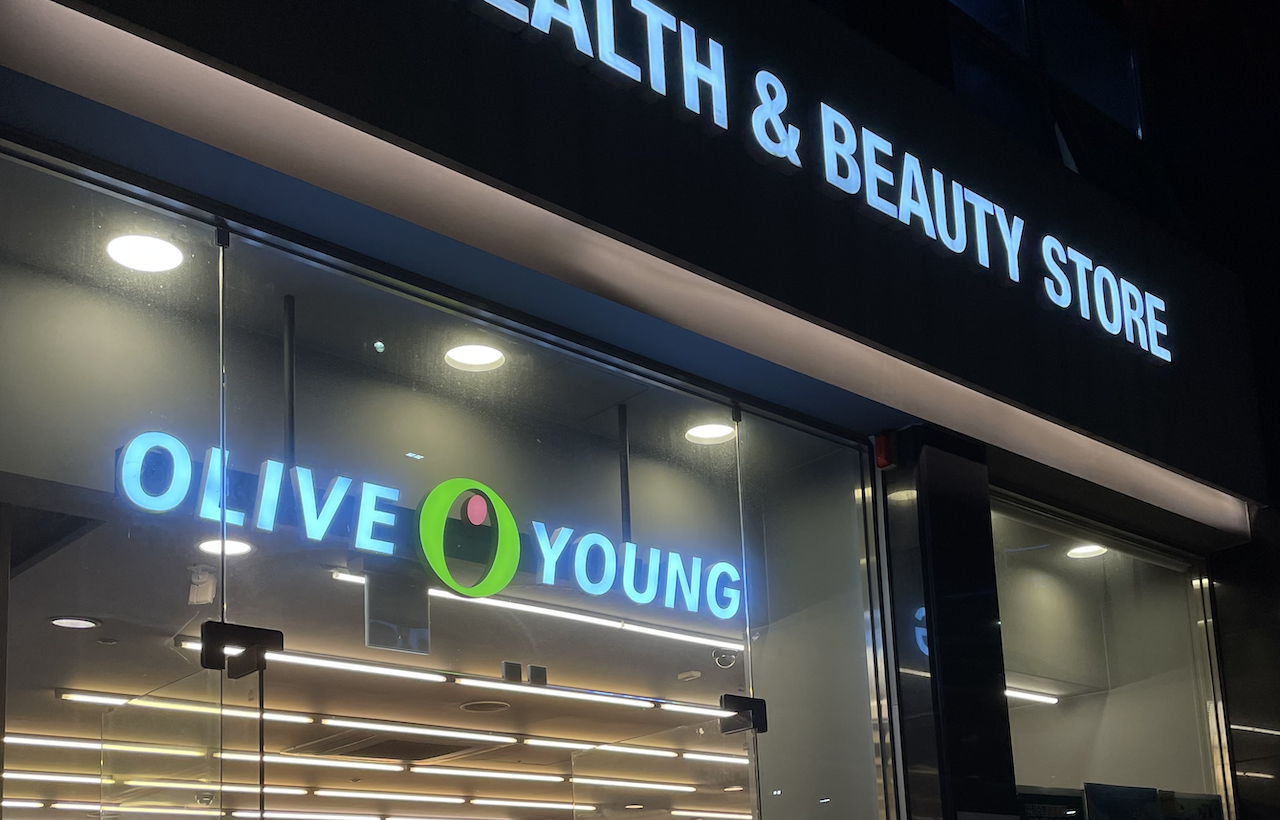
- Shop for K-Beauty in Multi-Story Flagships: Large cosmetics stores like Olive Young Myeongdong Town or Olive Young Gangnam Town offer floor after floor of skincare testing, resting lounges, and immediate tax-refund counters.
- Visit a Premium Jjimjilbang (Korean Sauna): For maximum comfort on a chilly rainy day, spend a few hours at upscale wellness facilities like Aquafield (located inside Starfield Goyang or Hanam) or Spa Lei for a relaxing indoor bathhouse experience.
- Carry a Compact Folding Umbrella: Even when sticking strictly to indoor routes, brief street crossings between subway exits and traditional market entrances can occur. Keep a small umbrella in your day pack.
Frequently Asked Questions
Is the Seoul subway connected directly to underground shopping malls?
Yes, dozens of Seoul subway stations feature direct underground connections to major shopping complexes and dedicated subterranean malls. Stations like Express Bus Terminal, Gangnam, Samseong, Jamsil, and Yeouido allow passengers to exit train gates and enter major shopping complexes without ever stepping outside into the rain.
What is the traditional Korean food to eat on a rainy day?
The most iconic Korean rainy-day combination is pajeon (savory green onion pancake) or bindaetteok (mung bean pancake) paired with makgeolli (Korean rice wine). Warm noodle soups such as kalguksu (hand-cut noodle soup) and sujeobi (hand-pulled dough soup) are also extremely popular comforts during wet weather.
Do museums and malls in Seoul offer umbrella covers or storage on rainy days?
Yes, almost all public museums, department stores, and shopping malls in Seoul provide free umbrella dryer machines or umbrella bags at entrances during rainy weather. Many venues also feature coin-operated or digital storage lockers where you can leave personal belongings while exploring.