
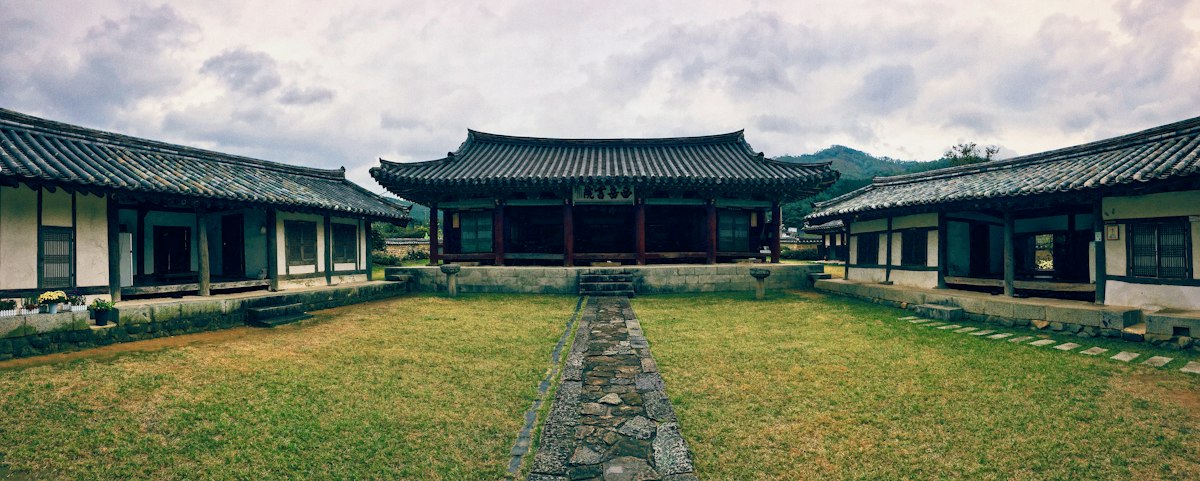

When I first moved to Seoul five years ago, I was completely overwhelmed by the sheer scale of this city. I remember my second week here, exhausted and hopelessly confused by the sprawling transit system, making the classic rookie mistake of tapping my T-money card at the wrong subway gate at Anguk Station. I was trapped on the wrong side of the turnstile, sweat-drenched, with crowds of hurried commuters rushing past me. Desperate to escape the noise, I stumbled out of Exit 6 and drifted into the winding alleys of Insadong. That was the afternoon I discovered my first traditional Korean tea house (dawon), and my relationship with Seoul changed forever.
Today, Insadong is a major tourist hub, and the main thoroughfare can feel incredibly commercial. When night falls, the main strip transforms, looking much like any other bustling Korean restaurant street at night lined with illuminated signs and souvenir shops. But do not let that fool you. If you know which side alleys to slip into, you will find ancient wooden hanoks where time has stood still for a century. Here is my personal, tried-and-tested guide to the absolute best traditional tea houses in Insadong, where you can swap the neon lights for quiet courtyards and steaming bowls of herbal medicine.
- Best Overall Hanok Vibe: Shin Old Tea House, a 100-year-old oasis with warm floor seating.
- Best for Eccentric Charm: Moon Bird Only Thinks of the Moon, packed with nostalgic vintage relics.
- Best Courtyard Views: Dawon (at Kyung-in Museum), offering stunning architecture and garden seating.
- Average Price: Expect to spend 8,000 to 10,000 KRW ($6.00 – $7.50 USD) per drink, which always includes complimentary traditional snacks.
The Art of Korean Tea: A Surprising Medicine

Before we dive into the locations, you need to know what you are ordering. Traditional Korean tea is rarely made from actual tea leaves. Instead, it is brewed from roots, fruits, grains, and medicinal herbs. My very first winter in Seoul, I came down with a brutal cold. A local friend dragged me to a tea house and ordered me a bowl of Ssanghwa-cha (쌍화차).
I expected a sweet, soothing herbal tea. Instead, I was served a thick, pitch-black, intensely bitter potion topped with floating pine nuts and jujube slices. In some places, they even drop a raw egg yolk in it! It tasted like drinking hot, liquefied earth. But after stubborn defiance and finishing the bowl, my fever broke by morning. Ssanghwa-cha is a powerful restorative tea packed with roots like peony and licorice. If you want something sweeter and more refreshing, go for Omija-cha (오미ja차), the five-flavor berry tea that hits sweet, sour, salty, bitter, and pungent notes all at once.
The Best Traditional Tea Houses in Insadong
1. Shin Old Tea House (신옛찻집)
If you only have time for one tea house, make it this one. Tucked away down a tiny, easily missed alley off the main Insadong street, Shin Old Tea House is housed in a 100-year-old hanok. As soon as you step over the threshold, the roar of Seoul instantly vanishes. You are greeted by the rich, comforting scent of boiling medicinal herbs and old wood.
The seating here is mostly traditional floor seating on thick silk cushions over heated floors (ondol), though they do have a few low chairs if your knees cannot handle the floor. The center of the hanok features a tiny, lush courtyard garden. My go-to order here is their Daechu-cha (대추차), a thick, sweet, and comforting jujube (Korean date) tea that feels like a warm hug. It is served with complimentary puffed rice cakes (hangwa). It costs around 9,000 KRW ($6.80 USD), which is standard for the high quality of ingredients they use.
2. Moon Bird Only Thinks of the Moon (달새는 달만 생각한다)
This place is wonderfully eccentric and packed with character. The walls are covered in decades of hand-written notes from travelers, and every corner is cluttered with vintage Korean masks, rustic pottery, and old oil lamps. The cozy, cluttered, and deeply nostalgic atmosphere here reminds me of the unpretentious warmth you feel when watching a local vendor cooking at a Busan street food stall under market umbrellas—it is busy, sensory, and incredibly charming.
They serve incredibly potent, home-brewed teas. Their Ssanghwa-cha is particularly strong and comes served in heavy, rustic clay bowls. If you want something lighter, their Mogwa-cha (quince tea) is beautifully sweet and fragrant. Every order comes with free, chewy grilled rice cakes (garaet떡) dipped in sweet honey. Expect to spend about 8,500 to 9,500 KRW ($6.50 – $7.20 USD) here. It is cozy, dark, and perfect for a rainy afternoon.
3. Dawon at the Kyung-in Museum of Fine Art (다원)
For those who want a visual feast, Dawon is unmatched. Located inside the beautiful courtyard of the Kyung-in Museum of Fine Art, this tea house combines traditional architecture with rotating modern art exhibitions. It features a spacious, open-air wooden pavilion where you can sit and look out onto a beautifully manicured Korean garden.
Because of its size, it feels slightly less intimate than Shin Old Tea House, but the garden views make up for it. I highly recommend their Omija iced tea during the scorching hot summer months. It is tart, sweet, and incredibly refreshing. At 10,000 KRW ($7.50 USD), it is on the pricier side, but you are paying for the peaceful outdoor setting and access to the free art galleries on-site.
Comparing Insadong’s Best Tea Houses
| Tea House | Vibe | Signature Drink | Price Range (KRW) | Best For |
|---|---|---|---|---|
| Shin Old Tea House | Quiet, ancient hanok, floor seating | Daechu-cha (Jujube) | 9,000 – 10,000 KRW | An authentic, slow afternoon |
| Moon Bird Only Thinks… | Quirky, retro, cozy clutter | Ssanghwa-cha (Medicinal) | 8,500 – 9,500 KRW | Rainy days and heavy, traditional brews |
| Dawon (Kyung-in Museum) | Spacious, garden courtyard, art-focused | Omija-cha (Five-flavor berry) | 9,500 – 11,000 KRW | Sunny weather and gallery lovers |
Pro Tips for Tourists
- One Drink Per Person is Mandatory: This is standard etiquette across almost all traditional tea houses in Korea. Even if you are not very thirsty, everyone in your group must order a drink.
- Look Down Before You Step Up: Many traditional tea houses feature raised wooden floors. If you see a row of shoes at the entrance of a seating platform, you must take yours off before stepping up. Wear nice socks!
- Do Not Skip the Free Snacks: The puffed rice, yakgwa (sweet honey cookies), or grilled rice cakes served with your tea are included in the price. Do not worry about being charged extra for them.
- Look for the “Hidden” Signs: The best tea houses are down narrow alleys. Look for wooden signs painted with the characters 찻집 (Chat-jip) or 다원 (Da-won).
Frequently Asked Questions
Do traditional tea houses in Insadong accept credit cards?
Yes, absolutely. Virtually every tea house in Seoul accepts international credit cards, including Visa and Mastercard. However, having a bit of cash (KRW) is always handy for the tiny, street-side stalls nearby.
Are there non-caffeinated options available?
Yes! In fact, the majority of traditional Korean teas are herbal, fruit-based, or root-based, meaning they are naturally caffeine-free. Teas like Daechu-cha (jujube), Mogwa-cha (quince), and Ginger tea are perfect for caffeine-sensitive visitors or late-night sipping.
Do I need to make reservations in advance?
No reservations are needed. Most traditional tea houses operate on a walk-in basis. If you visit on a weekend afternoon, you might have to wait 10 to 15 minutes for a table, but weekday visits are almost always quiet and peaceful.