

If you are wrapping up your trip to South Korea with unused funds sitting on your physical T-money card, you can convert that balance back into Korean-won cash before heading to the departure gate. However, the process is not as simple as dropping the card into an airport turnstile or automated machine. Thousands of visitors forfeit perfectly good travel funds every week because they either misunderstand store balance ceilings or confuse ticket deposit machines with transportation card refund desks.
A standard physical T-money card balance can be refunded in cash minus a mandatory 500-won service fee, provided your balance falls within specific operational limits. Crucially, the non-refundable purchase cost of the plastic card itself stays spent—you keep the card as a souvenir or for future travel. To help you recover your travel cash efficiently, this comprehensive guide covers the precise cash ceilings, refund counter locations, fee structures, and critical airport pitfalls to avoid.
- Refundable Asset: Only the loaded cash balance on your physical card can be refunded. The initial purchase price of the card (typically 3,000 to 5,000 KRW) is non-refundable.
- Service Fee: Official T-money policy mandates a flat 500 KRW administrative fee deducted automatically from your remaining balance.
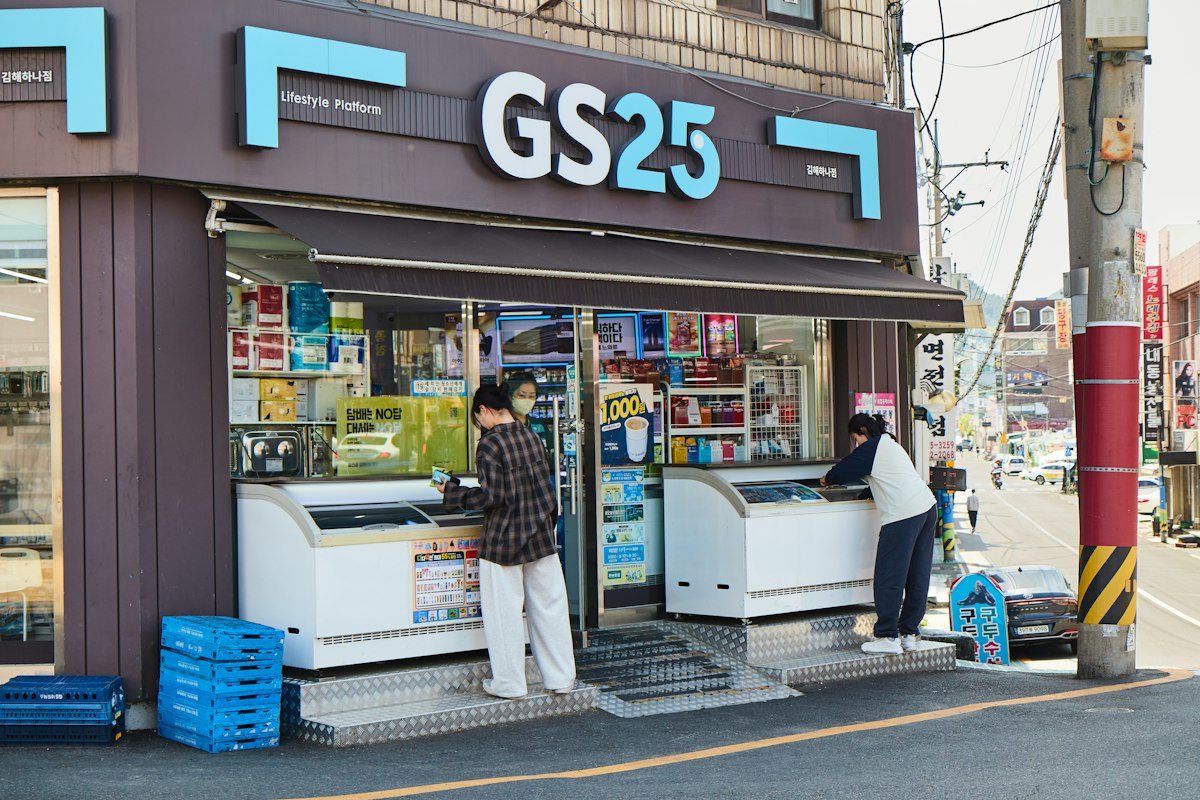
- Convenience Store Limits: Convenience stores (GS25, CU, 7-Eleven, Emart24) handle quick on-the-spot cash refunds, but chain policies and individual store cash reserves limit payouts—traditionally capped between 20,000 and 30,000 KRW. Always confirm the branch ceiling at the register.
- Large Balances (>50,000 KRW): Refunding balances over 50,000 KRW requires visiting Tmoney Town at Seoul Station or filing an extended administrative claim via official company headquarters.
- Partial Refunds: Convenience stores do not offer partial refunds. Partial cash-outs are restricted exclusively to specialized T-money service centers for amounts between 10,000 and 50,000 KRW in 10,000-won increments.
- Machine Confusion: Automated AREX machines refund single-journey transit deposits only; they cannot process or refund reusable physical T-money balances.
Understanding T-Money Refund Rules: Fees, Eligibility, and Deductions

Refunding a T-money card requires distinguishing between the stored monetary balance and the card medium. When you purchased your transit card at an airport counter or convenience store, you paid an upfront fee (usually starting around 3,000 to 5,000 won for standard designs, or higher for licensed character editions). That payment purchased the physical RFID chip and plastic card. Official transit guidelines clear up a common tourist misunderstanding immediately: the card purchase cost is completely non-refundable. Once purchased, the physical card belongs to you permanently.
The stored value you loaded onto the card at subway kiosks or convenience counters is treated separately. According to T-money’s foreign passenger guidelines, this remaining stored balance can be cashed out in Korean won (KRW), subject to an administrative 500-won processing fee. For instance, if your remaining card balance is 8,200 KRW, the cashier will deduct 500 KRW and hand you 7,700 KRW in cash. If your card holds 500 KRW or less, a refund cannot be executed because the fee equals or exceeds the remaining funds.
Another crucial rule involves card modification. Performing a standard refund resets the stored balance on the card’s internal chip to zero, but it does not deactivate the card’s electronic functionality. The physical card remains fully operational. If you decide to visit South Korea again in the future, you can simply tap the card at any recharge station, deposit fresh Korean won, and ride public transit immediately without purchasing a new card.
Full vs. Partial Refunds: What Most Tourists Get Wrong
Many travelers hope to retain enough balance on their T-money card to take the airport railroad or bus while cashing out the excess. Unfortunately, the standard retail refund in Korea is an all-or-nothing transaction. When you request a refund at a convenience store or standard subway counter, the staff can only perform a total balance liquidation. The machine clears the entire remaining amount, deducts the 500-won fee, and returns the net cash.
T-money does operate a technical partial refund mechanism, but it is strictly regulated and virtually impossible to access through casual retail counters. According to official T-money service guidelines, partial refunds have four mandatory requirements:
- They can only be requested at Tmoney Town (located at Seoul Station) or designated official T-money service centers located inside select subway stations.
- They apply strictly to standard physical “plate” cards (not mobile apps or specialty accessory tags).
- The card balance must fall between 10,000 KRW and 50,000 KRW.
- Refunds can only be extracted in strict 10,000-won increments, with the standard 500-won fee deducted from the cash returned.
Because of these rigid limitations, tourists trying to budget their final trip to Incheon or Gimpo International Airport should avoid seeking partial refunds. Instead, the most practical approach is spending down the card balance during your final 24 hours in Korea or leaving just enough balance to clear your final transit fare.
Where Can You Refund a T-Money Card? Locations and Limits
Where you can process your T-money refund depends almost entirely on how much money is stored on the card. Different retail and transit counters operate under different legal thresholds and physical cash drawer constraints.
1. Participating Convenience Stores (GS25, CU, 7-Eleven, Emart24)
Convenience stores bearing the T-money logo are the primary refund locations for average travelers. Korea Tourism Organization historical guidance lists a general ceiling of 20,000 KRW or less for immediate convenience-store cash refunds. In modern operations, select major retail chains allow on-the-spot cash refunds up to 30,000 KRW. However, chain-wide limits are not completely uniform across all franchises. Furthermore, individual convenience store branches—particularly small franchise outlets or airport terminal kiosks—may decline balance cash-outs if their register does not contain enough physical paper currency. Always confirm the current limit at the individual counter before initiating the scan.
2. Subway Station Customer Information Centers
Subway station customer service desks and station offices along Seoul Subway Lines 1 through 8 generally handle cash refunds for cards containing balances up to 50,000 KRW. You must approach the manned customer window (often labeled “Station Office” or “Customer Center”) located adjacent to the turnstiles. The clerk will place the physical card onto the desktop reader terminal, verify the ledger, collect the 500-won deduction, and dispense cash. Note that general automated ticket machines inside subway concourses cannot dispense balance refunds.
3. Tmoney Town (Seoul Station)
Tmoney Town, located on the first floor of Seoul City Tower right outside Seoul Station (Line 1, Line 4, AREX), functions as the company’s official flagship customer service center. It is the premier location for resolving edge cases, high-balance cancellations, and eligible partial refunds. While Tmoney Town can process standard on-the-spot cash refunds up to 50,000 KRW without friction, it is also the physical facility required to file formal refund claims for balances exceeding 50,000 KRW.
4. What Happens to Balances Over 50,000 KRW?
Korea Tourism Organization guidelines strongly warn international tourists against storing more than 50,000 KRW on a card because refunding higher amounts is complicated and time-consuming. Balances above 50,000 KRW cannot be cashed out over the counter at convenience stores or regular station booths. Instead, they require submitting an official inquiry at Tmoney Town or the T-money headquarters. Because processing balances above 50,000 KRW involves electronic verification and funds transferred directly into a domestic Korean bank account, short-term foreign visitors without a local bank account will find the process nearly impossible to complete before an outbound international flight.
T-Money Refund Locations and Balance Limits Compared
To choose the right refund desk before you depart, consult this direct comparison of authorized refund channels across South Korea:
| Location / Channel | Typical Cash Limit | Fee (KRW) | Partial Refund? | Key Considerations |
|---|---|---|---|---|
| Convenience Stores (GS25, CU, 7-Eleven, Emart24) |
Up to 20,000 – 30,000 KRW (Varies by chain & branch) |
500 KRW | No | Fastest option across Korea. Individual registers may refuse payout if branch cash reserves are low. |
| Subway Customer Centers (Seoul Lines 1–8 Station Offices) |
Up to 50,000 KRW | 500 KRW | Only at select T-money desks | Must visit manned station office next to turnstiles; ticket vending kiosks cannot issue refunds. |
| Tmoney Town (Seoul Station City Tower 1F) |
Up to 50,000 KRW cash; >50,000 KRW via claim |
500 KRW | Yes (10k–50k KRW in 10k units) | Official service headquarters. Best destination for complex cases, inquiries, and high-value resolutions. |
| Incheon Airport Convenience Stores (Terminal 1 & 2 landside branches) |
Up to store balance ceiling (Subject to cash limits) |
500 KRW | No | Convenient but risky. Long passenger queues or drained cash drawers can prevent counter staff from completing refunds. |
Step-by-Step Guide: How to Get Your Balance Refunded in Korean Won
Follow this systematic walkthrough to safely liquidate your T-money card balance before heading through airport security.
Step 1: Check Your Exact Balance
Before entering a convenience store or station office, check the remaining funds on your card. You can tap your card on any subway station card-recharge machine to read the balance screen without committing to a top-up. Alternatively, scan your card at a convenience store checkout scanner or tap it on an NFC-compatible balance checker smartphone app. Knowing your balance prevents attempting an over-the-limit cash-out at a retail register.
Step 2: Spend Down Excess Funds if Above Store Ceilings
If your card balance exceeds 20,000 to 30,000 KRW, do not rely on finding a convenience store willing to cash out your entire balance. You can easily spend the surplus down by using your T-money card like a prepaid debit card. Tap it at any participating GS25, CU, or 7-Eleven to purchase souvenirs, snacks, drinks, cosmetics, or train snacks. Once your balance is below 20,000 KRW, a cash refund becomes simple at almost any franchise.
Step 3: Present Your Physical Card at an Authorized Counter
Take your physical T-money card to the cash register of a participating convenience store or a subway station customer office. Note that cashiers must physically touch and tap the card on their terminal scanner; digital photos, card numbers, or mobile wallet barcodes cannot be processed for physical card refunds. Say to the cashier: “T-money hwan-bul hae-ju-se-yo” (티머니 환불해 주세요 — Please refund my T-money).
Step 4: Confirm the Deduction and Collect Cash
The cashier will place your card on the POS terminal reader. The machine will calculate your balance, automatically subtract the 500-won service fee, and display the net payout amount on the register screen. The cashier will hand you your cash in physical Korean won along with a paper transaction receipt showing the zeroed balance.
Step 5: Retain Your Plastic Card
Ensure the cashier hands your physical plastic card back to you. The card does not expire, and because you already paid for the chip and plastic card stock, it remains your property. Keep it in your travel wallet for your next visit to Seoul, Busan, or Jeju, or pass it along to a friend or family member traveling to Korea in the future.
Crucial Airport Mistakes: The AREX Machine Trap and Departure Pitfalls
The most common mistake international tourists make on departure day occurs at Incheon International Airport’s Airport Railroad (AREX) stations. Inside the terminal, passengers frequently encounter automated kiosks marked “Deposit Refund Device” (보증금 환급기). Expecting to cash out their T-money card, travelers insert their reusable transit cards into these machines, only to receive an error message.
These automated refund kiosks are calibrated strictly for Single Journey Tickets—the orange or green plastic single-ride metro cards that require an initial 500-won refundable deposit when purchased at station vending machines. They cannot process, read, or dispense refunds for reusable physical T-money cards, Korea Tour Cards, or Citypass+ cards. Inserting a reusable card into these slots accomplishes nothing.
Another severe mistake is waiting until you are inside Incheon or Gimpo Airport to process your refund. Convenience store branches in airport train halls and arrival corridors frequently experience heavy foot traffic. During peak departure banks, store cash registers may run completely out of small physical paper notes and coinage, forcing clerks to temporarily suspend transit refund services. If you leave your refund until your final hour before going through security, you risk getting stuck with an unrefundable balance if the airport register cannot service your card.
Smart Reload Strategy: How to Prevent Trapped Balances
The best way to handle a T-money refund is to eliminate the need for one altogether. By understanding the core reloading mechanics established by T-money and the Korea Tourism Organization, travelers can easily plan their card balances so they hit near-zero by their final ride:
- Reload in Modest Increments: Physical T-money cards can be topped up in increments as low as 1,000 KRW at any subway ticketing kiosk or retail counter. The per-transaction reload range spans from 1,000 to 90,000 KRW (with an absolute ceiling of 500,000 KRW stored total). Avoid dumping 50,000 won onto your card upon arrival. Instead, top up in reasonable 10,000 to 15,000-won blocks based on your itinerary.
- Calculate Fares Accurately: Basic standard adult subway and local bus fares in the Seoul metropolitan area start around 1,400 to 1,500 KRW for standard distance brackets. An average tourist using the metro three to four times daily spends under 6,000 to 8,000 KRW per day on local transit.
- Remember Cash-Only Reload Rules: As confirmed by Korea Tourism Organization foreign visitor guidance, foreign-issued international credit and debit cards are generally not accepted for topping up physical T-money cards at standard subway kiosks or convenience counters. All top-ups must be funded with Korean won cash. Plan your physical cash withdrawals accordingly so you do not leave excess paper won stranded on plastic chips.
- Know Your Card Product: Different transit products have different refund policies. Mobile T-money apps, local bank-issued transit debit cards, and unlimited short-term options (such as Seoul’s Climate Card) operate under entirely different cancellation frameworks. The simple 500-won cash deduction detailed here applies strictly to standard physical stored-value T-money cards.
Pro Tips for Tourists
- Clear Balances in Your Hotel District: Execute your T-money card refund at a convenience store located near your hotel the evening before departure, or immediately before boarding your airport train or bus. City neighborhood stores are significantly less congested and far more likely to carry adequate register cash than busy airport branches.
- Spend the Last 2,000 Won on Snacks: If your card balance is under 3,000 KRW, going through the refund process nets you less than 2,500 KRW after paying the 500-won service fee. Use that remaining money at an airport convenience store to buy a bottled tea, snack, or pastry. Convenience store POS systems allow you to tap your T-money card to exhaust the remaining balance and pay any remaining difference with cash or an international credit card.
- Keep the Card for Friends and Family: T-money cards have no expiration date. If your balance is modest, consider retaining the card intact. You can pass the card along to relatives or coworkers planning a trip to Korea, saving them the hassle and cost of buying a transit card at the airport upon arrival.
- Verify Non-Standard Cards Directly: If your physical card is physically cracked, deeply scratched, waterlogged, or unresponsive at terminal readers, retail convenience stores cannot issue a refund. Damaged cards must be brought to an official subway customer service window or mailed to T-money headquarters for technical chip assessment.
Frequently Asked Questions
Can I get a refund for the 3,000 to 5,000 won I paid to buy the physical T-money card?
No. The upfront purchase cost of the physical plastic card is completely non-refundable. That payment covers the card manufacturing, chip licensing, and retail packaging. When you request a refund, you receive only the loaded cash balance stored on the chip, minus the 500-won processing fee. The plastic card itself is returned to you and remains valid indefinitely for future trips.
Can I refund my T-money balance at the automated AREX ticket machines at Incheon Airport?
No. The automated machines labeled “Deposit Refund Device” located inside AREX rail stations are exclusively engineered to return the 500-won deposit on single-journey subway tickets. They do not accept, read, or process refunds for reusable physical T-money cards. To refund a T-money card at the airport, you must visit a manned convenience store branch before security and confirm whether their register can process a cash refund.
Can I get a partial refund at a convenience store so I keep enough money to ride to the airport?
No. Participating convenience stores (such as GS25, CU, and 7-Eleven) only process complete, all-or-nothing balance liquidations. Partial refunds are technically restricted by T-money to specialized corporate desks like Tmoney Town at Seoul Station, apply only to plate cards with balances between 10,000 and 50,000 KRW, and must be pulled in 10,000-won units. For standard convenience store visits, expect your entire remaining balance to be cashed out in one transaction.