
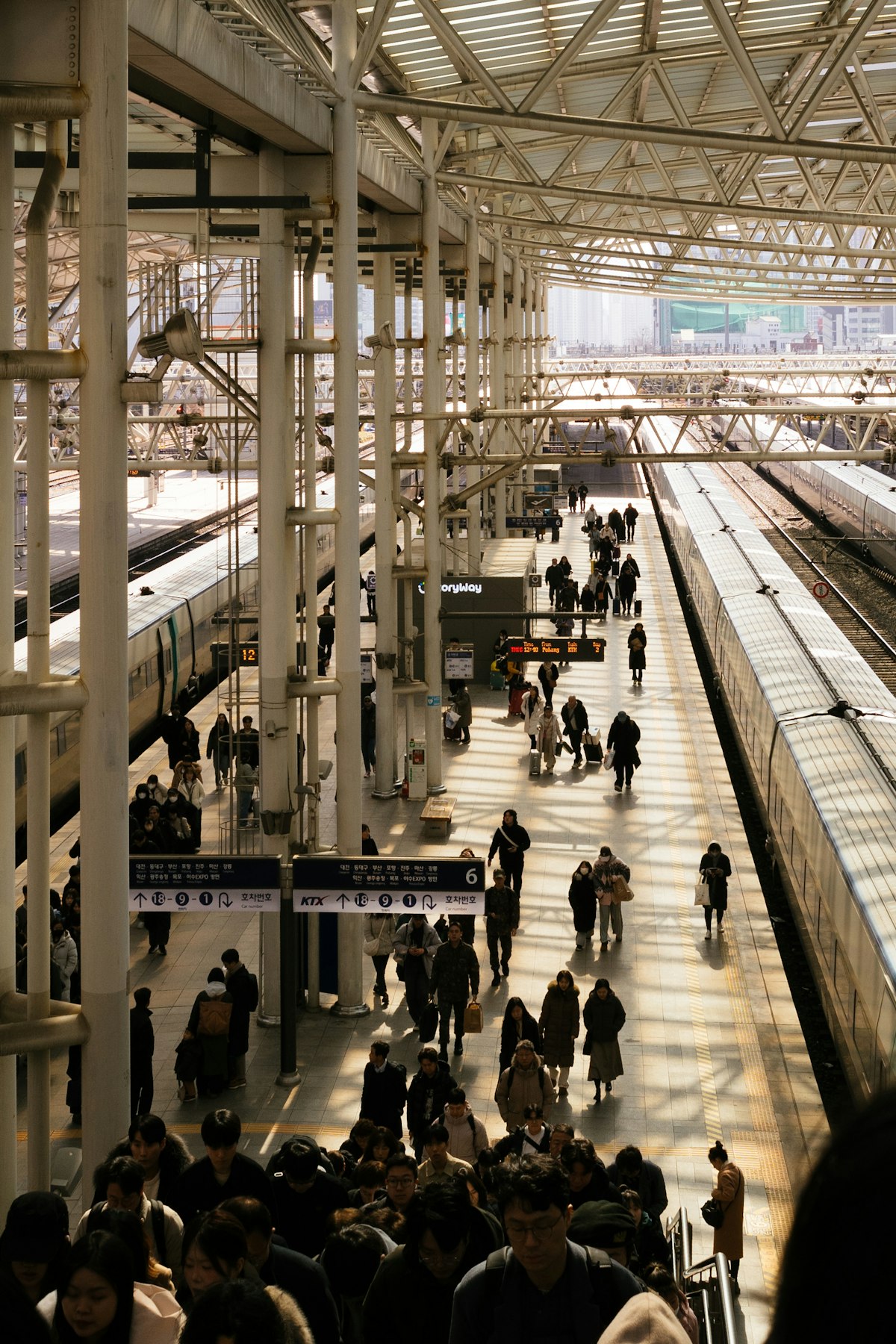

Navigating South Korea’s long-distance bus network can seem intimidating to international travelers accustomed to centralized national railway booking. While rail transit centers like Seoul Station handle the high-speed KTX, Korea’s regional coach network reaches hundreds of mountain towns, coastal destinations, and smaller cultural hubs that train tracks bypass entirely. However, the booking system is divided between distinct services: Express Buses and Intercity Buses, each operating on separate digital platforms.
To secure bus seats smoothly, foreign visitors need to identify which network serves their specific destination, verify whether their target route permits online advance ticketing, and understand offline fallback options at the terminal. Online payments with overseas credit cards can encounter verification blocks, making an organized approach essential for stress-free travel across the country.
- Express vs. Intercity: Long-distance direct highway routes run via KOBUS; multi-stop, regional routes run through BusTago or T-money Intercity (txbus).
- Website Interfaces: Official portals (kobus.co.kr, bustago.or.kr, and txbus.t-money.co.kr) offer English, Japanese, and Chinese interfaces.
- Payment Gateways: Foreign credit card acceptance online remains variable and can fail; physical terminal kiosks and staffed ticket windows accept foreign cards and cash as reliable backups.
- Ticket Collection: BusTago and terminal systems often require the physical payment card used online, or the exact date of birth and phone number entered during booking.
- Terminal Accuracy: Always select the exact terminal name rather than just the destination city, as major cities house multiple distinct bus facilities.
Understanding the Dual System: Express Buses vs. Intercity Buses

South Korea organizes road transit into two primary operational branches: Express Buses (Gosok) and Intercity Buses (Siwae). They frequently depart from separate wings of the same facility or entirely separate bus terminals located miles apart in the same city. Understanding this operational distinction prevents arriving at the wrong departure bay.
Express Buses (KOBUS): These vehicles travel primarily along national expressways between major municipal hubs with minimal or no intermediate stops. They generally utilize dedicated bus lanes, ensuring rapid transit even during peak traffic hours. Classes are divided into Standard (Economy), Excellence (Superior, featuring three-across recliner seats), and Premium (luxury private booths with personal viewing monitors and footrests).
Intercity Buses (BusTago and T-money Intercity): These routes connect provincial towns, rural hubs, and regional transfer stations. Many intercity routes include several scheduled intermediate stops along provincial highways, making them vital for reaching destinations that lack dedicated train stations, such as Seoraksan National Park or Sokcho.
| Feature | Express Bus (Gosok) | Intercity Bus (Siwae) |
|---|---|---|
| Primary Booking Site | KOBUS (kobus.co.kr) | BusTago (bustago.or.kr) & T-money (txbus.t-money.co.kr) |
| Route Type | Point-to-point via expressway, non-stop or minimal stops | Direct or multi-stop via national/provincial routes |
| Seating Classes | Standard (45 seats), Excellence (28 seats), Premium (21 seats) | Standard or Superior (varies by bus operator) |
| Primary Seoul Hubs | Seoul Express Bus Terminal (Gyeongbu/Yeongdong), Central City (Honam) | Dong Seoul Bus Terminal, Seoul Nambu Terminal |
| Seat Selection | Interactive layout selection during online booking | Available on eligible routes; some routes unassigned |
Official Booking Portals: What Works for International Cards
The Korea Tourism Organization identifies three official platforms for bus ticketing: KOBUS for express networks, and both BusTago and txbus.t-money.co.kr for intercity networks. While all three platforms provide English portals, foreign credit card acceptance can be unpredictable.
On BusTago (accessible at bustago.or.kr/newweb/en/index.do), certain check cards and corporate cards are restricted. Furthermore, non-member bookings demand precise authentication details. Even when an international card processes successfully, technical glitches can obscure confirmation. BusTago explicitly advises travelers to open the “View, modify or cancel tickets” menu immediately following payment to ensure the transaction settled.
Regarding KOBUS, independent traveler reports indicate policy shifts limiting non-member direct card inputs and directing users toward domestic payment authentication tools. The verified operational baseline is that foreign credit card success rates across both portals remain variable. If an online attempt fails, terminal kiosks and staffed ticket counters serve as the designated offline recourse.
Step-by-Step Guide to Reserving and Collecting Tickets
Step 1: Identify Your Route and Required Terminal
Do not search solely for the target city name. In Seoul, for instance, departures for Jeolla-do leave from Central City (Honam Line), while departures for Busan and Daegu leave from the Seoul Express Bus Terminal (Gyeongbu Line) next door. Routes headed northeast often depart from Dong Seoul Bus Terminal near Gangbyeon Station. Confirm the specific station code and name prior to scheduling.
Step 2: Check Route Status on Official Portals
When querying schedules on BusTago, examine the operational note for each departure time. BusTago explicitly marks specific departures as “Internet reservation is possible” or “Internet reservation is not possible.” A listed departure does not guarantee online seat inventory; unreserved routes require in-person ticket acquisition on departure day.
Step 3: Complete Non-Member Guest Checkout
Select your seats and proceed as a non-member. You will be prompted to input identification data, typically your date of birth (YYYYMMDD) and a mobile phone number. Memorize or screenshot these numbers. The system binds your reservation to this exact identification string.
Step 4: Verify the Completed Reservation
Once payment finishes, do not simply close the browser window. Navigate to the reservation look-up tab (“View, modify or cancel tickets”). Input your registered phone number, card details, or date of birth. Confirm that your reservation status shows as paid and record the reservation reference number.
Step 5: Collect or Print Physical Boarding Passes
While select digital routes permit boarding via mobile QR code, standard international bookings regularly require physical paper issuance. Upon arrival at the bus terminal, insert the payment card into the automated ticketing kiosk or present your confirmation to the staffed window. If the payment card is physically unavailable, BusTago specifies that staffed ticket booths can look up and print the pass using the registered date of birth and telephone number.
Terminal Ticketing and Kiosk Walkthrough
If online reservation fails due to 3D-Secure authentication issues or foreign card blocks, booking directly at the terminal ticket counter is practical and standard. Korean bus hubs feature automated ticket vending machines equipped with multiple language modes (English, Japanese, and Chinese), alongside staffed ticket windows.
According to Korea Tourism Organization guidance, payment at terminal ticket windows and kiosks can be made with cash (Korean Won), major international credit cards, and local mobile payment options. For weekend getaways, holiday periods, or express trips to popular destinations like Sokcho or Jeonju, aim to buy your tickets at the terminal a day ahead, or arrive 45 to 60 minutes prior to departure to secure an available seat.
Cancellation, Modifications, and Boarding Rules
Reservation modifications follow precise operator parameters:
- Seat Adjustments: Changing your seat number within the exact same departure run typically does not require a financial reprocessing step.
- Schedule and Class Adjustments: Modifying the departure time, route, or bus class automatically voids the original booking and executes a fresh reservation, preventing accidental double billing.
- Refund Schedules: When cancelling an online booking, financial reversal times depend on card processing networks. If the cancellation occurs after transaction settlement data has reached the card brand, refunds can require up to 7 business days to reflect on your statement.
- Cancellation Fees: Penalties scale based on how close to departure the ticket is released. Bus classes and operating terminals apply distinct fee schedules; travelers must check the official cancellation guidelines on the BusTago guide page (
bustago.or.kr/newweb/en/guide/ticket.do) for exact percentage cutoffs. - Departure Window: Boarding platforms open approximately 5 to 10 minutes prior to departure. Bus operators adhere to strict schedules; tickets cannot be issued, modified, or refunded once the bus departs the terminal bay.
Pro Tips for Tourists
- Save Identity Inputs: Use a simple, memorable phone number sequence (such as your international number without symbols) and record the exact date format used during guest checkout. You will need this string to retrieve your ticket at the kiosk.
- Keep Physical Cards Handy: Always carry the exact physical credit card used to execute the online reservation. Automated kiosks require swiping or inserting the identical card to release the physical tickets.
- Verify Terminal Names: Double-check the departure terminal on your receipt against Korean map services like Naver Map or KakaoMap. “Seoul Express Bus Terminal” is distinct from “Seoul Nambu Terminal” and “Dong Seoul Terminal.”
- Opt for Excellence or Premium: For trips over two hours, Excellence (Udeung) or Premium coaches offer significantly greater legroom, footrests, and reclining angles for a modest fare difference.
- Third-Party Vendors: Secondary apps and reseller platforms (such as Klook or Hanpass) may display coach inventory, but they are third-party entities. If utilizing an intermediary, cross-check and retain the operator’s primary booking record.
Frequently Asked Questions
Can I board the bus simply by showing a confirmation email on my smartphone?
Not consistently. While certain domestic app users can use mobile QR boarding passes, foreign web reservations frequently require a physical paper ticket issued at the terminal. You must visit the automated ticketing kiosk or the staffed ticketing counter to print your physical boarding pass prior to heading to the platform.
What should I do if my foreign credit card fails on KOBUS or BusTago?
If payment processing fails online, go directly to the departure bus terminal. Staffed ticket counters and modern self-service kiosks at Korean bus terminals reliably process physical international Visa and Mastercard credit cards, as well as cash in Korean Won.
What happens if I lose the credit card I used to reserve tickets on BusTago?
According to BusTago’s ticketing guidelines, if you do not have the physical card used for reservation, you should approach a staffed ticketing counter instead of a self-service machine. The counter agent can locate and print your paper ticket using your registered date of birth and the contact telephone number entered during checkout.