
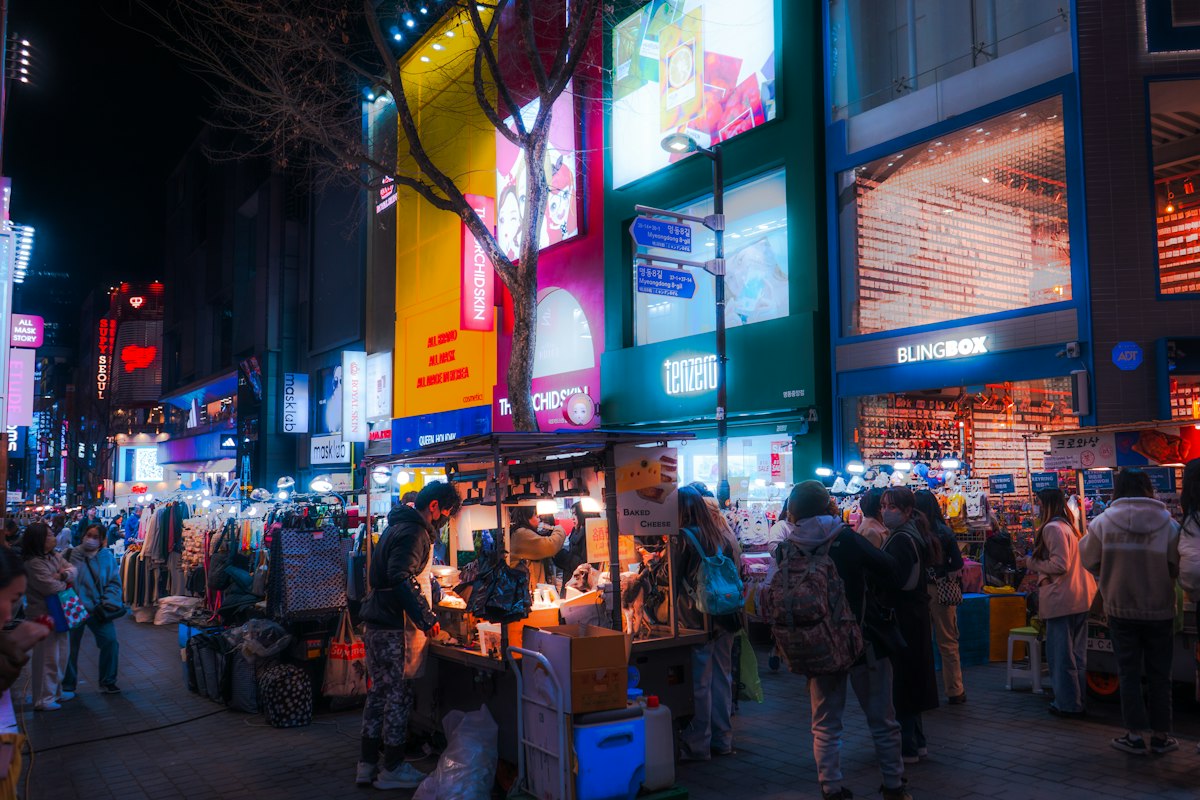

When I first landed in Seoul five years ago, I was completely overwhelmed. I vividly remember my first attempt to navigate the subway system at Anguk Station. I confidently tapped my newly purchased T-money card on the turnstile gate, only to hear an aggressive error beep. Confused, I pushed forward anyway, got wedged tightly between the metal barrier arms, and had to be rescued by a laughing elderly Korean grandmother who gently tapped her own card to free me. Red-faced and slightly bruised, I stumbled out of Exit 6 and right into the heart of Insadong. It was my very first introduction to Seoul’s traditional cultural hub.
Swept up in the romance of that first night, surrounded by the warm glow of street food carts and neon signs, I bought a “hand-painted” bamboo fan for 18,000 KRW (about $13.50 USD). I felt incredibly cultured—until two days later, when I walked into a multi-story Daiso in Hongdae and found the exact same fan, complete with the same flimsy spine and “Made in China” sticker, for exactly 2,000 KRW ($1.50 USD). It was my first real lesson in the tourist markups of Seoul. Since then, I have spent five years exploring every nook and cranny of Insadong, learning where the real artisans hide and which shops are just selling mass-produced plastic junk. This guide is my personal roadmap to help you navigate the main drag without getting ripped off.
- Best Authentic Buys: Handmade stone name stamps (Dojang), premium loose-leaf Korean tea, and authentic artisan Hanji paper goods.
- What to Skip: Cheap plastic-packed chopstick sets, mass-produced K-pop socks, and polyester hanbok keychains (which cost triple what they do elsewhere).
- Local Insider Secret: Always bypass the massive street-level gift shops. The real treasures, like traditional teahouses and hand-carved stamp shops, are tucked deep inside the narrow stone alleys that branch off the main street.
The Insadong Reality Check: Souvenirs vs. Tourist Traps

Insadong is beautiful, but you have to know how to look at it. If you stick solely to the main thoroughfare, Insadong-gil, you will mostly see crowded modern storefronts blasting K-pop, interspersed with street food carts selling sweet hotteok and dragon’s beard candy. It is a fantastic sensory experience, especially at night when the lanterns light up. However, the souvenir shops lining this main strip are heavily commercialized. Many of the items on display are imported in bulk and marked up by 300% or more for unsuspecting tourists.
To find the soul of Insadong, you must look for the side alleys. My absolute favorite discovery happened during my second year here, when a local ceramicist dragged me away from the crowds. We turned down a tiny, winding path where traditional Korean hanok buildings framed a quiet, grassy courtyard. Sitting on the floor of a 100-year-old wooden teahouse, sipping thick, bittersweet jujube tea (Daechu-cha) that tasted like liquid autumn, I realized this neighborhood still holds its historic charm. You just have to step off the beaten path to find it. The same rule applies to shopping: the best souvenirs are found in the quiet corners, not on the main display racks.
What is Worth Buying (The Authentic Gems)
If you want to take home a piece of genuine Korean culture, these are the items that are worth every single Won. They are unique, deeply rooted in Korean history, and crafted with actual skill.
1. Custom Handmade Stone Name Stamps (Dojang)
Historically used to sign official documents, a Dojang (도장) is a personalized stone stamp. In Insadong, you can find master carvers who will engrave your name in Korean Hangul on the bottom of a beautiful piece of local stone. You can choose the stone color, the design on the side, and even the font style. A custom stamp usually costs between 30,000 KRW and 60,000 KRW ($22 – $45 USD) and takes about 20 to 30 minutes to make. This is a highly personal, lifetime souvenir that you simply cannot buy anywhere else in the world.
2. Premium Loose-Leaf Korean Tea
Korea has a rich, highly underrated tea culture. While Boseong and Jeju Island are famous for green tea, Insadong is the best place to purchase specialty herbal and wild teas. Look for shops selling loose-leaf Sejak (spring green tea), Omija (five-flavor berry tea), or Chrysanthemum tea. Avoid the cheap tea bags in tourist packaging. Instead, look for small, independent tea merchants where the owner will sit down and let you sample the tea before you purchase. A tin of high-quality, artisan-harvested tea generally ranges from 15,000 KRW to 40,000 KRW ($11 – $30 USD).
3. Traditional Hanji Paper Goods
Hanji is traditional Korean paper made from the inner bark of mulberry trees. It is incredibly durable, water-resistant, and has a beautiful, textured feel. In Insadong, specialized paper shops sell everything from Hanji notebooks and calligraphy paper to gorgeous, warm-toned Hanji table lamps. A handmade Hanji notebook will cost around 8,000 to 15,000 KRW ($6 – $11 USD) and makes a lightweight, gorgeous gift for writers or artists back home.
The Tourist Markups to Avoid (What to Skip)
Many shops in Insadong rely on the fact that tourists do not know the standard domestic prices for basic goods. Here are the items I highly recommend skipping during your stroll through the neighborhood.
1. Cheap Metal Spoon and Chopstick Sets
You will see hundreds of flat metal chopstick and spoon sets wrapped in plastic with traditional Korean patterns on the handles. Shops in Insadong often sell these for 10,000 to 15,000 KRW per set. In reality, these are mass-produced, lightweight items. If you want basic, durable Korean metal chopsticks, head to a local supermarket (like E-Mart or Lotte Mart) or Namdaemun Market, where you can buy the exact same sets for 2,000 to 3,000 KRW ($1.50 – $2.20 USD).
2. Mass-Produced K-Pop Merchandise and Socks
While character socks and K-pop photo cards are fun, Insadong is the absolute worst place to buy them. Socks that cost 1,000 KRW in Myeongdong or the underground shopping centers of Gangnam Station are often priced at 2,500 to 3,000 KRW here. Keep your character and K-pop shopping limited to dedicated pop culture districts where competition keeps prices low.
Insadong Souvenir Comparison Table
To help you budget and plan your shopping spree, here is a quick breakdown of what is actually worth your money versus what you should leave on the shelf:
| Souvenir Item | Average Price (KRW) | Verdict | Expat Recommendation |
|---|---|---|---|
| Custom Stone Stamp (Dojang) | 30,000 – 60,000 | WORTH IT | Highly personalized; a true lifetime keepsake. |
| Artisan Hanji Paper Notebook | 8,000 – 15,000 | WORTH IT | Incredibly durable, beautiful texture, and lightweight to pack. |
| Polyester Hanbok Keychains | 5,000 – 8,000 | SKIP | Cheaply made imports. Buy at Daiso or Namdaemun for 1,500 KRW. |
| Loose-Leaf Tea (from teahouses) | 15,000 – 40,000 | WORTH IT | Stunning quality. Avoid supermarket brands; buy from tea masters. |
| Mass-Produced Fans & Chopsticks | 10,000 – 18,000 | SKIP | Massive tourist markup. Exactly the same as cheap wholesale stock. |
Pro Tips for Tourists
- Check the “Made in” Label: It sounds incredibly simple, but always look at the bottom or tag of an item. If it does not explicitly say “Made in Korea” (한국산), you are likely paying a premium for an imported item you could buy online for pennies.
- Bring Cash for Small Discounts: While South Korea is practically a cashless society, small independent souvenir vendors in Insadong will often give you a 5% to 10% discount if you pay in physical KRW cash rather than using a foreign credit card.
- Walk Past Ssamzigil for True Antiques: Ssamzigil is a beautiful, spiral-designed shopping complex in Insadong filled with trendy, modern Korean crafts. It is absolutely worth walking through, but if you want historic antiques, skip Ssamzigil and explore the dusty antique shops located at the northern end of Insadong-gil.
- Do Not Buy Street Food to Pack Home: Things like Kkul-tarae (dragon’s beard candy) are fascinating to watch being made, but they do not travel well. The delicate sugar strands easily melt or harden into a solid brick in airplane cargo holds. Eat them fresh on the street instead!
Frequently Asked Questions
Is Insadong more expensive than other shopping districts in Seoul?
Yes, for generic items. Mass-produced goods like socks, plastic accessories, and basic metal chopsticks are marked up significantly because of the high tourist foot traffic. However, for specialized artisan goods like custom stone stamps, local pottery, and premium traditional teas, Insadong offers fair, standard pricing for genuine Korean craftsmanship.
Can you bargain with shop owners in Insadong?
Bargaining is not a major part of modern Korean shopping culture. However, if you are buying multiple high-value items (like several customized stamps or high-end ceramics) from an independent shop, you can politely ask for a small discount (“Deo 할인해 주세요?” – Can you discount more?) or ask if they can throw in a small freebie, especially if you pay in cash.
Where is the best place to find actual, certified Korean pottery?
Avoid the general gift shops on the main road. Instead, seek out specialized ceramic galleries tucked into the side alleys, or visit the National Souvenir Center in Insadong. Look for pieces accompanied by a small brochure or certificate detailing the artist’s name and kiln location, which ensures you are purchasing genuine Korean ceramic art.