

When I first moved to Seoul five years ago, my very first cultural blunder happened on a sweltering July afternoon at Bongeunsa Temple. I had just tapped out of the Subway Line 9 gate at Samseong Station, stepped across the busy street from the mega COEX Mall, and wandered onto the quiet temple grounds wearing a sleeveless tank top, denim shorts, and flip-flops. Expecting a relaxed tourist landmark, I strolled right through the central doorway of the main prayer hall and stepped squarely on the raised wooden door frame. Within seconds, a kind elderly volunteer gently tapped my shoulder, placed her hands together in a bow, and pointed to my feet with a compassionate but firm smile. I had broken three major rules in under thirty seconds.
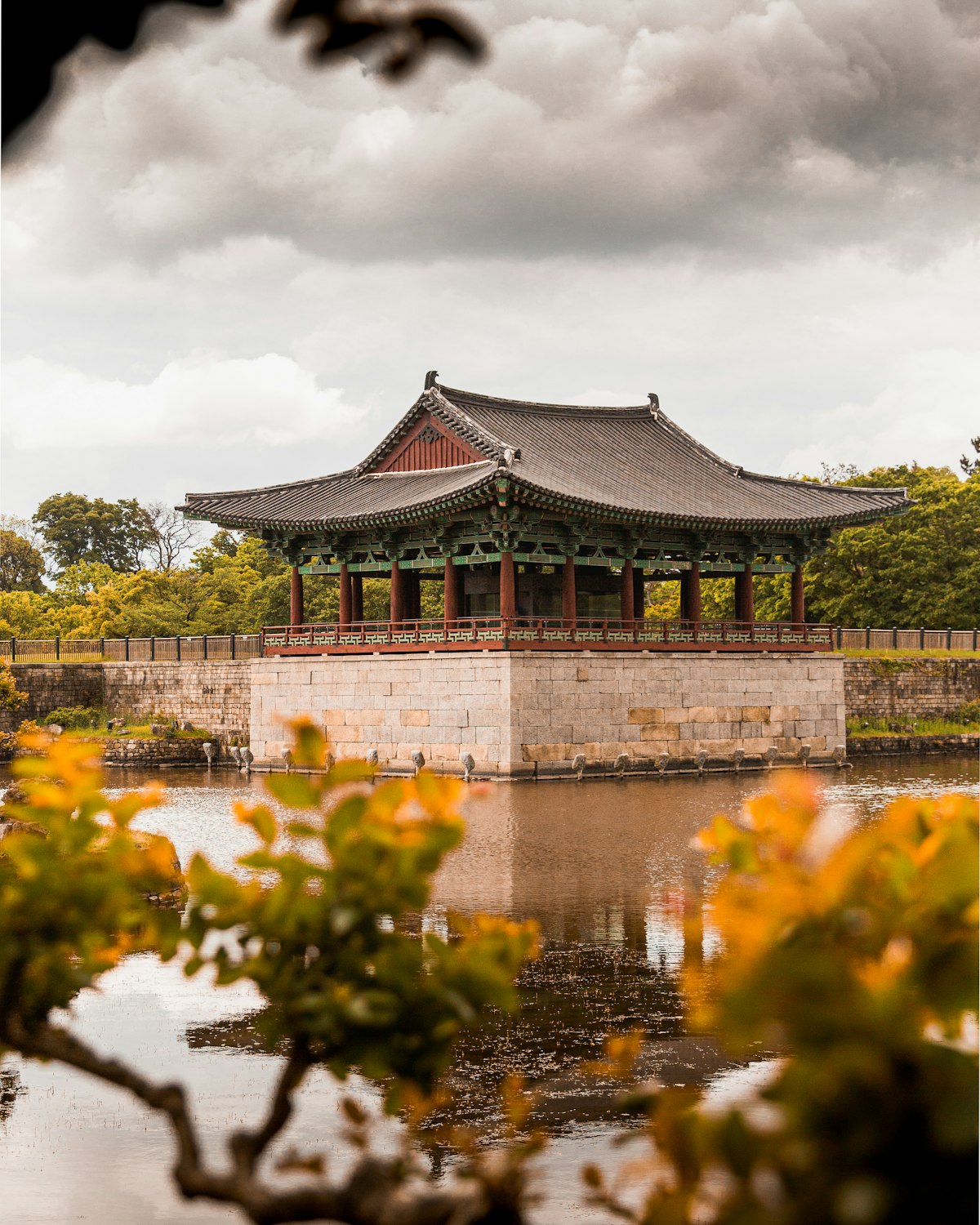
That moment was an eye-opener for me. Korean Buddhist temples are not open-air museums or casual photo backdrops; they are active, sacred places of worship where monks reside and locals pray daily. From historic urban sanctuaries like Jogyesa in downtown Seoul to remote mountain compounds where traditional Korean hanok buildings framing a grass courtyard offer absolute silence, every site follows centuries-old customs. Whether you are admiring the architectural splendor of an ancient pagoda or traveling down to Gyeongju to watch the Anapji pond pavilion in Gyeongju reflected in still water near old Buddhist ruins, keeping basic temple decorum will transform your trip from an awkward tourist walk into a rich cultural connection.
- Dress Modestly: Cover your shoulders, chest, and knees. Avoid tank tops, mini skirts, and ripped shorts.
- Wear Socks: Bare feet are strictly forbidden inside prayer halls. Carry an extra pair of clean socks in your bag.
- Mind the Threshold: Never step directly on the raised wooden door frame (munjeok); always step completely over it.
- Use Side Doors: Enter wooden main halls (Daeungjeon) through the left or right side doors. The middle door is reserved for monks.
- Keep Quiet: Keep voices low, turn off phone ringers, and refrain from taking photos of praying worshippers or indoor altars.
What to Wear: Dress Code Essentials for Men and Women

The most frequent mistake foreign travelers make in South Korea is assuming that summer heat excuses casual beach attire at religious sites. While temple staff will rarely yell at you, showing too much skin causes genuine discomfort among practicing Buddhists. As a rule of thumb, your shoulders, chest, midriff, and knees should remain covered at all times. T-shirts with modest necklines and lightweight linen trousers or long skirts are ideal for surviving Korea’s humid summer months while staying respectful.
Footwear requires special attention because you will be taking your shoes on and off repeatedly. Slip-on shoes, sneakers, or comfortable loafers are your best friends here. More importantly, never enter a temple hall with bare feet. Exposing your toes inside a sacred hall is viewed as unhygienic and disrespectful. If you are wearing sandals outdoors, keep a clean pair of cotton socks in your daypack. You can easily buy cheap, high-quality socks for around 1,000 KRW to 2,000 KRW ($0.75 to $1.50 USD) at any subway station stall or Daiso store in Seoul before heading out.
| Category | Recommended Attire | Clothing to Avoid |
|---|---|---|
| Tops | Short or long-sleeved t-shirts, shirts, linen blouses covering shoulders. | Tank tops, sleeveless shirts, low-cut tops, crop tops, sheer fabrics. |
| Bottoms | Long trousers, linen pants, maxi skirts, knee-length capris. | Short shorts, mini skirts, athletic booty shorts, ripped denim. |
| Footwear | Easy slip-on sneakers or walking shoes paired with clean socks. | Flip-flops, high heels, muddy boots, walking barefoot inside. |
| Accessories | Light scarves or cardigans for quick coverage. | Hats or sunglasses worn inside prayer halls. |
Entering the Main Hall (Daeungjeon): Rules You Cannot Break
The central hall of any temple complex is usually called the Daeungjeon (Hall of the Great Hero). This is where the primary Buddha statues sit and where major chanting takes place. Approaching this space requires attention to details that most Westerners never consider.
First, look at the doors. You will notice three entryways along the front facade. The large double door in the exact center is meant exclusively for ordained monks and official rituals. Tourists and worshippers should always use the side doors located on the far left or far right. Before stepping inside, remove your shoes at the wooden deck and place them neatly on the shoe racks provided, facing outward towards the courtyard.
As you cross the doorway, pay close attention to the raised wooden threshold, known as the munjeok. In Korean tradition, stepping on this beam brings bad luck and damages the ancient structure; symbolically, the threshold separates the mundane secular world from the holy space. Always step cleanly over the wooden threshold without touching it with your shoes or socks.
Behavior Inside: Photography, Bowing, and Silent Courtesy
Once inside the hall, walk quietly around the perimeter behind any kneeling worshippers. Never cross directly between a person praying and the main altar, as this disrupts their spiritual focus. If you wish to sit and absorb the peace, bow slightly toward the Buddha statue, cross your legs cleanly on a floor cushion (bangseok), and keep your back straight.
The rule regarding photography is simple: do not photograph the interior altars or monks without explicit permission. While taking pictures of courtyard structures, stone lanterns, and colorful lotus lanterns hanging outside is completely fine, camera shutters and flash lights inside prayer spaces are strictly taboo. Put your smartphone on silent mode before entering the complex.
When greeting a monk or nun on the grounds, do not offer a handshake or wave casually. Instead, perform a standard hapjang bow: place your palms together in front of your chest, drop your eyes respectfully, and bow your head slightly. Monks will almost always return this polite greeting with a warm smile.
Temple Food Etiquette and Transport Advice
Visiting a temple is also an opportunity to experience authentic Korean temple cuisine (Sachal Emsik). Buddhist food uses no meat, seafood, or pungent aromatics like garlic, onions, or chives. If you visit Jogyesa Temple in Seoul, cross the street to Balwoo Gongyang, a Michelin-starred temple restaurant operated by the Korean Buddhist order. A multi-course lunch menu costs around 45,000 KRW to 65,000 KRW ($33 to $48 USD) and offers an unforgettable taste of seasoned wild herbs, lotus root, and fermented soybean broths. For a budget alternative, many mountain temples serve simple vegetarian sanchae bibimbap to visitors for around 10,000 KRW ($7.50 USD).
Getting to Seoul’s urban temples like Bongeunsa or Jogyesa is simple via the Seoul Subway (1,400 KRW / $1.05 USD using T-money card). However, if you are heading up to scenic mountain temples like Jingwansa in Bukhansan National Park, I strongly recommend downloading the Kakao T app. Hailing a cab via Kakao T to the mountain base will save you an hour of confusing local bus transfers and costs roughly 15,000 KRW ($11 USD) from central Seoul districts.
Pro Tips for Tourists
- Pack a Sock Bag: Keep a clean pair of slip-on cotton socks inside your daypack so you are never caught barefoot when entering a prayer hall.
- Avoid Peak Prayer Hours for Casual Visits: Arrive early in the morning (around 8:00 AM to 9:30 AM) or mid-afternoon to avoid interfering with formal chanting services held around 10:00 AM.
- Try a Templestay Program: If you want an immersive experience, book an overnight Templestay through the official Cultural Corp of Korean Buddhism site. Rates range from 70,000 KRW to 100,000 KRW ($52 to $75 USD) and include vegetarian meals, morning chanting, and tea with a monk.
- Respect the Lotus Lanterns: During Buddha’s Birthday celebrations (May), temples are packed with paper lanterns. Do not touch or pull on the name tags hanging beneath them.
- Mind Your Voice in Courtyards: sound echoes sharply off timber structures. Keep conversation at a gentle library volume throughout the grounds.
Frequently Asked Questions
Can non-Buddhists enter main halls and participate in temple activities?
Yes, absolutely. Korean temples welcome people of all faiths and backgrounds. You are free to enter the main halls, sit quietly, and observe or join in the bows as long as you adhere to the dress code and rules of silence.
Do I need to pay an entrance fee to visit temples in Korea?
Most major temples in South Korea, including famous national park temples like Bulguksa, Haeinsa, and Jogyesa, eliminated their admission fees in 2023. Entrance is now free, though donations for candles or rooftop tiles (around 10,000 KRW / $7.50 USD) are welcome.
What should I do if I accidentally break a rule while visiting?
Don’t panic. Korean monks and temple staff understand that foreign tourists may not know every custom. Simply place your hands together in a polite bow (hapjang), nod respectfully, offer a soft apology, and correct your mistake immediately.