
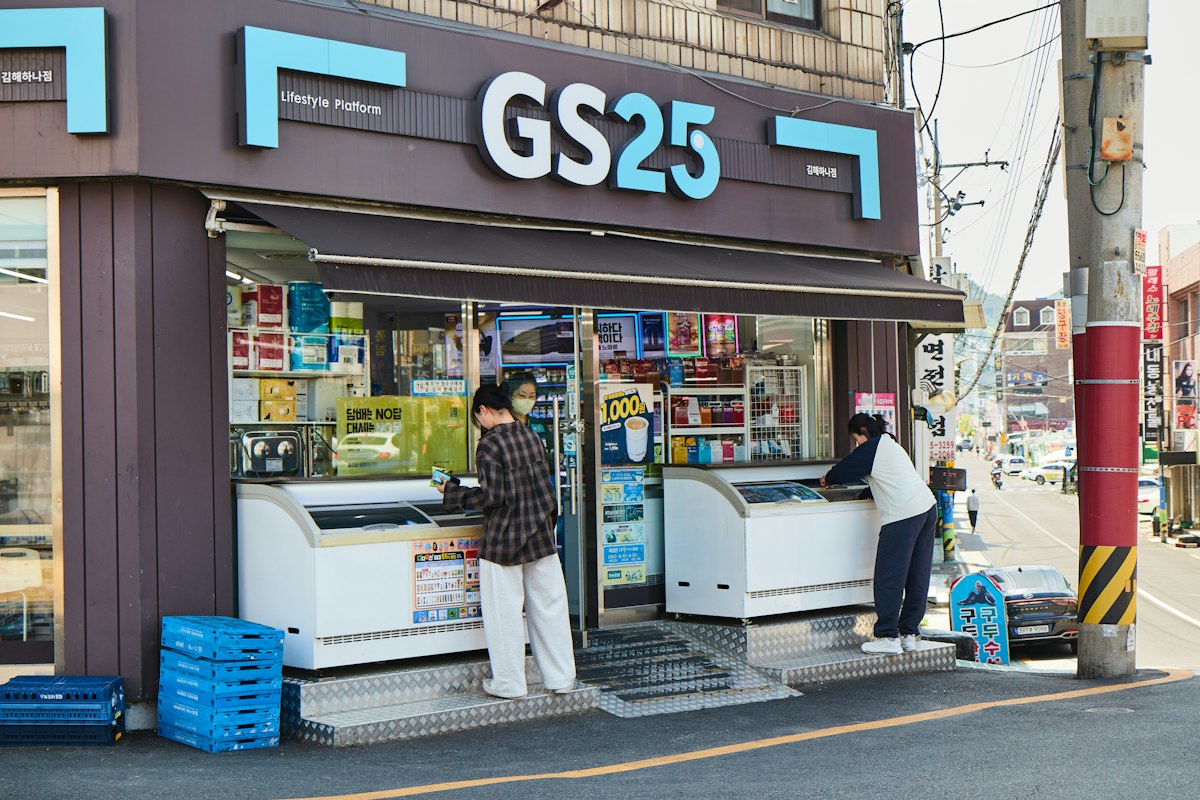

When I first moved to Seoul five years ago, I made a classic rookie mistake on my very first morning. Jetlagged and starving at 7:30 AM, I stepped out of my hotel in Myeongdong expecting to find cozy diners, sizzling bacon, or a neighborhood cafe serving eggs on toast. Instead, I was greeted by completely shuttered storefronts, silent alleyways, and total confusion. After frantically checking Naver Map and wandering aimlessly, I ended up at a bright GS25 convenience store, staring into the open freezers full of iced coffee cups and rows of plastic-wrapped triangle kimbap. I grabbed a banana milk and a tuna-mayo kimbap, sat on a plastic stool outside, and realized very quickly that breakfast in Korea operates on an entirely different set of rules.
If you are planning a trip to South Korea, expecting a traditional Western-style breakfast spot on every corner will lead to disappointment. Most independent cafes and sit-down restaurants do not open until 10:00 AM or even 11:00 AM. However, that does not mean you will go hungry. From grab-and-go street toast stalls to late-night 24-hour soup joints and hyper-efficient convenience stores, here is what tourists and locals actually eat for breakfast in Korea, along with exact prices and insider tips I have learned after half a decade of living in Seoul.
- Traditional Western breakfast is rare: Sitting down for eggs and bacon before 10:00 AM is almost impossible outside high-end hotel buffets.
- Top budget choices: Convenience stores (GS25, CU, Seven-Eleven) offer fresh meal kits, kimbap, and pouch iced coffee starting under ₩3,000 ($2.25 USD).
- Famous local breakfast: Korean street toast (Isaac Toast, Egg Drop) serves buttery toasted sandwiches with sweet and savory toppings starting around ₩4,000 ($3.00 USD).
- Hearty alternatives: 24-hour bunsik (snack shops) and soup spots serve hot rice cakes, spicy rabokki, kimbap, and comforting hangover soups early in the morning.
The Reality of Korean Breakfast Culture

In traditional Korean home culture, breakfast looks almost identical to lunch or dinner. A typical home-cooked morning meal consists of steamed white rice, a hot broth or stew like doenjang-jjigae (soybean paste stew), and several side dishes (banchan) like kimchi and grilled fish. However, busy modern Koreans and fast-paced commuters rarely cook a full spread on weekday mornings. Instead, they grab a quick bite on their way to the subway or skip breakfast altogether in favor of a mid-morning coffee.
Because of this lifestyle, morning restaurant demand is skewed toward quick, high-speed options. Unless you are staying at an international hotel chain with a heavy Western breakfast buffet, your morning meal options will fall into four main categories: convenience stores, street toast kiosks, bakery chains, or 24-hour local eateries. Understanding this dynamic will save you hours of wandering around hungry before the city fully wakes up.
1. The Convenience Store Feast (GS25, CU, Seven-Eleven)
Do not dismiss Korean convenience stores as a desperate last resort. They are a legitimate cultural institution and arguably the best breakfast spot for travelers on a tight schedule or budget. Open 24/7, stores like GS25, CU, and Seven-Eleven stock fresh food delivered every single night.
Triangle Kimbap and Rolled Kimbap
Triangle kimbap (samgak-kimbap) is a essential Korean breakfast food. Wrapped in crispy seaweed with a plastic pull-tab system that keeps the rice and algae separate until opened, these cost between ₩1,200 and ₩1,800 ($0.90 to $1.35 USD). My personal favorites are Tuna Mayo (참치마요) and Spicy Pork (제육볶음). If you want something meatier, grab a full roll of sliced kimbap for around ₩3,000 to ₩4,000 ($2.25 to $3.00 USD).
Pouch Drinks, Ice Cups, and Bakery Sandwich Packs
No Korean breakfast is complete without an iced pouch drink. You simply grab a plastic cup filled with ice from the open freezer, select a liquid pouch—such as hazelnut americano, sweet iced tea, or matcha—and pour it yourself. The whole drink costs roughly ₩2,000 to ₩2,800 ($1.50 to $2.10 USD). Pair this with a fresh strawberry-and-cream sandwich or a classic egg-salad sandwich on soft white bread, and you have a quick ₩5,000 ($3.75 USD) meal that hits the spot every time.
2. Korean Street Toast & Fluffy Egg Sandwiches
If you want something hot, freshly prepared, and savory-sweet, Korean toast is your best friend. This is hands-down the most popular breakfast choice for foreign tourists in Korea, and for good reason.
Isaac Toast: The Iconic Favorite
Isaac Toast is a beloved chain with hundreds of locations across the country. They grill white bread in melted butter on a flat-top grill, lay down an omelet patty studded with sweet corn, add cheese, ham, or shredded cabbage, and slather it in their secret sweet garlic-kiwi sauce. A standard Bacon Best Toast costs around ₩4,200 ($3.15 USD). Most locations open early, around 7:30 AM or 8:00 AM, making them ideal before heading out on day trips.
Egg Drop: The Gourmet Modern Toast
For an upgraded experience, seek out Egg Drop. Served in thick, soft brioche toast filled with fluffy scrambled eggs, garlic butter, and rich sauces, these sandwiches look like food art. They are slightly pricier at ₩5,500 to ₩7,500 ($4.10 to $5.60 USD), but the Mr. Egg or Garlic Bacon Cheese sandwich paired with a hot milk coffee is an incredible start to the day.
3. 24-Hour Bunsik Shops & Soup Restaurants
I will never forget my second month in Seoul when I mistakenly tapped the wrong button on a touch-screen kiosk at a 24-hour local eatery at 8:00 AM. Instead of a mild rice porridge, I accidentally ordered a giant steaming bowl of red-hot rabokki—ramen noodles and chew rice cakes simmered in a sweet and fiery red pepper sauce with boiled eggs. My mouth was on fire before my morning commute, but it taught me an important lesson: Koreans do not restrict specific foods to specific times of day.
If you prefer a hot, savory meal, look for 24-hour bunsik (snack food) franchises like Sariwon Kimbap, Kimbap Cheonguk (Kimbap Heaven), or local soup joints. Here is what you can order for a traditional Korean morning meal:
- Kongnamul-gukbap (Bean Sprout Soup with Rice): A light, clean, highly soothing broth served bubbling hot in a earthenware pot. It costs around ₩7,000 to ₩9,000 ($5.25 to $6.75 USD) and is famous as Korea’s ultimate hangover cure.
- Mandu-guk (Dumpling Soup): Steaming beef or pork dumplings served in a mild, comforting anchovy or beef broth with egg drops and seaweed. Expect to pay about ₩8,000 ($6.00 USD).
- Hot Rabokki or Shin Ramyun: For early risers who want a spicy kick start, getting a hot bowl of ramen or rabokki with egg for ₩4,500 to ₩6,500 ($3.40 to $4.90 USD) is surprisingly common.
4. Bakery Chains and Coffee Culture
If you prefer a light pastry and a specialty latte, major bakery chains like Paris Baguette and Tous Les Jours open as early as 7:00 AM. While they sound French, these are proudly Korean chains tailored to local tastes. You will find standard croissants and pain au chocolat, but you will also encounter uniquely Korean savory pastries—like sausage bread topped with mayonnaise and sweet corn, sweet potato buns, and garlic cream cheese bread.
A pastry and brewed coffee from Paris Baguette costs around ₩6,000 ($4.50 USD). However, keep in mind that artisanal specialty coffee shops (the trendy aesthetic cafes you see on social media) rarely open before 11:00 AM or midday.
Korean Breakfast Options Compared
| Breakfast Option | Typical Opening Hours | Average Cost (KRW / USD) | Best For |
|---|---|---|---|
| Convenience Store (GS25, CU) | 24 Hours / 7 Days | ₩2,500 – ₩5,500 ($1.80 – $4.10) | Fast grab-and-go, budget travelers, early commuters |
| Street Toast Kiosk (Isaac Toast) | 7:30 AM – 9:00 PM | ₩4,000 – ₩7,000 ($3.00 – $5.25) | Hot savory-sweet sandwiches, quick hearty morning fix |
| 24-Hour Bunsik / Soup Shop | 24 Hours / 7 Days | ₩6,000 – ₩10,000 ($4.50 – $7.50) | Hot traditional Korean soups, rice, dumplings, ramyun |
| Korean Bakery Chain (Paris Baguette) | 7:00 AM – 10:00 PM | ₩5,000 – ₩9,000 ($3.75 – $6.75) | Coffee and fresh bread/pastries in a sit-down setting |
Pro Tips for Tourists
- Learn how to unwrap triangle kimbap: Pull tab #1 down all the way around the bottom, then pull foil tab #2 and tab #3 from the corners gently. If you mess up, the crisp seaweed pulls off the rice!
- Download Naver Map or KakaoMap: Google Maps does not provide walking directions or accurate store hours in South Korea. Search “toast” or “kimbap” on Naver Map to find open morning spots near your hotel.
- Expect sweet notes in savory items: Korean breakfast bread, garlic toast, and even egg sandwiches often feature a layer of sugar or sweet fruit sauce. It is delicious once you get used to it, but can surprise first-timers!
- Look for subway station kiosks: Major Seoul Metro transit stations (like Hongdae, Gangnam, and Seoul Station) are lined with small breakfast vendors selling hot kimbap, fishcake skewers, and steamed buns to morning commuters between 7:00 AM and 9:00 AM.
Frequently Asked Questions
Do traditional Western breakfast cafes exist in Seoul?
Yes, but they are concentrated in trendy international districts like Itaewon, Hannam-dong, and Yeonnam-dong. Brunch spots in these areas serve classic avocado toast, eggs Benedict, and pancake stacks, but most do not open until 10:00 AM or 10:30 AM and are significantly more expensive (₩15,000 to ₩22,000 per plate).
Is convenience store food safe and fresh for breakfast in Korea?
Absolutely. Convenience store food in South Korea is subject to strict quality controls. Pre-packaged meals, sandwiches, and kimbap are delivered fresh twice daily from local food processing centers, and expired items are automatically blocked by the register scanners when scanned.
What is the best breakfast option if I am traveling with picky kids?
Bakery chains like Paris Baguette or street toast stands like Isaac Toast are usually hits with children. Plain croissant rolls, ham and cheese toast without sauce, egg sandwiches, and fresh banana milk (binggrae) are widely available and very kid-friendly.