
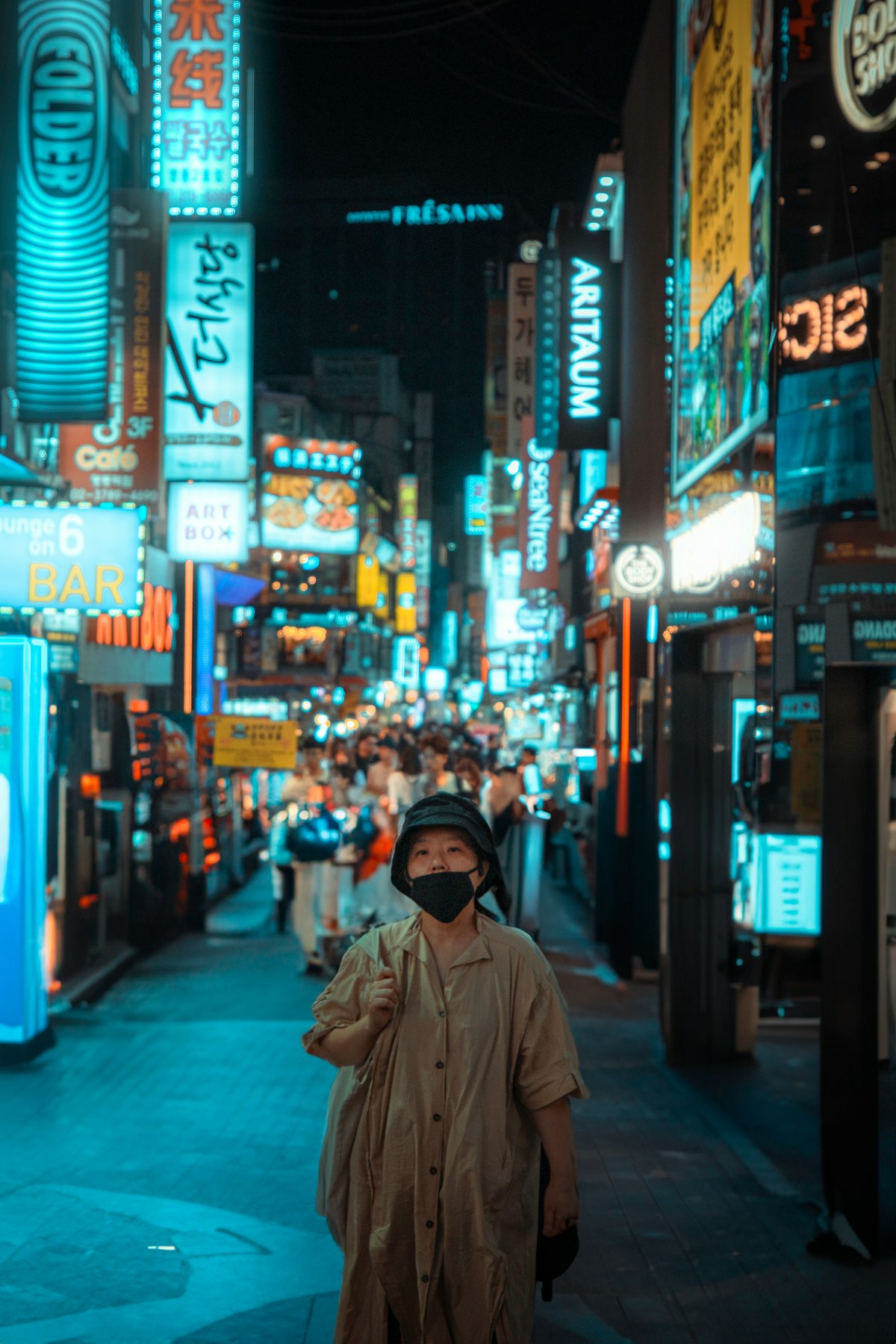

When I moved to Seoul five years ago, my autumns were initially spent surrounded by concrete, navigating neon-lit alleys in Myeongdong and grabbing late-night snacks at the local GS25. But during my first October in the city, a local friend pulled me out of my Seoul bubble for a day trip to the mountains. I remember standing at the entrance of Express Bus Terminal before dawn, nervously clutching an iced Americano while panicking over a red error light on my T-money subway gate—only to be rewarded three hours later by mountains draped in scarlet, electric orange, and deep golden maples. Korea’s autumn foliage season is brief, violent in its beauty, and unmissable.
If you are visiting Korea between mid-October and early November, staying strictly within Seoul is a huge mistake. The real magic happens out in the national parks. The two undisputed heavyweights for autumn foliage day trips from Seoul are Seoraksan National Park in the northeast and Naejangsan National Park in the southwest. Both are completely doable as day trips if you know how to navigate the transit system, but they offer wildly different vibes, terrain, and peak foliage dates. Here is my honest, tested, and unfiltered expat guide to picking the right foliage trip for your Korea itinerary.
- Seoraksan: Peak foliage is mid-to-late October. Dramatic granite peaks, rugged mountain hikes, and sweeping coastal breezes from nearby Sokcho. Best for active hikers and dramatic landscapes.
- Naejangsan: Peak foliage is late October to early November. Legendary for its intense crimson maple trees, flat walking paths, iconic pavilions, and fiery leaf tunnels. Best for vivid colors and casual strolls.
- Transit Verdict: Naejangsan is faster via KTX bullet train (1.5 hours to Jeongeup), while Seoraksan requires an express bus (2.5 hours to Sokcho) plus a local transfer.
- My Take: If you want sheer, jaw-dropping color density without steep climbing, go to Naejangsan. If you want majestic jagged peaks and alpine air, choose Seoraksan.
1. Seoraksan National Park: Dramatic Peaks & Rugged Alpine Foliage

Seoraksan is Korea’s third-highest peak and usually the first major mountain range to turn red and gold, peaking around mid-to-late October. Located in Gangwon-do near the coastal city of Sokcho, Seoraksan combines sharp granite crags with dense birch and maple forests. The scale here feels immense compared to the gentler hills around Seoul.
Top Foliage Highlights in Seoraksan
If you are short on time, take the Gwongeumseong Cable Car (15,000 KRW / ~$11 USD round trip). It lifts you up to a ruined fortress peak where you get a 360-degree vista of turning leaves framing jagged granite towers. However, line up for tickets early—by 10:00 AM on a weekend, cable car wait times can easily hit two hours. For hikers, the walk up to Biseondae Rock is non-negotiable. It follows a crystal-clear mountain stream framed by golden trees and requires zero intense scrambling, making it ideal for standard sneakers.
Getting There & Logistics
Head to Seoul Express Bus Terminal (accessible via Express Bus Terminal Station on Subway Lines 3, 7, and 9) and catch an express bus to Sokcho (approx. 18,000 to 23,000 KRW / ~$13–$17 USD each way). The ride takes roughly 2 hours and 20 minutes without traffic. Once at Sokcho Intercity or Express Bus Terminal, hop on local bus No. 7 or 7-1 directly to the national park entrance (approx. 1,500 KRW / ~$1.10 USD using your T-money card). Total travel time from central Seoul is around 3 to 3.5 hours each way.
2. Naejangsan National Park: The Crimson Canopy of Korea
If Seoraksan is rugged and dramatic, Naejangsan is pure, focused color. Located in Jeollabuk-do, this park peaks slightly later than Seoraksan—typically from October 28 to November 10. Naejangsan is famous across Korea for its unique baby maple leaves (ae-gi danpung), which are smaller, denser, and turn an extraordinarily deep, fiery blood-red.
Top Foliage Highlights in Naejangsan
The moment you step through the ticket gate, you enter the famous Maple Tunnel—a 1.2-kilometer paved pathway completely arched over by hundreds of vibrant red maple trees. It feels almost unreal, like walking under a roof of red fire. Further along sits Uhwa Pavilion, a traditional blue-roofed pavilion resting in the middle of a mirrored pond framed by golden gingko and red maples. It is easily one of the most photographed autumn scenes in East Asia.
My favorite memory here took place at a tiny, family-run tent restaurant right outside the park gates. After three hours of exploring, I sat down for a bowl of sizzling sanchae bibimbap (wild mountain herb rice) and fresh haemul pajeon (seafood green onion pancake) for about 14,000 KRW (~$10 USD). Paired with a bowl of ice-cold local makgeolli, it remains one of the best rustic meals I have ever had in Korea.
Getting There & Logistics
Naejangsan is surprisingly easy to reach via public transit. Take a high-speed KTX train from Yongsan Station in Seoul to Jeongeup Station. The bullet train takes just 1 hour and 30 minutes and costs approximately 39,500 KRW (~$29 USD) each way. From Jeongeup Station, exit and catch local bus No. 171 directly to the park terminal (30 minutes, ~1,500 KRW) or share a 15-minute taxi with fellow travelers for around 15,000 KRW (~$11 USD).
Head-to-Head Comparison: Naejangsan vs. Seoraksan
Still undecided on where to direct your energy? Here is a quick side-by-side snapshot to help you decide based on your physical comfort, travel budget, and timing.
| Feature | Seoraksan National Park | Naejangsan National Park |
|---|---|---|
| Peak Foliage Window | Mid to Late October | Late October to Early November |
| Primary Landscape Vibe | Jagged mountains, granite peaks, rocky riverbeds | Dense crimson maple tunnels, reflective ponds, historic temples |
| Walking / Hiking Difficulty | Moderate to Strenuous (Incline & uneven terrain) | Easy to Moderate (Mostly flat, paved walking trails) |
| Transit Time from Seoul | ~3 to 3.5 Hours (Express Bus + Local Bus) | ~2 to 2.5 Hours (KTX Train + Short Local Bus) |
| Round-Trip Transit Cost | ~39,000 KRW ($28 USD) | ~82,000 KRW ($60 USD) |
Pro Tips for Tourists
- Book KTX Tickets Exactly 30 Days Prior: Autumn leaf season is prime travel time for Koreans. KTX tickets to Jeongeup sell out within hours of opening on the official Korail website/app (released 30 days in advance at midnight KST).
- Travel on a Weekday: I cannot stress this enough. Weekend highway traffic heading out of Seoul during late October can double your bus time. A Tuesday trip will feel peaceful; a Saturday trip will involve massive crowds and traffic jams.
- Use KakaoMap, Not Google Maps: Google Maps does not provide walking routes or real-time local bus tracking in South Korea. Download KakaoMap or Naver Map for accurate turn-by-turn navigation and live transit arrivals.
- Dress in Layers: Mornings at mountain bases drop to around 4°C–7°C (39°F–44°F), but once the sun peaks and you start walking, you will get warm fast. Pack a lightweight down jacket over a breathable fleece.
- Load Extra Funds on Your T-Money Card: Ensure you have at least 20,000 KRW cash loaded onto your T-money card or in your wallet before leaving Seoul, as smaller local buses near mountain parks do not accept foreign credit cards.
Frequently Asked Questions
Can I visit both Naejangsan and Seoraksan in a single day?
No, attempting both in one day is impossible. Seoraksan is located in northeastern Gangwon-do, while Naejangsan is located in southwestern Jeollabuk-do. They are situated hundreds of kilometers apart in opposite directions from Seoul. Pick one for a single day trip, or dedicate three to four days if you wish to tour both across a longer journey.
What should I do if KTX or express bus tickets sell out?
If tickets sell out on standard booking platforms, look into guided day-tour group buses departing from Hongdae or Myeongdong (available via platforms like Klook or KKday). While slightly more expensive, these tour buses guarantee your seat and bypass public transit transfers, taking you directly to park gates.
Are these autumn hiking trips suitable for elderly travelers or children?
Naejangsan is extraordinarily beginner-friendly and accessible for elderly travelers and children, featuring flat, paved walkways and shuttle buses within the park grounds. Seoraksan’s lower valleys and cable car area are manageable, but most extended trails require navigating rocky incline paths and uneven stone stairs.