
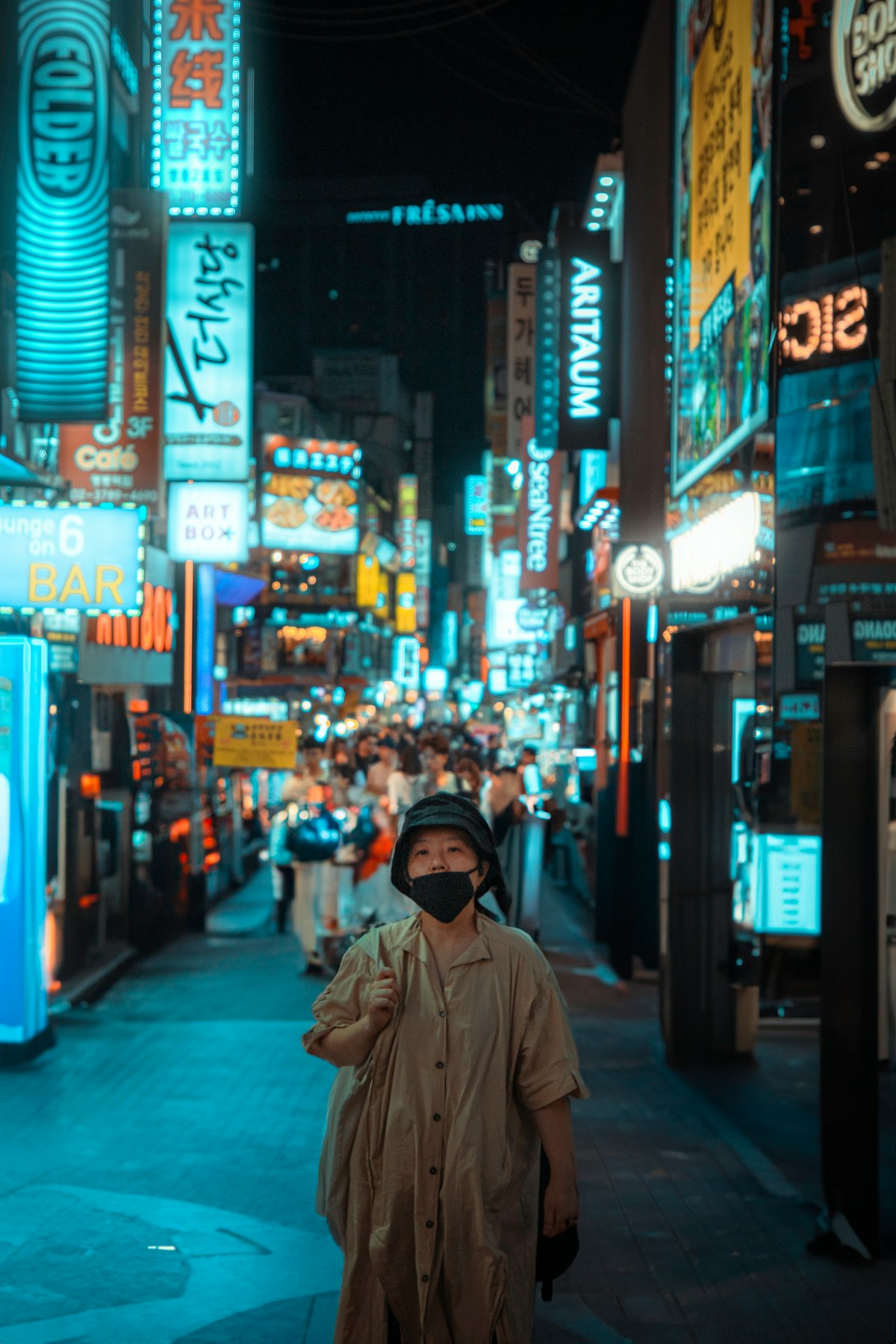

After living in Seoul for five years, I have hosted dozens of visiting friends and family members who all had one absolute non-negotiable on their Korea itinerary: visiting the Demilitarized Zone. When I first moved here, I assumed heading to the border between North and South Korea would be a quick online reservation you could throw together the night before. I was dead wrong. My very first attempt in 2021 ended in panic at 6:00 AM outside Myeongdong Station after I tapped my T-money card on the wrong side of the subway turnstile, got trapped behind the barrier, and nearly missed our tour bus entirely.
Visiting the DMZ in 2026 is smoother than it used to be, but it still requires precise planning, strict passport registration, and an understanding of military operational shifts. Whether you want to peer across the Military Demarcation Line into North Korea, descend into underground invasion tunnels, or secure a elusive spot for a Joint Security Area (JSA) Panmunjom visit, this guide breaks down everything I have learned from taking six separate DMZ trips over the past half-decade.
- Book Early: Standard DMZ tours should be booked at least 1 to 2 weeks ahead; JSA tours (when operational) require 1 to 2 months advance booking due to security vetting.
- Mandatory Item: You must bring your physical passport on tour day—digital photos or driver’s licenses will result in denied entry at military checkpoints.
- Price Expectation: Half-day DMZ tunnel tours range from 70,000 KRW to 95,000 KRW (~$52–$70 USD) per person. Full-day combined tours run 110,000 KRW to 160,000 KRW (~$82–$120 USD).
- Dress Code Strictly Enforced: Avoid ripped jeans, sandals, military fatigue patterns, sleeveless shirts, and brand logos promoting explicit messages.
The DMZ Reality Check for 2026: JSA vs. Standard DMZ Tours

The most common mistake international tourists make is confusing a Standard DMZ Half-Day Tour with a JSA (Panmunjom) Tour. They are two entirely distinct experiences governed by different security protocols. Standard DMZ tours take you to Imjingak Peace Park, the Third Infiltration Tunnel, Dora Observatory, and Tongil Chon (Unification Village). These run daily (except Mondays and military holiday closures) and are managed by licensed civilian travel agencies working alongside the Republic of Korea Army.
The JSA (Joint Security Area) is the famous blue conference room site where North and South Korean soldiers stand face-to-face. Access to the JSA is managed directly by the United Nations Command (UNC). Following border security incidents and geopolitical fluctuations over recent years, JSA tours operate on unpredictable, highly restricted schedules. In 2026, JSA access is granted in small windows, mostly to diplomatic groups and specialized tour operators with strict background submission deadlines. If a company claims guaranteed daily JSA departures without requiring your passport details weeks in advance, be skeptical—they are likely selling a standard DMZ tunnel tour.
Comparing Top 2026 DMZ Tour Options
To help you decide which route suits your timeline and budget, I have put together a comparison table based on current market pricing and typical itineraries departing from Seoul hubs like Myeongdong and Hongdae.
| Tour Package | Key Highlights | Approx. Price (KRW / USD) | Best For |
|---|---|---|---|
| Essential DMZ Half-Day | Third Tunnel, Dora Observatory, Imjingak Park, Mangbaedan Altar | 70,000–85,000 KRW (~$52–$64 USD) |
First-timers with limited time who want the core historical sites. |
| DMZ + Red Suspension Bridge | Standard DMZ stops plus Mt. Gamaksan or Lake Majang suspension bridge | 95,000–120,000 KRW (~$70–$90 USD) |
Travelers looking for scenic nature scenery combined with history. |
| Full-Day DMZ + North Korean Defector Q&A | DMZ tour plus authentic lunch and sit-down session with a North Korean defector | 130,000–165,000 KRW (~$98–$124 USD) |
History enthusiasts seeking deep personal perspective on life in North Korea. |
| JSA Special UNC Clearance Tour | Freedom House, T-Buildings, Military Demarcation Line view (subject to UNC security clearance) | 180,000–230,000 KRW (~$135–$172 USD) |
Geopolitics buffs willing to submit security documents 30+ days early. |
What to Expect Inside the Third Infiltration Tunnel
Discovered in 1978, the Third Infiltration Tunnel was dug by North Korean forces and capable of moving 30,000 soldiers per hour into South Korea. Today, you can walk down a steep, rubberized ramp that plunges 73 meters underground. Modern tours include a hard hat—and you will need it. I am 182 cm tall, and I bumped my helmet on the low-hanging granite ceiling at least five times while walking the damp, dimly lit corridor toward the concrete barricade separating North from South.
If you suffer from severe claustrophobia or have knee joint issues, take the monorail option if available on your booking, or consider staying above ground at the exhibition hall. The steep walk back up the foot ramp is a serious cardio workout that leaves most tourists gasping for air by the top.
Spotting Propaganda Villages from Dora Observatory
Dora Observatory offers high-powered binoculars perched on the crest of Mount Dora. On clear days, you can look directly across the 4-kilometer-wide buffer zone into Kijong-dong (North Korea’s artificial “Propaganda Village”), complete with its 160-meter-tall flagpole flying the North Korean flag, Kaesong Industrial Complex buildings, and distant local farmers working in collective fields. It is a surreal sight that brings the reality of the Korean peninsula’s division into stark relief.
Step-by-Step Guide: How to Reserve Your Spot for 2026
Booking a DMZ tour as a foreign traveler requires a bit more structure than standard Seoul sightseeing. Follow this foolproof routine to ensure your reservation goes off without a hitch:
1. Pick an Established Tour Platform or Local Specialist: I personally recommend booking through trusted platforms like Klook, GetYourGuide, or direct long-standing agencies like Cosmojin or VIP Travel. These companies hold designated military permit slots and offer instant confirmation along with English-fluent guides who handle all checkpoint communications.
2. Match Names Exactly to Passport Details: During checkout, enter your full legal name, passport number, and nationality precisely as displayed on your passport. Military border guards audit passenger manifests against physical passports at the ROK Infantry checkpoint near the Unification Bridge. A single typo can result in you being left behind at the gate.
3. Select the Right Pickup Point: Most tour buses pick up between 6:30 AM and 7:30 AM from major subway hubs like Hongik University Station (Hongdae) exit 8 or Myeongdong Station exit 1. I always tell my visiting friends to stay near Myeongdong or City Hall the night before so they can stroll to the pickup spot without worrying about early-morning subway delays.
I learned this lesson the hard way after my third DMZ excursion. My cousin and I came back into Seoul completely exhausted after a full-day tour, stumbled out of the tour bus into a quiet neighborhood corner near Myeongdong, and headed straight into a glowing 24-hour GS25 store right under a neon noraebang sign. We sat on plastic convenience store stools eating hot cup ramen and spicy gimbap while reviewing our photos from Dora Observatory. Having an easy, centrally located home base makes those long 6:00 AM DMZ mornings infinitely more manageable.
Pro Tips for Tourists
- Bring Your Physical Passport: A digital copy on your smartphone or a photo on your camera will not be accepted by military personnel. No passport means no entry beyond Imjingak.
- Adhere to the Strict Dress Code: While standard DMZ tours are slightly more relaxed than JSA visits, smart-casual dress is essential. Avoid ripped denim, sleeveless tops, flip-flops or open-toed sandals, athletic gym wear, and military camouflage gear.
- Obey Photo Restriction Zones: Military checkpoints and specific angles at Dora Observatory strictly prohibit photography. Look for red warning lines on the floor or signs indicating “No Photo Zone.” Guides will remind you, but taking forbidden photos can result in military officials seizing memory cards or delaying the entire tour bus.
- Pack Water and Light Snacks: While there are convenience stores and restaurants at Imjingak Peace Park, options inside the restricted military grid are limited. Bring a bottle of water and small snacks in your day pack.
- Plan Around Monday Closures: The DMZ site facilities and military administration offices are closed every Monday. Always schedule your DMZ day trip for Tuesday through Sunday.
- Prepare for Last-Minute Military Cancellations: The DMZ remains an active military perimeter. Drills, heightened political tensions, or unexpected security sweeps can lead to tour cancellations with short notice. Reputable booking sites will issue a full refund or rebook you automatically if military operations close the zone.
Frequently Asked Questions
Can I visit the DMZ on my own without joining a tour group?
No, independent foreign tourists cannot enter the restricted Civilian Control Zone (CCZ) or the DMZ military checkpoints on their own. You can travel independently by public train or bus to Imjingak Peace Park at the edge of the zone, but to cross the Unification Bridge and access the Third Infiltration Tunnel, Dora Observatory, or JSA, you must be aboard a military-cleared tour bus with an authorized guide.
Is taking a DMZ tour safe for families and solo travelers?
Yes, DMZ tours are exceptionally safe and highly organized. Hundreds of thousands of international tourists visit every year. ROK Army soldiers and United Nations Command personnel strictly supervise the border area. In the event of elevated border tensions, military authorities immediately pause civilian access, making safety concerns extremely low for visitors on guided tours.
How far in advance should I book my DMZ tour for a 2026 trip?
For standard DMZ tunnel tours, I recommend booking 1 to 3 weeks ahead, especially during peak travel seasons in spring (April to May) and autumn (September to November). If you are attempting to book a JSA (Panmunjom) tour option, you should submit your booking and security details 30 to 60 days in advance due to strict United Nations Command background clearance windows.